Converting waste tyres to oil has become an effective method for solving the issues that waste tyres cause. This is especially true when it comes to the energy crisis that we are currently facing.
The tyre-to-oil process involves pyrolysis, and this technique requires a very high temperature. Before using waste tyre to oil plant to convert waste tyres into oil, here are a few considerations that you need to be aware of:
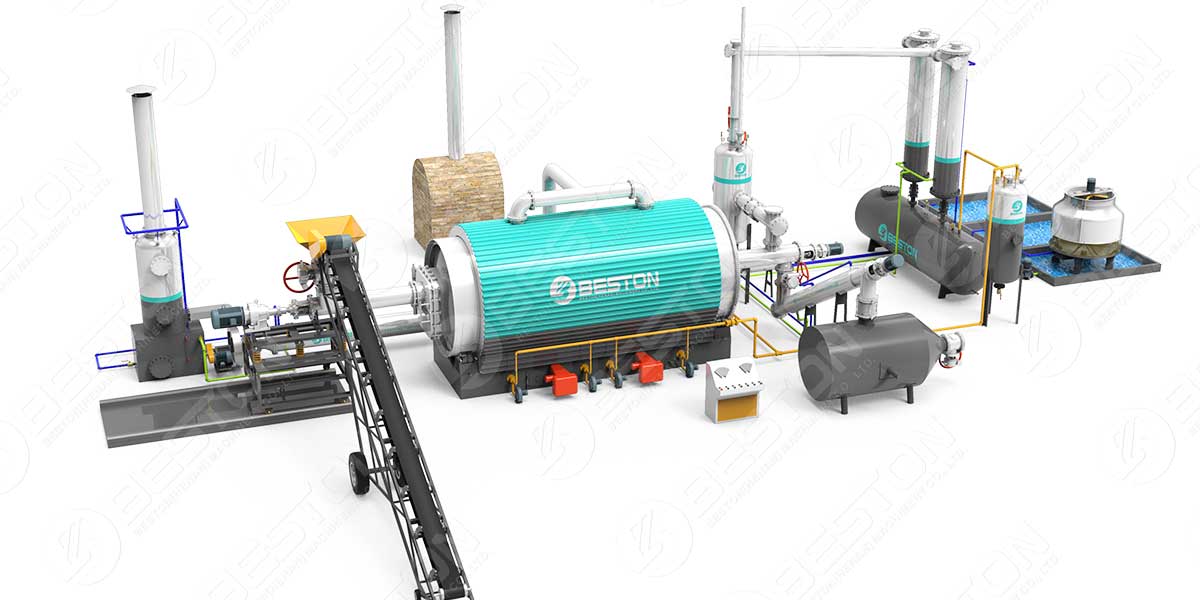
Tire to Fuel Plant
– The first thing that is required is to extract the steel wire out of the tyres
– The second consideration is to ensure the waste tyre sizes are able to reach a specific standard. For continuous and semi-continuous waste tyre-to-oil equipment, the size needs to be around 50mm. For the batch-operating pyrolysis plants, the size has to be below 1,200mm.
From here, the recycling process of turning tyres into oil can begin:
– The waste tyres are placed in a reactor
– The reactor is heated with the use of fuels such as charcoal, coal, wood, or fuel gas. Once the temperature has reached about 120 degrees, the burning process produces oil gas. More information on pyrolysis plant here.
– After the oil-production process completes, the reactor will be cooled down. During this step of the process carbon black is produced
– There is a also a dedusting system that is used to process any smoke and to ensure that the waste tyre pyrolysis plant does not produce air pollution.
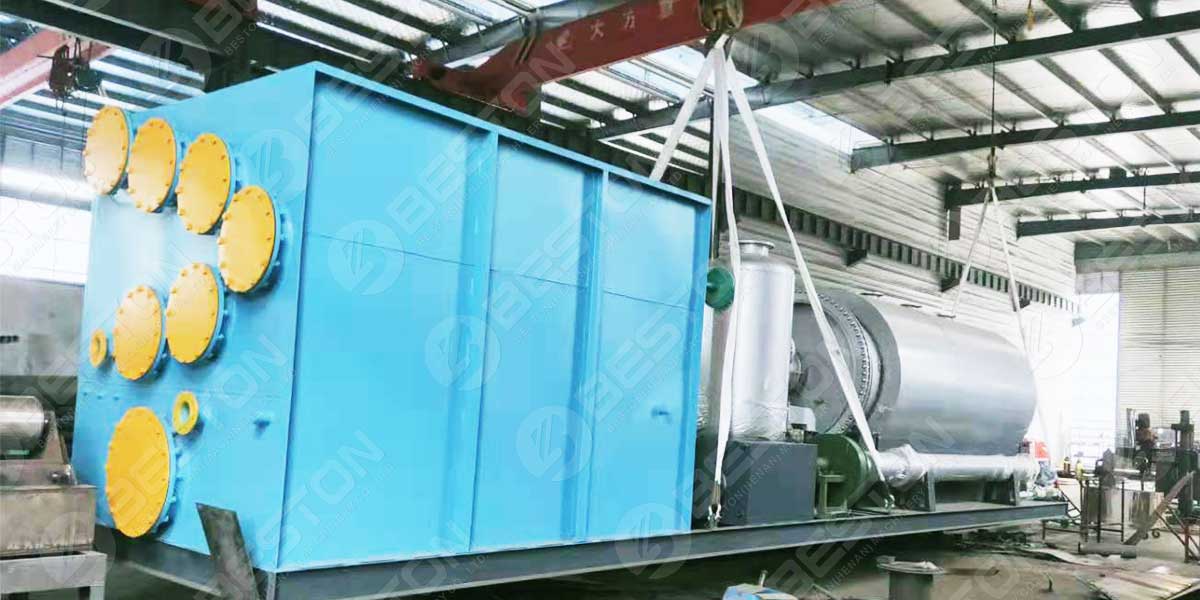
BLJ-3 To the Philippines
Once the tyre-to-oil process completes, you are left with around 45% fuel oil, 8% combustible gas, 12% steel wire, and 35% carbon black. Each one of these end-products are useful and can be used for various applications:
– Fuel oil is used as one of the industrial fuel materials or it is refined further into diesel
– The carbon black is also used as a type of fuel or it can be processed further
– The steel wire is either recycled or resold to steel plants for producing new products
– The combustible gas is also recycled and used to provide fuel to the reactor, which helps to save energy throughout the working process
Good Reasons To Invest In A Tyre-To-Oil Plant
If you are currently operating a business that has access to large amounts of waste rubber tyres, you could turn this waste into a second business to generate even more profits. Converting tyres into oil helps to alleviate the problem of waste tyres taking up so much space in landfills and breaking down this rubber results in various by-products that can be sold or used. At the end of the process, you will be left with bio-fuel that can be used in diesel engines, offering a valuable source of recycled energy. See the tyre to fuel recycling plant here.