Urban centers generate vast volumes of organic refuse daily. Food scraps, yard trimmings, paper sludge, and biodegradable packaging accumulate at rates that strain municipal waste systems. Traditional disposal methods, such as landfilling and open incineration, increasingly reveal inefficiencies and environmental liabilities. A structured shift toward thermochemical valorization provides a more resilient pathway.
Urban Organic Waste as a Resource Stream
Organic waste in cities is not inert material. It is chemically active biomass with latent carbon potential. When unmanaged, it decomposes anaerobically, releasing methane and contributing to greenhouse gas accumulation. When processed correctly, however, it becomes a feedstock for carbon-rich material production.
Short lifecycle waste can be redirected. Long degradation cycles can be eliminated entirely.
The transition hinges on appropriate conversion infrastructure.
Role of Charcoal-Based Conversion Systems
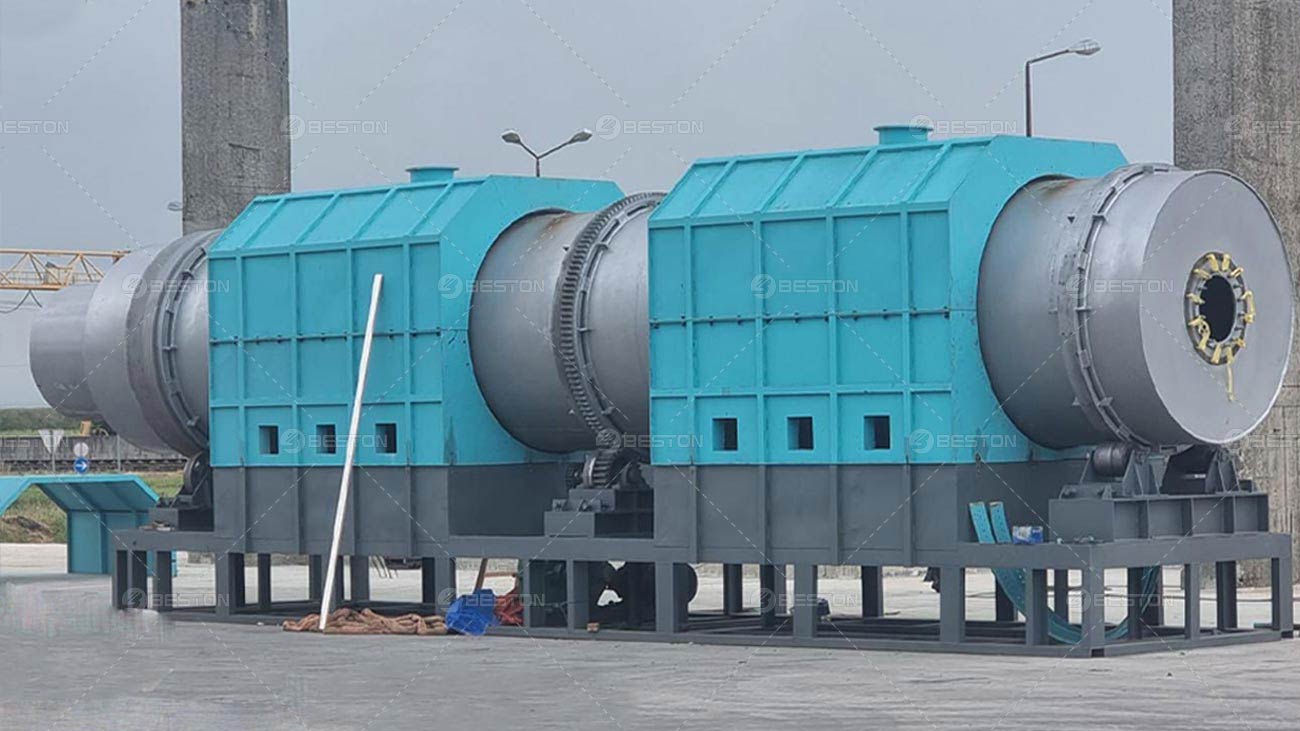
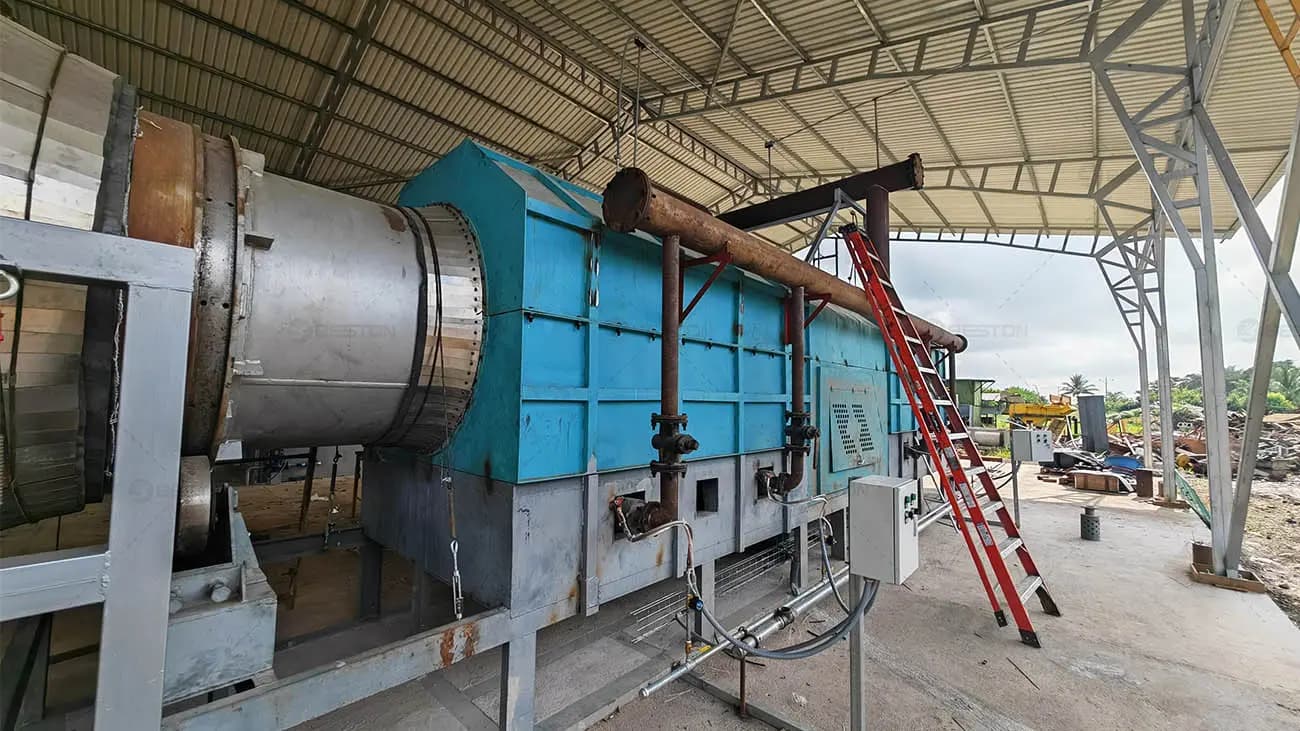
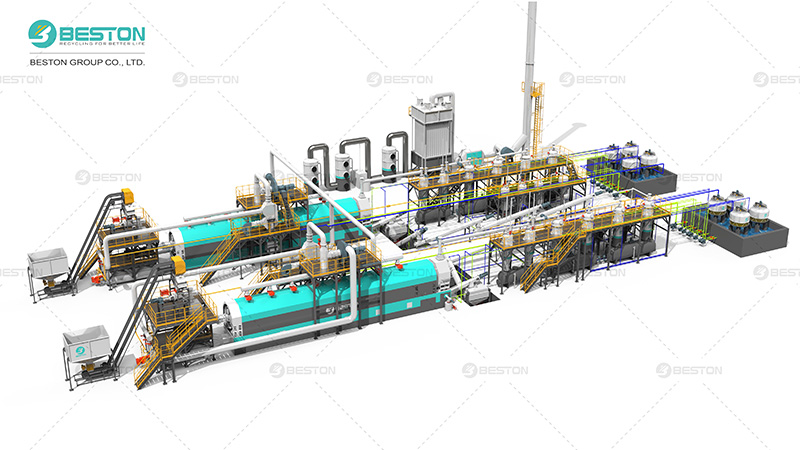
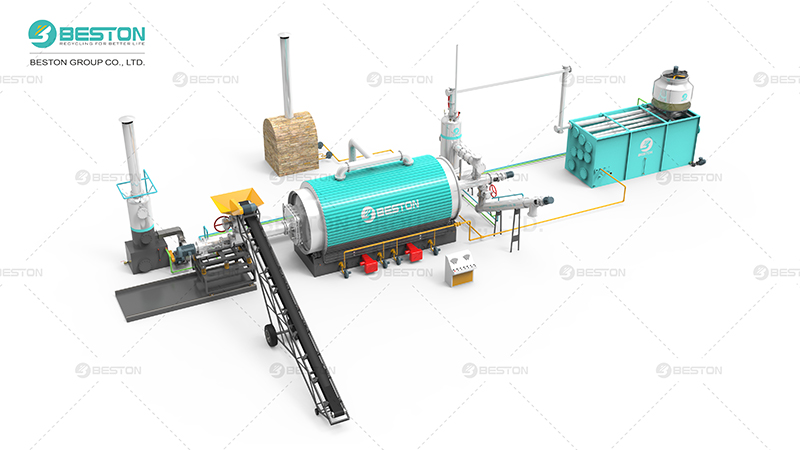
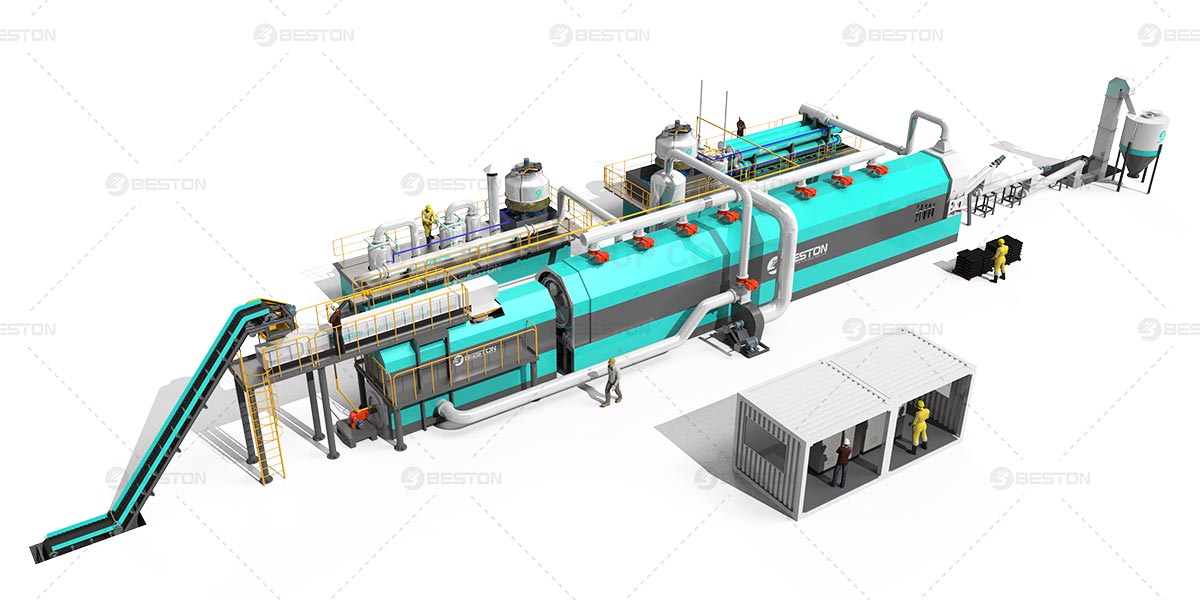
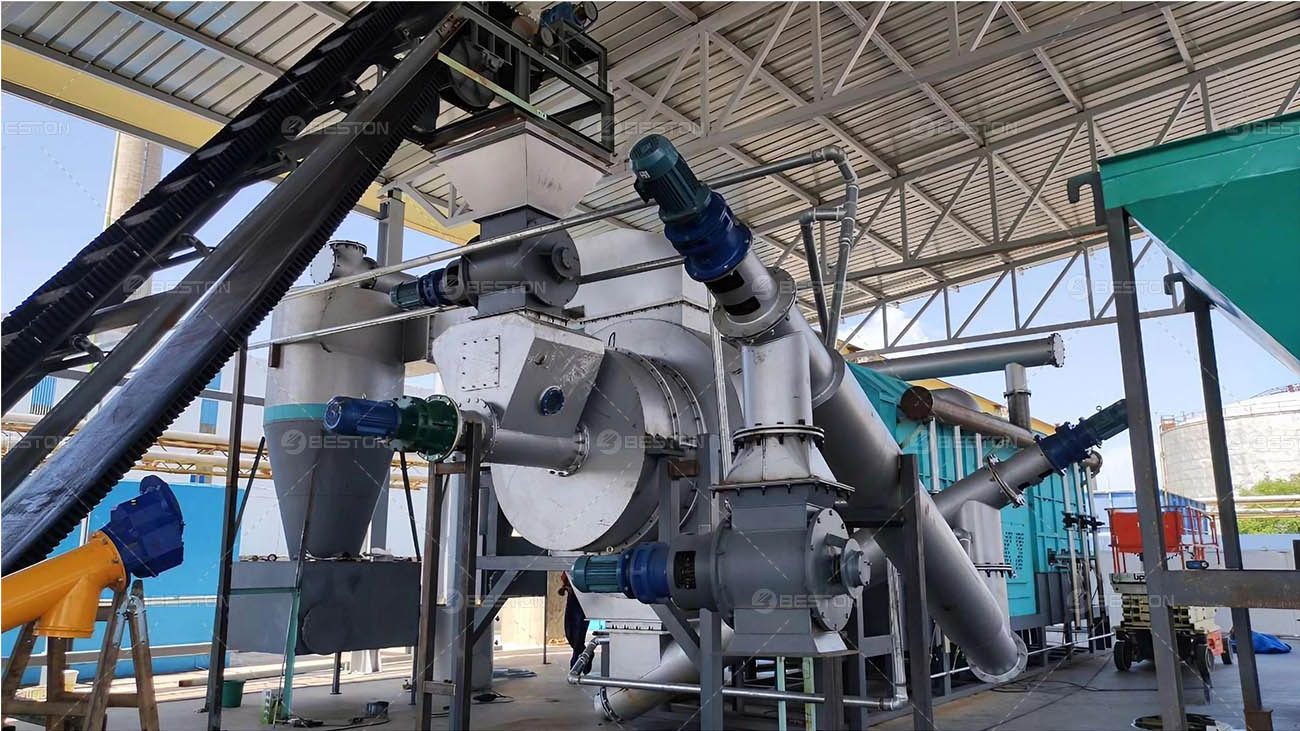
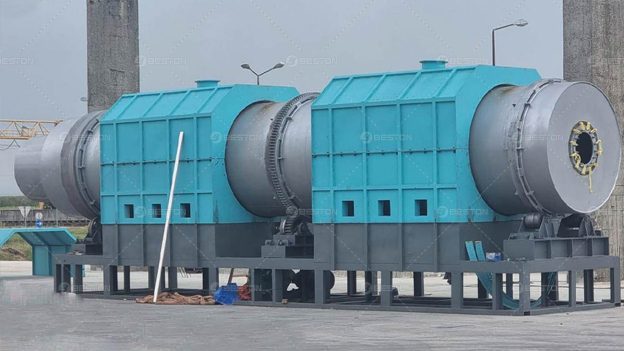
Modern waste-to-carbon systems rely on controlled oxygen-limited environments. At the center of this approach is the charcoal making equipment, designed to thermochemically decompose organic matter into stable carbon structures. Unlike combustion, this process retains solid carbon fractions while minimizing atmospheric emissions.
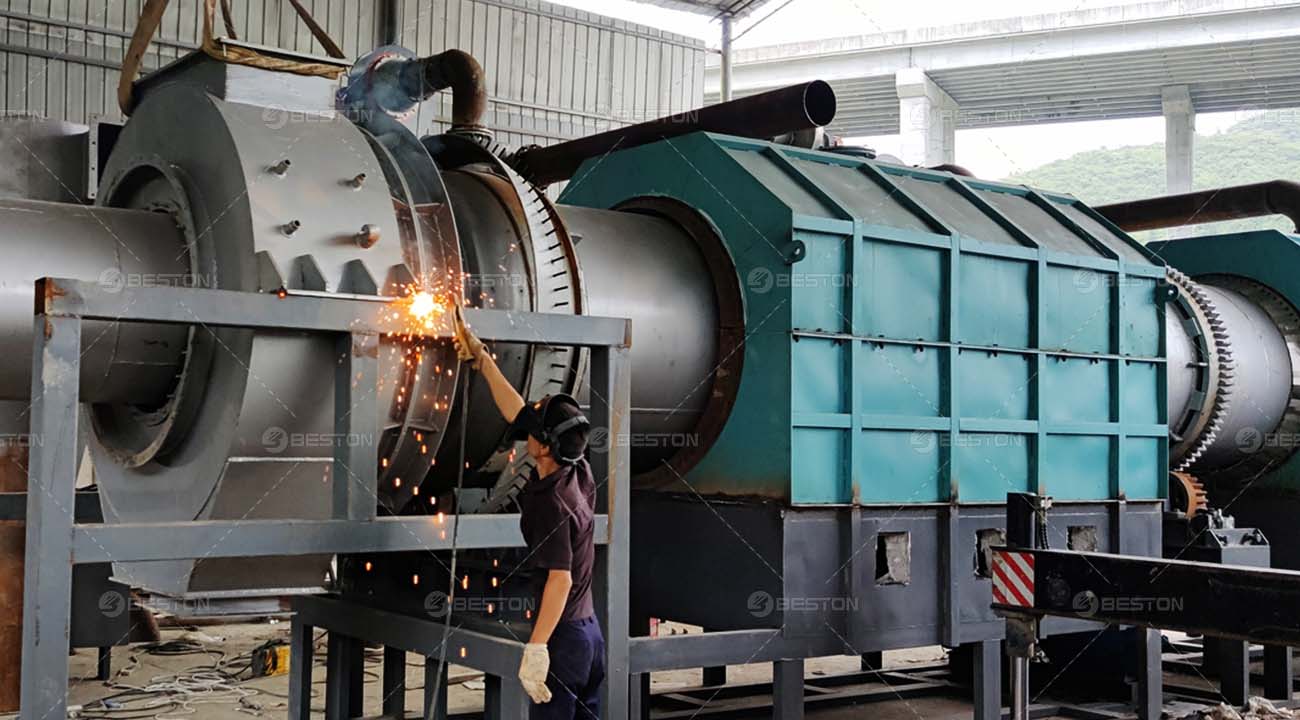
A well-engineered wood coal making machine can process heterogeneous urban biomass, including chipped wood pallets, pruning residues, and segregated organic fractions from municipal solid waste streams. The system standardizes output while maintaining operational continuity under variable feedstock conditions.
Thermal stability is critical. Pressure consistency matters. Feedstock preconditioning improves yield but is not always mandatory.
Biomass Pyrolysis as Core Conversion Mechanism
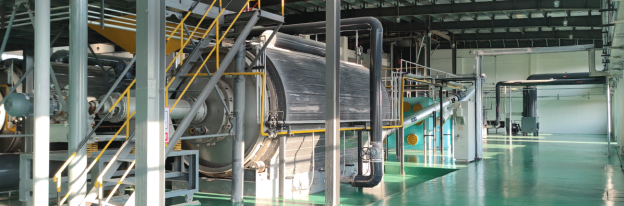
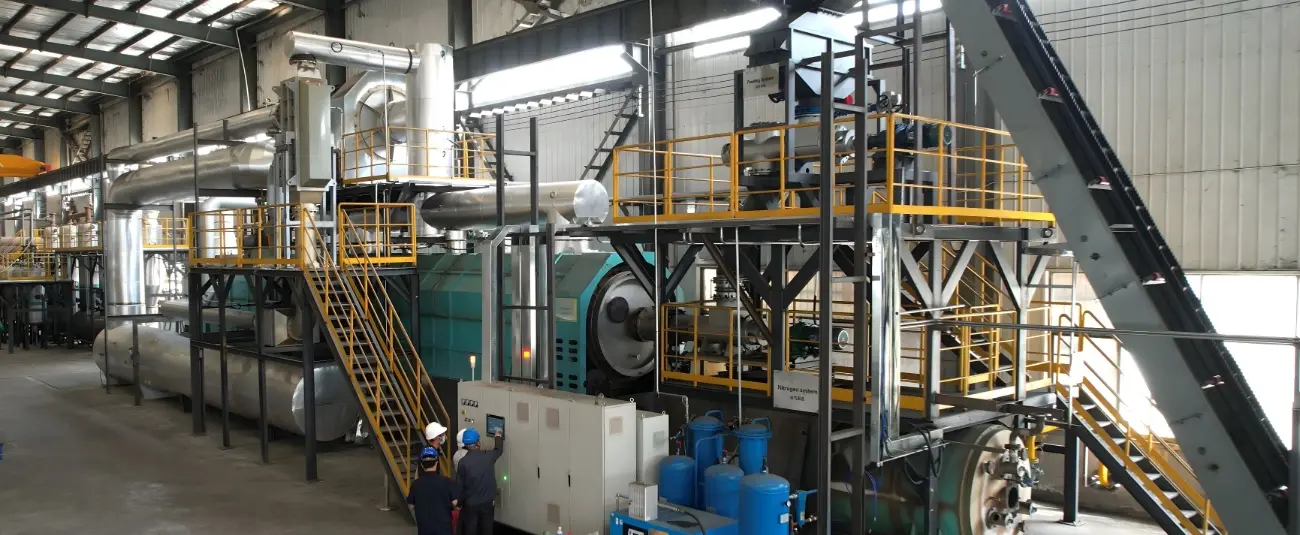
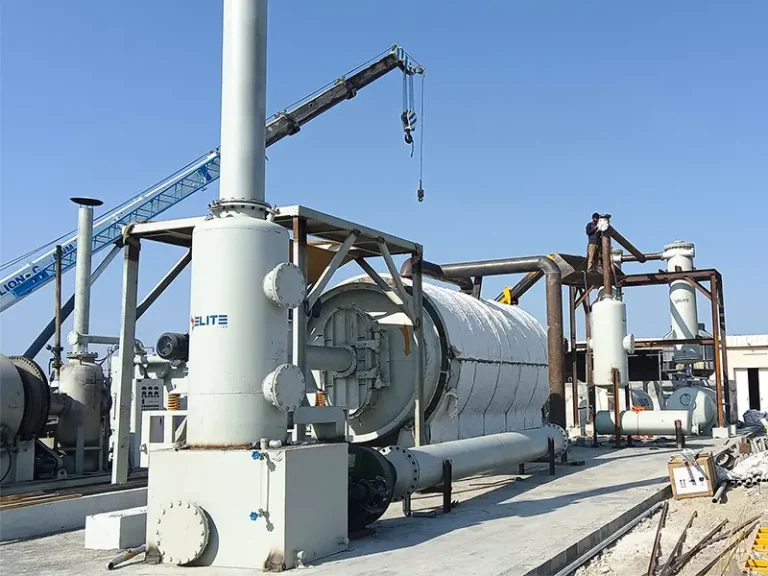
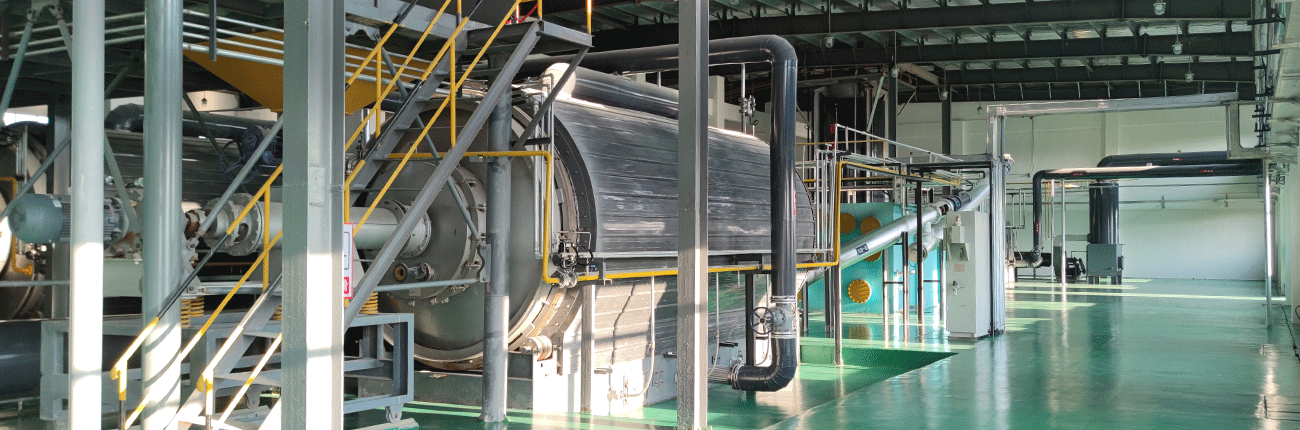
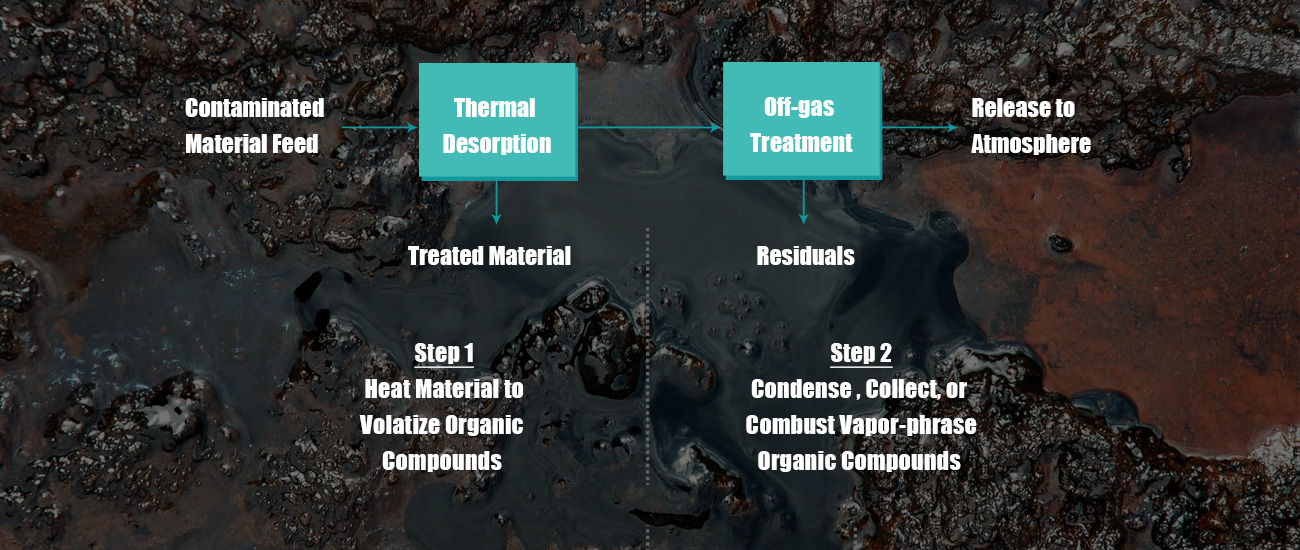
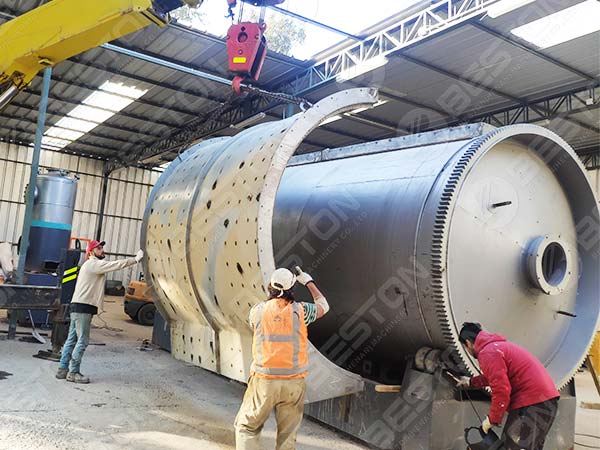
The biomass pyrolysis reactor is the functional heart of urban-scale organic waste reduction systems. Within this reactor, biomass undergoes staged thermal decomposition at controlled temperatures, typically in oxygen-deficient environments.
Volatile compounds are separated. Fixed carbon structures remain.
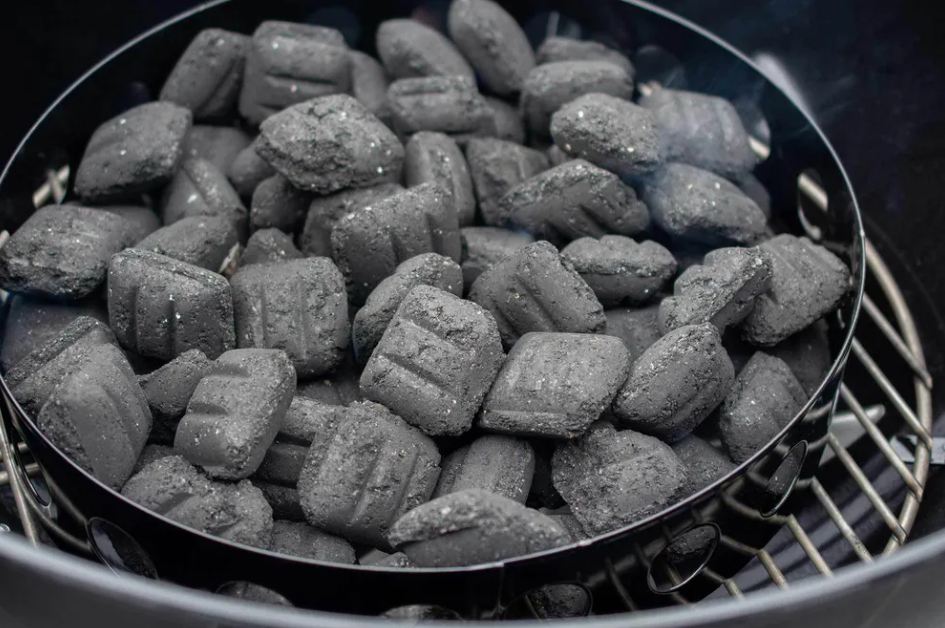
The process produces three primary outputs: syngas, condensable bio-oils, and solid char. The char, when stabilized, becomes biochar with significant applications in soil remediation, carbon sequestration, and filtration systems.
Reactor design influences everything. Heat transfer efficiency, residence time distribution, and condensation recovery systems determine overall process performance.
Integration into Urban Waste Infrastructure
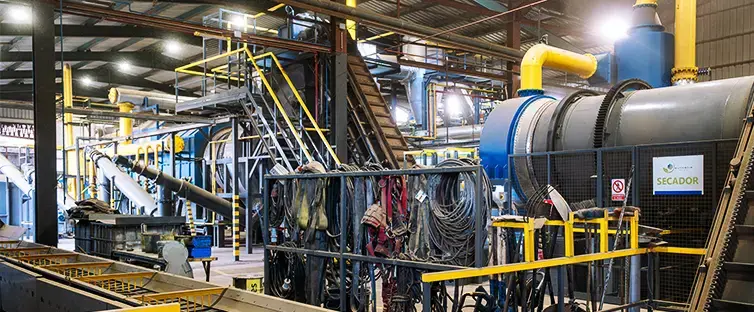
Municipal waste systems require modularity. Centralized treatment plants are often constrained by logistics and land availability. Distributed deployment of charcoal conversion units offers a scalable alternative.
Compact installations of charcoal making equipment can be embedded near transfer stations or recycling hubs. This reduces transportation burden and limits secondary emissions. Urban organic waste can thus be processed closer to its generation point.
In high-density zones, decentralized systems reduce landfill dependency. In peri-urban zones, they support agricultural biochar distribution networks.
Economic and Environmental Synergy
The introduction of a wood coal making machine into urban waste systems introduces dual-value recovery. Material value is extracted through biochar production. Energy value is recovered through syngas utilization for internal heating or auxiliary power.
This closed-loop structure reduces external energy dependency.
Operationally, municipalities can offset waste management costs. Environmentally, methane emissions from landfill diversion are significantly reduced. Carbon stabilization in biochar form adds long-term sequestration benefits.
Market Availability and Deployment Considerations
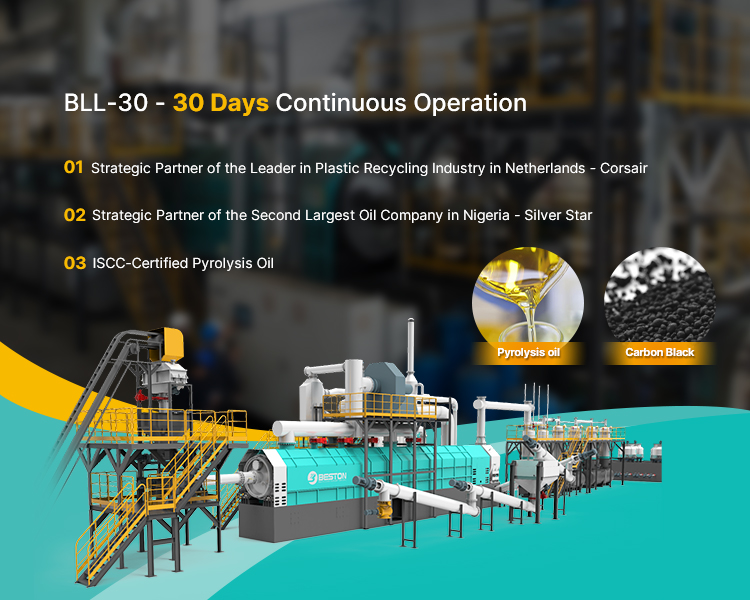
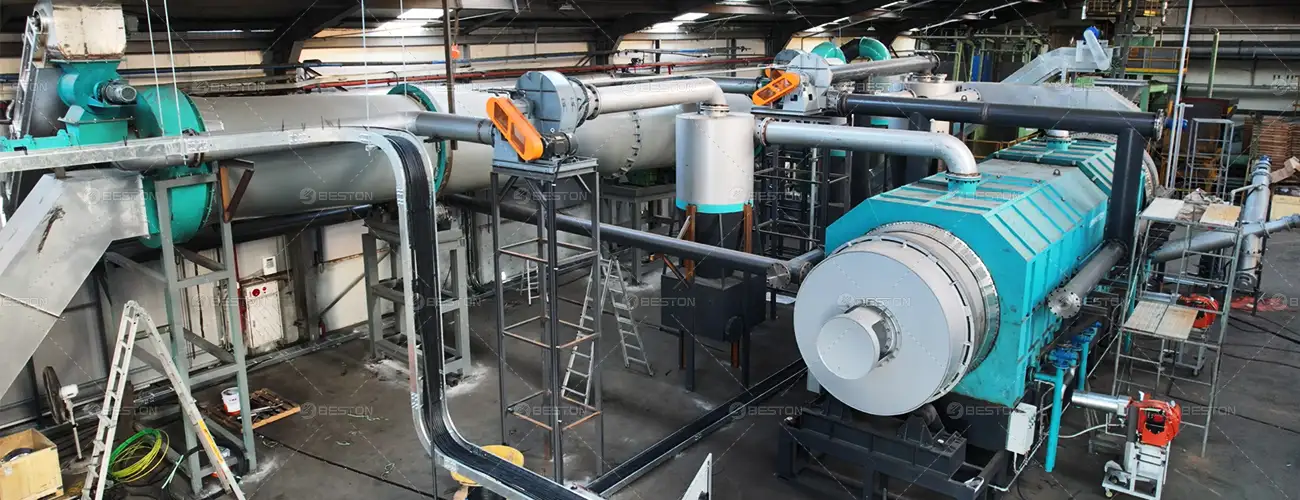
Industrial demand for scalable conversion systems has led to increased availability of modular units, including the biochar kiln for sale in various capacities. These systems range from small batch processors to continuous-feed industrial reactors.
Selection depends on feedstock variability, throughput requirements, and regulatory constraints. Emission control systems, condensate recovery units, and automated feeding mechanisms are critical selection parameters.
Proper integration requires engineering alignment between collection logistics and reactor capacity.
Conclusion
Urban organic waste represents an underutilized carbon reservoir. Through systematic deployment of charcoal making equipment and associated thermochemical systems, cities can convert disposal liabilities into resource streams. The biomass pyrolysis reactor enables controlled transformation, while the wood coal making machine ensures operational scalability.
As infrastructure evolves, distributed systems anchored by biochar production technologies will redefine urban waste paradigms. The inclusion of commercially available biochar kiln for sale options further accelerates adoption, bridging the gap between waste management and sustainable material production.