In an era marked by pressing environmental concerns and growing demands for sustainable practices, pyrolysis plants have emerged as a beacon of hope. These innovative facilities offer a promising avenue for addressing the world’s waste crisis while simultaneously providing valuable resources and reducing carbon emissions.
Explanation of Pyrolysis
The term ‘pyrolysis’ originates from the Greek words “pyr” (fire) and “lysis” (separation). Pyrolysis, as a process, involves the thermal decomposition of organic materials in the absence of oxygen. This seemingly simple concept holds the key to resolving some of our most pressing environmental challenges.
How Pyrolysis Plants Work
Pyrolysis plant is advanced facilities that leverage the pyrolysis process to transform a wide range of feedstocks into valuable products. The core of these plants is the pyrolysis reactor, where the magic happens. Here’s a step-by-step breakdown of how pyrolysis plants work:
- Feedstock Preparation: Pyrolysis plants accept diverse feedstocks, including plastics, tires, biomass, and more. These materials are typically cleaned and shredded to ensure uniformity and efficient processing.
- Heating: The feedstock is introduced into the pyrolysis reactor, where it is subjected to intense heat in the absence of oxygen. Temperatures can reach up to 900°C (1652°F), initiating the thermal decomposition process.
- Volatile Gas Production: As the feedstock heats up, it releases volatile gases and vapors. These gases are collected and can be used as a valuable energy source or as feedstock for chemical processes.
- Solid Residue (Char) Formation: The remaining solid residue, known as char or biochar, is a carbon-rich material with multiple applications, including soil enhancement and carbon sequestration.
- Liquid Product (Bio-oil) Generation: Pyrolysis also produces a liquid product called bio-oil or pyrolysis oil. This oil can be refined into valuable fuels and chemicals.
- Cooling and Condensation: The volatile gases and bio-oil are cooled and condensed for collection and further processing.
- Emissions Control: Emission control systems ensure that any harmful byproducts are appropriately treated and minimized.
Environmental Benefits of Pyrolysis Plants
Waste Diversion: Plastic/Tyre pyrolysis plant is champion in waste diversion. They can process a wide range of waste materials that would otherwise end up in landfills or incinerators, reducing the burden on these disposal methods.
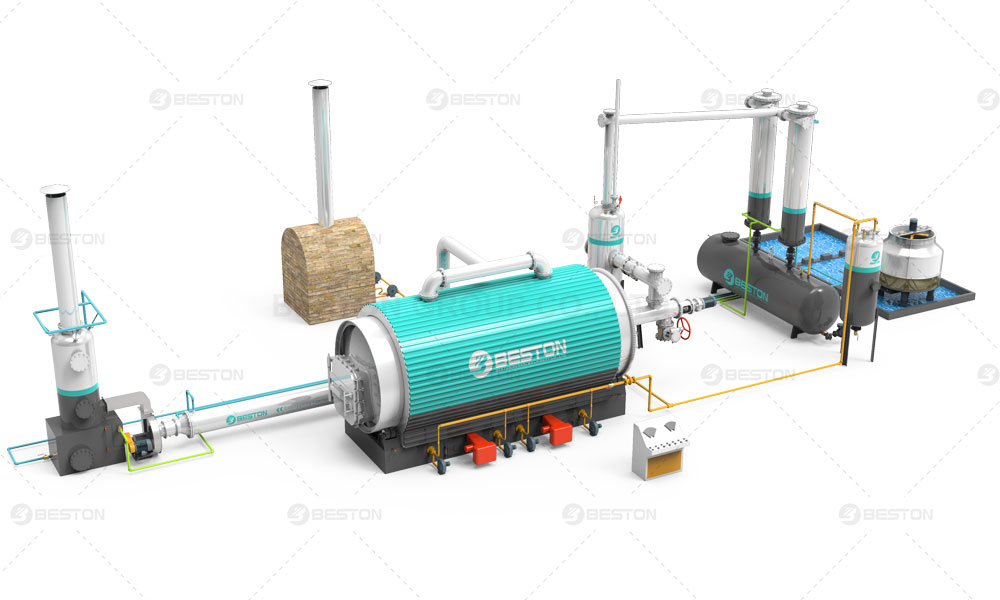
Reduced Carbon Emissions: By converting waste materials into valuable resources and energy, pyrolysis plants play a crucial role in reducing greenhouse gas emissions. This process not only mitigates carbon dioxide emissions but also reduces methane emissions from landfills.
Resource Recovery: The liquid bio-oil, char, and volatile gases produced by pyrolysis have a myriad of applications. Bio-oil can be used as a sustainable replacement for fossil fuels, while char can enhance soil fertility and carbon sequestration. Volatile gases can be used as an energy source for the pyrolysis process itself or for other industrial applications.
Applications of Pyrolysis Plants
The versatility of tyre/plastic pyrolysis plant extends to various industries and sectors:
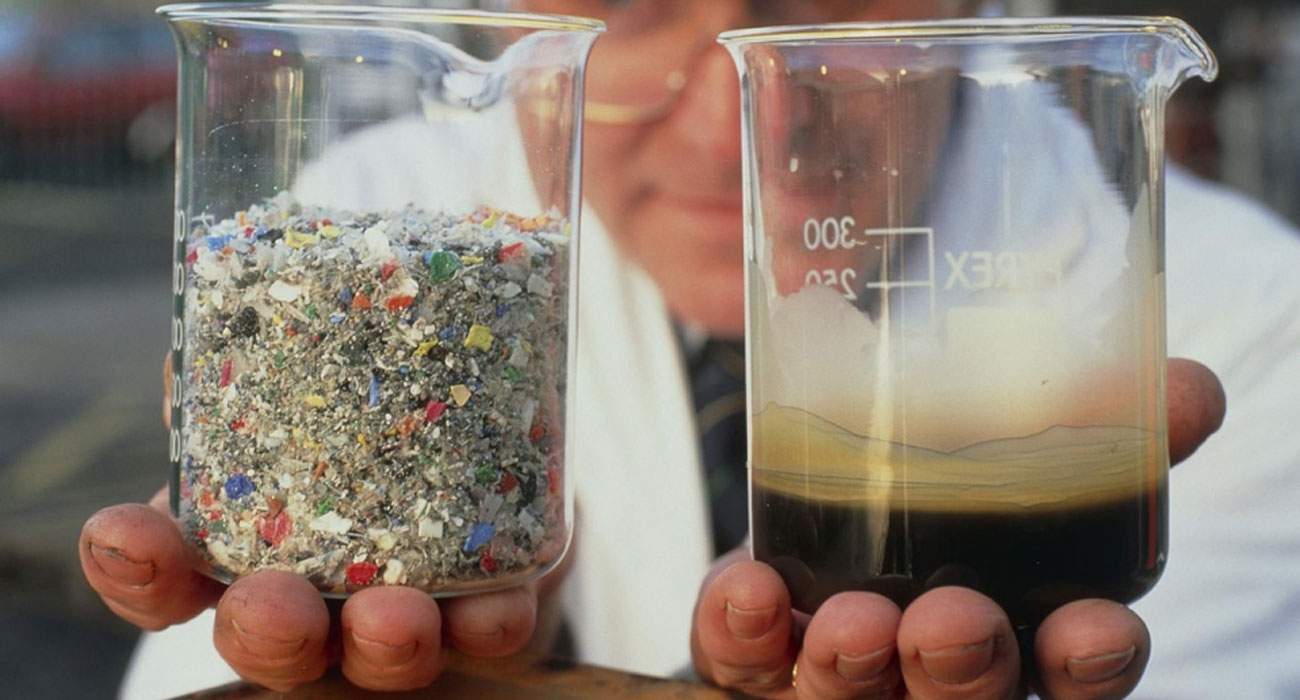
Waste Management: Pyrolysis offers a sustainable solution for managing plastic waste, tires, and other non-recyclable materials, reducing the strain on landfills and incineration.
Energy Generation: The volatile gases produced during pyrolysis can be used as a source of clean energy, contributing to a more sustainable and carbon-neutral energy mix.
Chemical Industry: Bio-oil derived from pyrolysis can be refined into a range of chemicals, including solvents, resins, and specialty chemicals.
Circular Economy: Plastic/tire/rubber/oil sludge pyrolysis plant supports the principles of a circular economy by turning waste into valuable resources and reducing the need for virgin materials.