Investing in a coconut shell charcoal making machine can be a lucrative opportunity for entrepreneurs seeking to capitalize on the growing demand for sustainable and renewable energy sources. However, navigating the complexities of the industry requires a strategic approach to maximize returns and mitigate risks. In this article, we’ll explore key investment strategies for coconut shell charcoal making machine ventures, offering insights into market dynamics, operational considerations, and financial planning.
Market Analysis and Demand Forecast
Before making any investment decisions, it’s essential to conduct a thorough analysis of the market for coconut shell charcoal and assess demand dynamics. Evaluate factors such as market size, growth trends, competitive landscape, and regulatory environment. Identify target markets and customer segments to gauge potential demand for coconut shell charcoal making machine products. Additionally, consider emerging trends in sustainable energy and environmental conservation that could drive demand for renewable charcoal alternatives.
Technology Evaluation and Selection
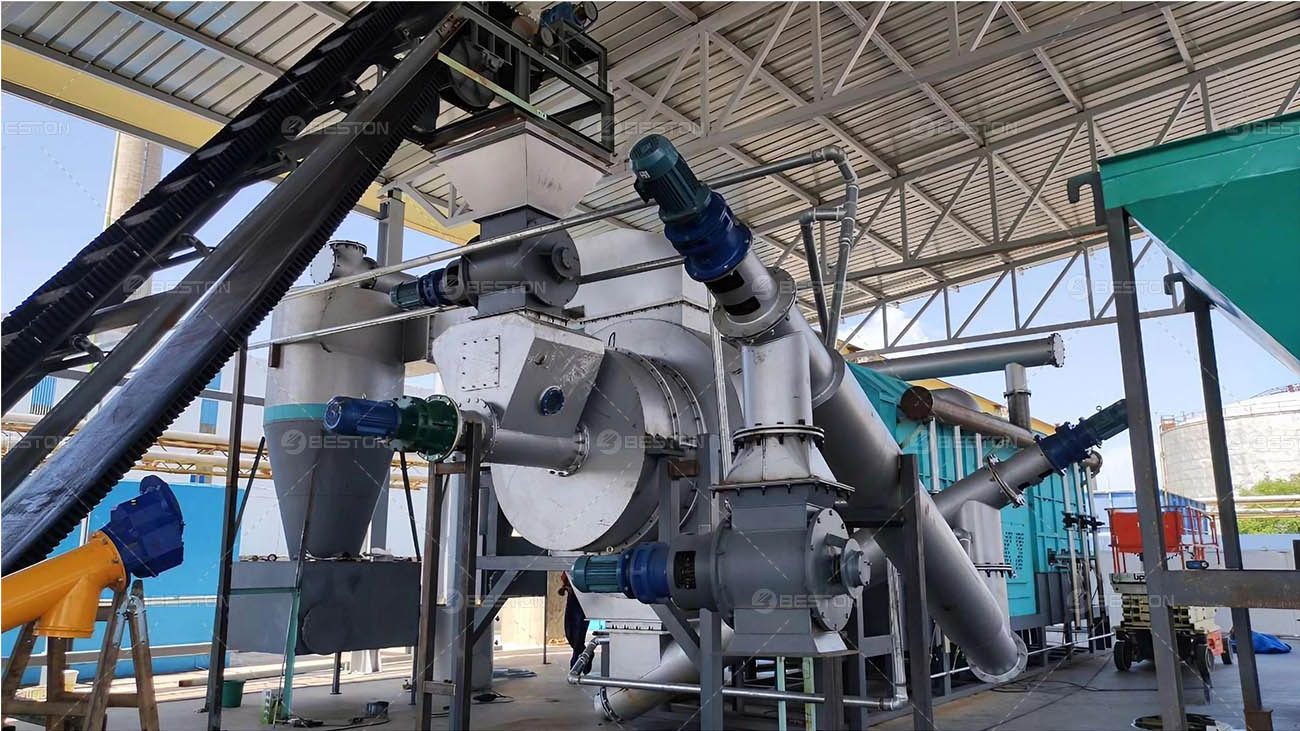
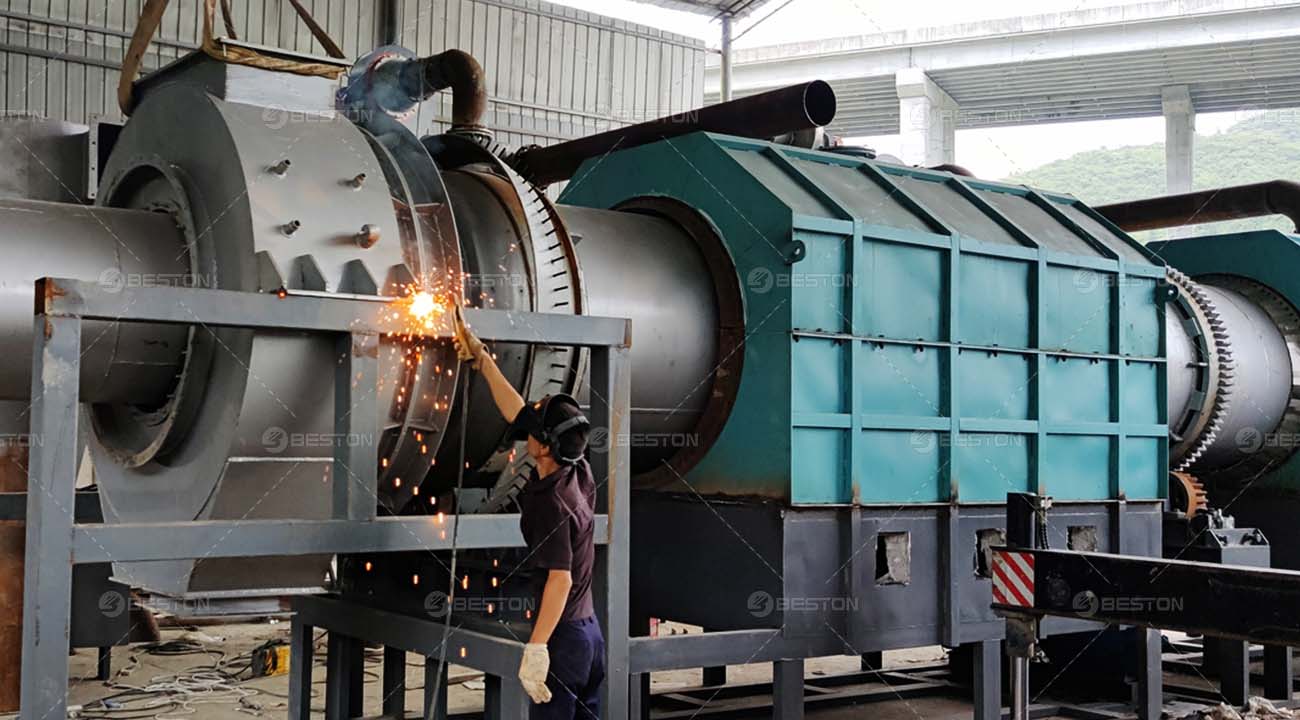
Invest in coconut shell charcoal making machine that utilizes advanced technology and offer efficient and cost-effective charcoal production processes. Evaluate different types of machines, such as rotary kilns, continuous carbonization furnaces, or biomass pyrolysis reactors, based on factors like capacity, energy efficiency, and product quality. Choose a machine that aligns with your production goals, budget, and long-term growth strategy.
Feedstock Sourcing and Supply Chain Management
Ensure a reliable and sustainable supply of coconut shells, the primary raw material for charcoal production. Establish partnerships with coconut processing facilities, agricultural cooperatives, or local farmers to secure a consistent supply of coconut shells at competitive prices. Implement effective supply chain management practices to optimize logistics, minimize transportation costs, and mitigate supply chain risks. Explore opportunities for vertical integration or backward integration to secure control over feedstock sourcing and enhance operational efficiency.
Operational Optimization and Process Efficiency
Focus on optimizing operational processes and maximizing the efficiency of coconut shell charcoal making machine for sale operations. Invest in training programs for machine operators and maintenance personnel to ensure proper operation and maintenance of equipment. Implement quality control measures to monitor product consistency and adherence to specifications. Explore opportunities for process automation and digitalization to streamline production processes, reduce labor costs, and improve overall efficiency.
Regulatory Compliance and Environmental Sustainability
Stay informed about regulatory requirements and environmental standards governing charcoal production and biomass utilization. Ensure compliance with local, state, and federal regulations related to air emissions, waste management, and occupational health and safety. Implement sustainable practices such as carbon offsetting, reforestation initiatives, or waste recycling to mitigate environmental impact and enhance the sustainability of charcoal production operations. Engage with regulatory agencies, industry associations, and stakeholders to stay abreast of regulatory developments and industry best practices.
Financial Planning and Risk Management
Develop a comprehensive financial plan that encompasses capital investment, operating expenses, revenue projections, and return on investment analysis. Consider factors such as equipment costs, labor expenses, raw material procurement, marketing expenses, and sales forecasts when estimating financial performance. Conduct sensitivity analysis to assess the impact of variable market conditions, production volumes, and input costs on financial outcomes. Implement risk management strategies to mitigate potential risks such as market volatility, supply chain disruptions, or regulatory changes. Explore financing options such as bank loans, venture capital, or government grants to fund capital investments and operational expenses. In order to minimize investment risks, a reliable coconut shell charcoal project solution provider is critical. As a leader in the recycling industry, Beston Company is absolutely trustworthy.
Market Differentiation and Brand Building
Differentiate your coconut shell charcoal products in the market by focusing on quality, sustainability, and value-added features. Highlight the unique characteristics of your charcoal, such as high carbon content, low ash content, or specific applications for cooking, grilling, or industrial use. Invest in branding and marketing initiatives to raise awareness of your brand and build a loyal customer base. Leverage digital marketing channels, social media platforms, and e-commerce platforms to reach target audiences and showcase the benefits of your charcoal products. Engage with customers through educational content, product demonstrations, and customer testimonials to build trust and credibility in the market.
Conclusion
Investing in a coconut shell charcoal making machine requires careful planning, market analysis, and strategic decision-making. By following a systematic approach and implementing sound investment strategies, entrepreneurs can capitalize on the growing demand for sustainable charcoal alternatives and create a successful and profitable venture. With a focus on technology, operational efficiency, regulatory compliance, and market differentiation, investing in coconut shell charcoal making machines holds the potential to yield significant returns while contributing to environmental conservation and sustainable development.