Pyrolysis, a thermochemical decomposition of organic material in the absence of oxygen, has garnered significant attention as an efficient method for waste management and energy recovery. Two prominent applications of pyrolysis are the treatment of end-of-life tires and oil sludge. While both processes share the fundamental principle of converting waste into valuable by-products, the nature of the feedstock and the resulting outputs introduce distinct differences. Understanding these differences is crucial for optimizing the process, selecting appropriate equipment, and evaluating the environmental and economic benefits of each method.
Feedstock Characteristics
The first and most apparent difference between tire pyrolysis and oil sludge pyrolysis lies in the composition and properties of the feedstock.
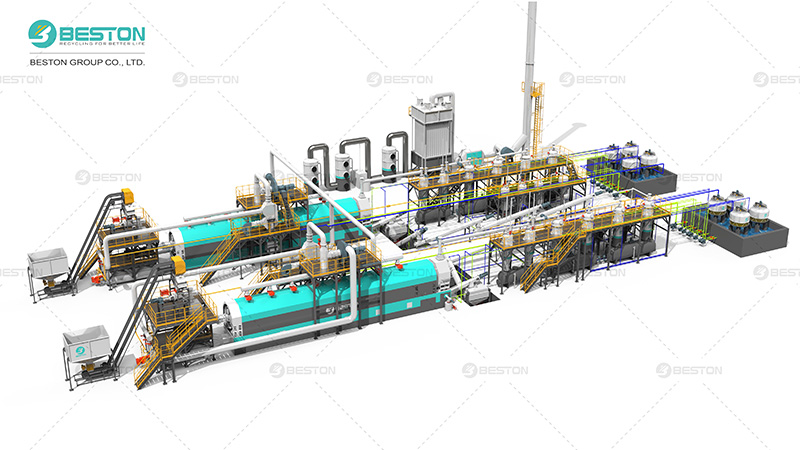
Tires are primarily composed of natural and synthetic rubber, carbon black, steel, fabric, and various additives. These materials are non-biodegradable, making tires a persistent environmental pollutant if not properly managed. The high rubber content in tires, which is predominantly a polymer, requires specific conditions to break down efficiently during tyre pyrolysis plant.
In contrast, oil sludge is a semi-solid waste by-product of oil refining, drilling, and storage. It contains a complex mixture of hydrocarbons, water, heavy metals, and inorganic solids. The composition of oil sludge can vary significantly depending on its origin, with some sludge being more water-rich and others containing a higher concentration of heavy hydrocarbons and metals. This variability necessitates careful analysis and treatment to optimize the pyrolysis process.
Pyrolysis Process Parameters
The pyrolysis of tires and oil sludge requires different process parameters to maximize yield and quality of the end products.
Tire pyrolysis typically operates at temperatures between 350°C and 500°C. The rubber polymers break down into smaller hydrocarbons, producing a mixture of gases, oils, and a solid residue known as char. The presence of sulfur in tires, used to vulcanize the rubber, results in the formation of sulfur-containing compounds during pyrolysis. Managing these compounds is essential to prevent environmental pollution and to produce high-quality pyrolysis oil.
Through oil sludge pyrolysis plant, on the other hand, generally occurs at higher temperatures, ranging from 400°C to 600°C. The higher temperature is necessary to break down the more complex hydrocarbon chains and to volatilize the water content present in the sludge. The process also requires more precise control to handle the varying compositions of the feedstock, particularly when heavy metals are present. These metals can catalyze secondary reactions or contaminate the final products if not properly managed.
By-Products and Their Utilization
The by-products of tire pyrolysis and oil sludge pyrolysis differ significantly, both in composition and potential applications.
Tire pyrolysis produces pyrolysis oil, carbon black, steel, and gases. The pyrolysis oil derived from tires is a mixture of light and heavy hydrocarbons, which can be further refined into fuels or used as a feedstock for chemical production. Carbon black, a fine carbon powder used in the production of rubber, plastics, and inks, is a valuable by-product that can be reused in various industries. The steel extracted from the pyrolysis process is typically recycled in the steel industry. The gases generated are often utilized as a source of energy to sustain the pyrolysis process, enhancing overall efficiency.
In thermal desorption system, the primary products are pyrolysis oil, water, and a solid residue containing inorganic materials and heavy metals. The pyrolysis oil from oil sludge is more viscous and contains higher concentrations of heavy hydrocarbons compared to tire-derived oil. It can be used as a heavy fuel oil or further refined. The water content, once separated, can be treated and possibly reused within the refinery or disposed of following environmental regulations. The solid residue often requires further treatment due to the presence of heavy metals, which can be extracted for recovery or stabilized to prevent environmental contamination.
Environmental and Economic Considerations
The environmental impact of pyrolysis processes is a critical factor in their adoption and scalability.
Tire pyrolysis is often seen as a more environmentally friendly alternative to traditional tire disposal methods, such as landfilling or incineration. By converting waste tires into reusable materials and energy, tire pyrolysis reduces the environmental burden of tire waste. However, the emission of sulfur compounds and the potential release of toxic gases during the process require stringent emission controls.
Oil sludge pyrolysis also presents an opportunity to reduce the environmental impact of oil refining waste. The process minimizes the volume of hazardous waste, reduces the need for landfilling, and recovers valuable hydrocarbons. However, the variability in oil sludge composition and the presence of heavy metals pose challenges in ensuring the process is both efficient and environmentally sound. Proper handling of by-products, particularly the solid residue, is essential to prevent secondary pollution. Please consult Beston Group for more information on oil sludge recycling.
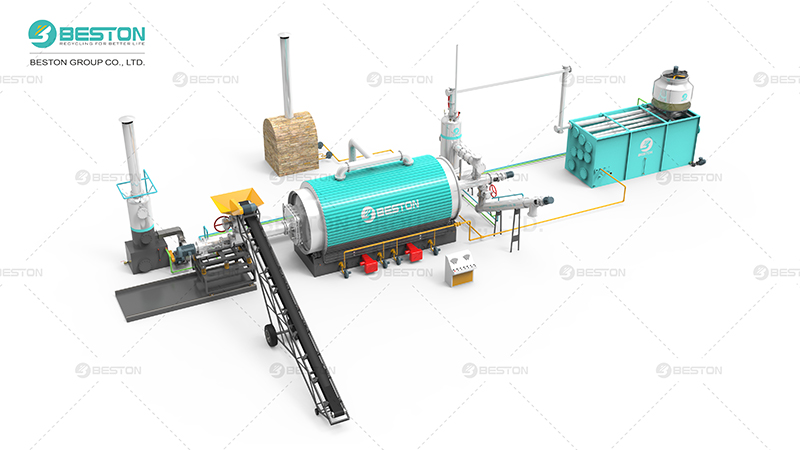
Economically, both tire and oil sludge pyrolysis offer potential revenue streams from the sale of recovered products, such as pyrolysis oil and carbon black. However, the initial capital investment, operational costs, and market demand for the by-products play a significant role in determining the overall viability of these processes.
Conclusion
While tire pyrolysis and oil sludge pyrolysis share the core principle of waste conversion through thermal decomposition, the differences in feedstock composition, process parameters, and by-products are substantial. These distinctions necessitate tailored approaches to each process to optimize efficiency, product quality, and environmental compliance. As pyrolysis technology continues to evolve, understanding these nuances will be critical in advancing waste management strategies and contributing to a more sustainable future.