Category Archives: Pyrolyzing Machine

The Difference Between Tire Pyrolysis and Oil Sludge Pyrolysis

Pyrolysis, a thermochemical decomposition of organic material in the absence of oxygen, has garnered significant attention as an efficient method for waste management and energy recovery. Two prominent applications of pyrolysis are the treatment of end-of-life tires and oil sludge. While both processes share the fundamental principle of converting waste into valuable by-products, the nature of the feedstock and the resulting outputs introduce distinct differences. Understanding these differences is crucial for optimizing the process, selecting appropriate equipment, and evaluating the environmental and economic benefits of each method.

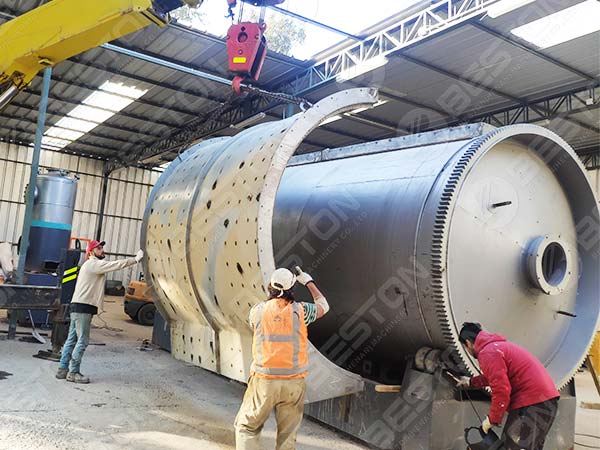
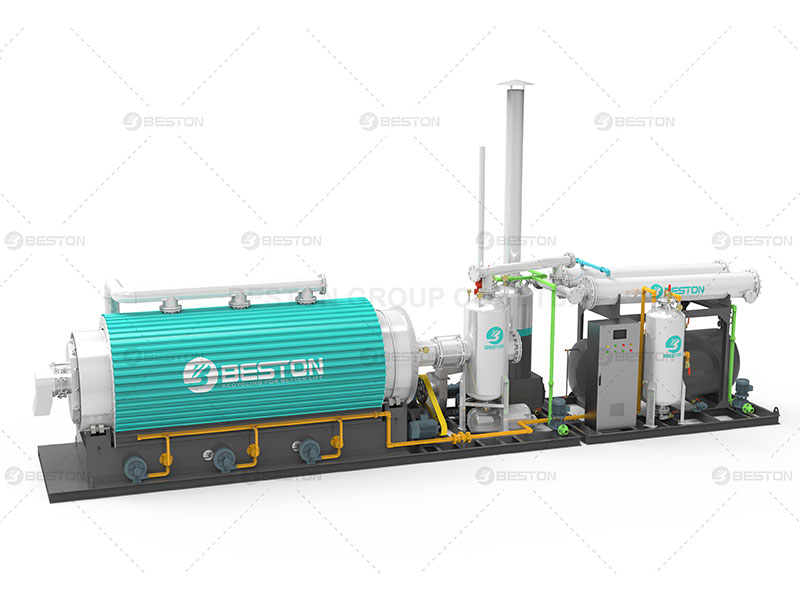
Pyrolysis Plant to Process Tyre and Oil Sludge

Feedstock Characteristics

The first and most apparent difference between tire pyrolysis and oil sludge pyrolysis lies in the composition and properties of the feedstock.

Tires are primarily composed of natural and synthetic rubber, carbon black, steel, fabric, and various additives. These materials are non-biodegradable, making tires a persistent environmental pollutant if not properly managed. The high rubber content in tires, which is predominantly a polymer, requires specific conditions to break down efficiently during tyre pyrolysis plant.

In contrast, oil sludge is a semi-solid waste by-product of oil refining, drilling, and storage. It contains a complex mixture of hydrocarbons, water, heavy metals, and inorganic solids. The composition of oil sludge can vary significantly depending on its origin, with some sludge being more water-rich and others containing a higher concentration of heavy hydrocarbons and metals. This variability necessitates careful analysis and treatment to optimize the pyrolysis process.

Pyrolysis Process Parameters

The pyrolysis of tires and oil sludge requires different process parameters to maximize yield and quality of the end products.

Tire pyrolysis typically operates at temperatures between 350°C and 500°C. The rubber polymers break down into smaller hydrocarbons, producing a mixture of gases, oils, and a solid residue known as char. The presence of sulfur in tires, used to vulcanize the rubber, results in the formation of sulfur-containing compounds during pyrolysis. Managing these compounds is essential to prevent environmental pollution and to produce high-quality pyrolysis oil.

Through oil sludge pyrolysis plant, on the other hand, generally occurs at higher temperatures, ranging from 400°C to 600°C. The higher temperature is necessary to break down the more complex hydrocarbon chains and to volatilize the water content present in the sludge. The process also requires more precise control to handle the varying compositions of the feedstock, particularly when heavy metals are present. These metals can catalyze secondary reactions or contaminate the final products if not properly managed.

By-Products and Their Utilization

The by-products of tire pyrolysis and oil sludge pyrolysis differ significantly, both in composition and potential applications.

Tire pyrolysis produces pyrolysis oil, carbon black, steel, and gases. The pyrolysis oil derived from tires is a mixture of light and heavy hydrocarbons, which can be further refined into fuels or used as a feedstock for chemical production. Carbon black, a fine carbon powder used in the production of rubber, plastics, and inks, is a valuable by-product that can be reused in various industries. The steel extracted from the pyrolysis process is typically recycled in the steel industry. The gases generated are often utilized as a source of energy to sustain the pyrolysis process, enhancing overall efficiency.

In thermal desorption system, the primary products are pyrolysis oil, water, and a solid residue containing inorganic materials and heavy metals. The pyrolysis oil from oil sludge is more viscous and contains higher concentrations of heavy hydrocarbons compared to tire-derived oil. It can be used as a heavy fuel oil or further refined. The water content, once separated, can be treated and possibly reused within the refinery or disposed of following environmental regulations. The solid residue often requires further treatment due to the presence of heavy metals, which can be extracted for recovery or stabilized to prevent environmental contamination.

Environmental and Economic Considerations

The environmental impact of pyrolysis processes is a critical factor in their adoption and scalability.

Tire pyrolysis is often seen as a more environmentally friendly alternative to traditional tire disposal methods, such as landfilling or incineration. By converting waste tires into reusable materials and energy, tire pyrolysis reduces the environmental burden of tire waste. However, the emission of sulfur compounds and the potential release of toxic gases during the process require stringent emission controls.

Oil sludge pyrolysis also presents an opportunity to reduce the environmental impact of oil refining waste. The process minimizes the volume of hazardous waste, reduces the need for landfilling, and recovers valuable hydrocarbons. However, the variability in oil sludge composition and the presence of heavy metals pose challenges in ensuring the process is both efficient and environmentally sound. Proper handling of by-products, particularly the solid residue, is essential to prevent secondary pollution. Please consult Beston Group for more information on oil sludge recycling.

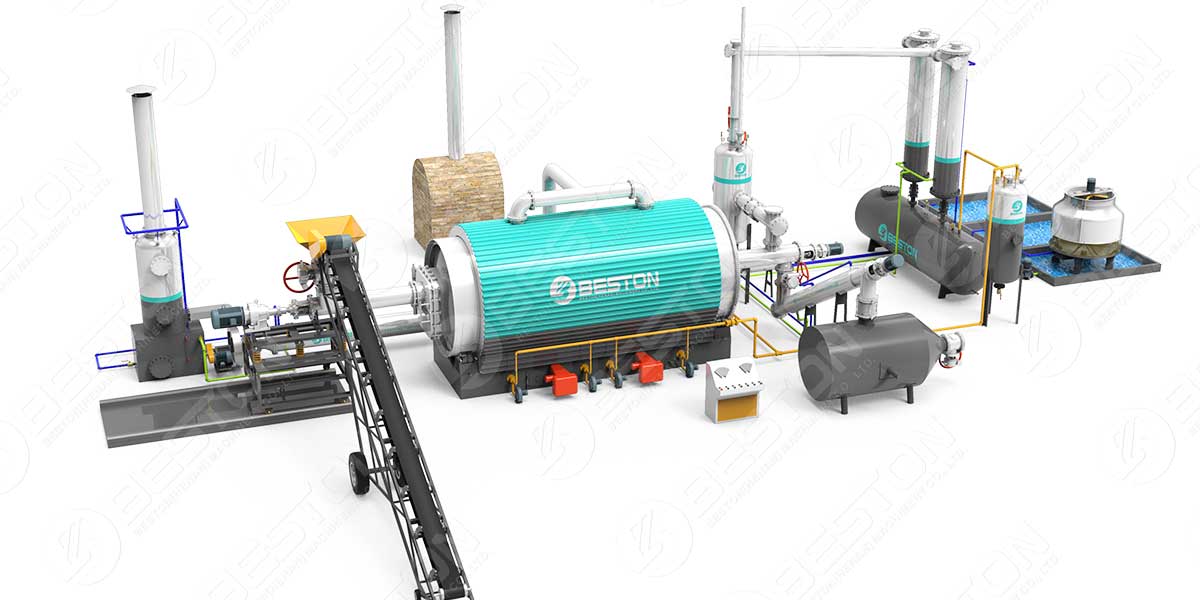
Pyrolysis Plant with Eco-friendly Design

Economically, both tire and oil sludge pyrolysis offer potential revenue streams from the sale of recovered products, such as pyrolysis oil and carbon black. However, the initial capital investment, operational costs, and market demand for the by-products play a significant role in determining the overall viability of these processes.

Conclusion

While tire pyrolysis and oil sludge pyrolysis share the core principle of waste conversion through thermal decomposition, the differences in feedstock composition, process parameters, and by-products are substantial. These distinctions necessitate tailored approaches to each process to optimize efficiency, product quality, and environmental compliance. As pyrolysis technology continues to evolve, understanding these nuances will be critical in advancing waste management strategies and contributing to a more sustainable future.

Revolutionizing Waste Management: The Advantages of Continuous Tyre Pyrolysis Plants

Introduction:

In the face of escalating environmental concerns and the urgent need for sustainable waste management solutions, innovative technologies such as continuous tyre pyrolysis plants have emerged as promising alternatives. These plants represent a significant step towards addressing the global challenge of tyre waste while harnessing valuable resources from discarded materials. In this article, we delve into the workings of continuous tyre pyrolysis plant and explore their numerous advantages in transforming waste tyres into valuable commodities.

Understanding Continuous Tyre Pyrolysis Plants:

Continuous tyre pyrolysis plants are advanced facilities designed to convert waste tyres into useful products through a thermal decomposition process known as pyrolysis. Unlike traditional batch pyrolysis systems, which operate intermittently, continuous plants offer a continuous and uninterrupted process flow, enabling higher throughput and efficiency.

The Process:

The process begins with the feeding of waste tyres into a pre-treatment area, where they are shredded or chopped into smaller pieces to enhance pyrolysis efficiency. These tyre pieces are then fed into a pyrolysis reactor, where they undergo controlled heating in the absence of oxygen. This thermal decomposition leads to the breakdown of complex hydrocarbons present in tyres into simpler molecules such as pyrolysis oil, carbon black, and gases like methane and hydrogen. Get pyrolysis plant cost here.

Advantages of Continuous Tyre Pyrolysis Plants:

  1. High Efficiency and Throughput: Continuous tyre pyrolysis plants offer significantly higher efficiency and throughput compared to batch systems. The continuous process flow allows for uninterrupted operation, minimizing downtime and maximizing productivity. This high throughput capability enables the processing of large quantities of waste tyres, thereby contributing to effective waste management on a larger scale.
  2. Energy Recovery and Resource Utilization: One of the primary advantages of continuous tyre pyrolysis plants is the recovery of valuable resources from waste tyres. Pyrolysis oil obtained from the process can be utilized as a fuel source for various industrial applications or further refined into high-quality fuels like diesel or gasoline. Carbon black, another byproduct of pyrolysis, can be used as a reinforcing agent in rubber and plastic manufacturing or as a pigment in ink and paint industries. Additionally, the gases produced during pyrolysis can be utilized to generate heat or electricity, further enhancing the energy recovery potential of the process.
  3. Environmental Sustainability: Continuous tyre pyrolysis plants contribute to environmental sustainability by diverting waste tyres from landfills and illegal dumping sites, thereby reducing soil and water pollution. The conversion of waste tyres into valuable products through pyrolysis also helps mitigate the environmental impact associated with conventional disposal methods such as incineration or landfilling. Furthermore, the utilization of pyrolysis oil and gases as alternative fuel sources can reduce reliance on fossil fuels, leading to lower greenhouse gas emissions and mitigating climate change. Compare the small pyrolysis machine here.
  4. Versatility and Adaptability: Continuous tyre pyrolysis plants are versatile in their ability to process various types of waste tyres, including passenger car tyres, truck tyres, and even industrial tyres. This versatility allows for the efficient utilization of diverse tyre waste streams, regardless of size or composition. Moreover, continuous plants can be adapted to accommodate changes in feedstock characteristics or processing requirements, ensuring operational flexibility and optimization.

Conclusion:

Continuous tyre pyrolysis plants represent a significant advancement in waste-to-resource technology, offering numerous advantages in terms of efficiency, resource utilization, environmental sustainability, and versatility. By harnessing the potential of thermal decomposition, these plants enable the transformation of waste tyres into valuable commodities while mitigating environmental pollution and contributing to a circular economy. As the demand for sustainable waste management solutions continues to rise, continuous tyre pyrolysis plants stand poised to play a pivotal role in revolutionizing the way we manage and utilize waste tyres. More information about Beston Group here.

A Paradigm Shift for Sustainability: Pyrolysis Plant

In an era marked by pressing environmental concerns and growing demands for sustainable practices, pyrolysis plants have emerged as a beacon of hope. These innovative facilities offer a promising avenue for addressing the world’s waste crisis while simultaneously providing valuable resources and reducing carbon emissions.

Explanation of Pyrolysis

The term ‘pyrolysis’ originates from the Greek words “pyr” (fire) and “lysis” (separation). Pyrolysis, as a process, involves the thermal decomposition of organic materials in the absence of oxygen. This seemingly simple concept holds the key to resolving some of our most pressing environmental challenges.

How Pyrolysis Plants Work

Pyrolysis plant is advanced facilities that leverage the pyrolysis process to transform a wide range of feedstocks into valuable products. The core of these plants is the pyrolysis reactor, where the magic happens. Here’s a step-by-step breakdown of how pyrolysis plants work:

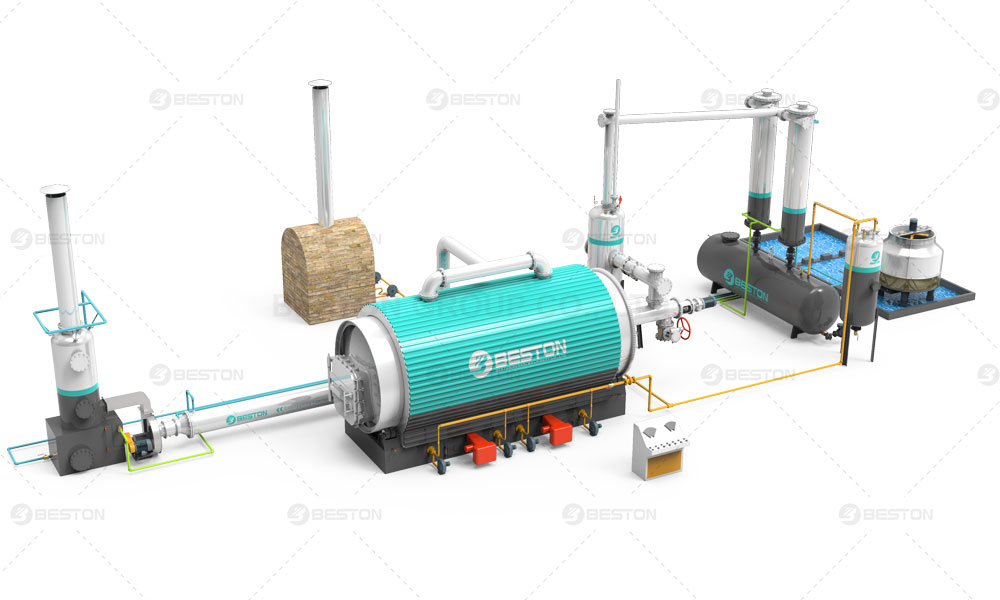
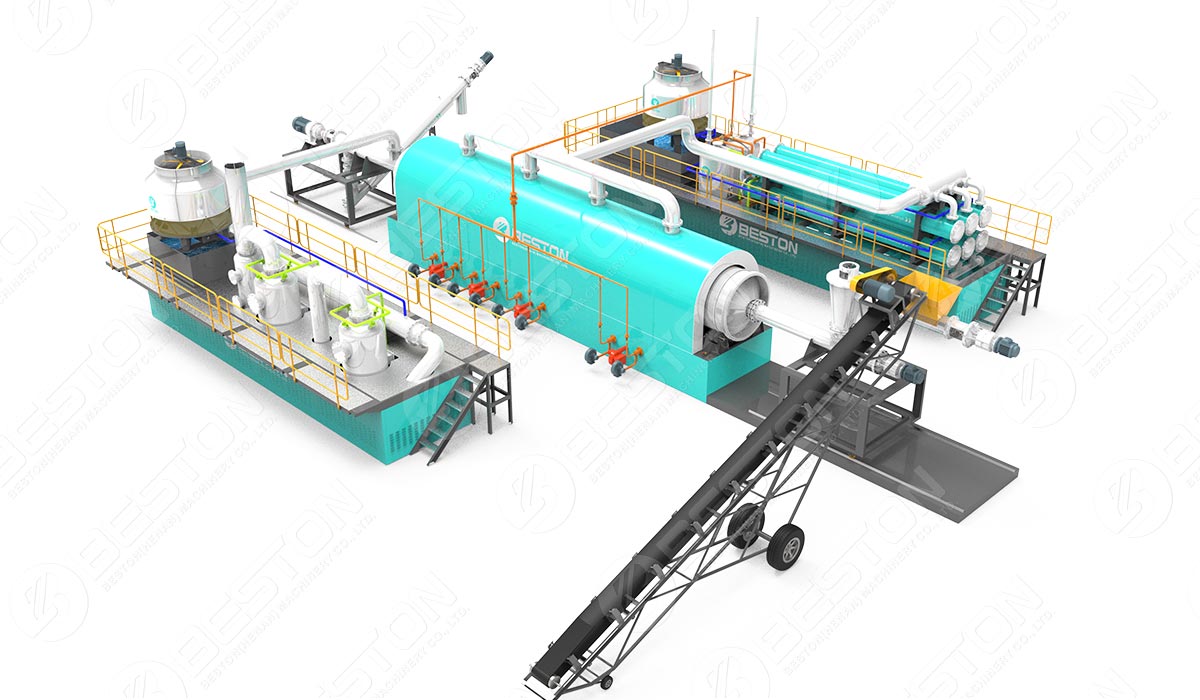
Working Process Flow Chart of BLL-30 Continuous Pyrolysis Plant

  1. Feedstock Preparation: Pyrolysis plants accept diverse feedstocks, including plastics, tires, biomass, and more. These materials are typically cleaned and shredded to ensure uniformity and efficient processing.
  2. Heating: The feedstock is introduced into the pyrolysis reactor, where it is subjected to intense heat in the absence of oxygen. Temperatures can reach up to 900°C (1652°F), initiating the thermal decomposition process.
  3. Volatile Gas Production: As the feedstock heats up, it releases volatile gases and vapors. These gases are collected and can be used as a valuable energy source or as feedstock for chemical processes.
  4. Solid Residue (Char) Formation: The remaining solid residue, known as char or biochar, is a carbon-rich material with multiple applications, including soil enhancement and carbon sequestration.
  5. Liquid Product (Bio-oil) Generation: Pyrolysis also produces a liquid product called bio-oil or pyrolysis oil. This oil can be refined into valuable fuels and chemicals.
  6. Cooling and Condensation: The volatile gases and bio-oil are cooled and condensed for collection and further processing.
  7. Emissions Control: Emission control systems ensure that any harmful byproducts are appropriately treated and minimized.

Environmental Benefits of Pyrolysis Plants

Waste Diversion: Plastic/Tyre pyrolysis plant is champion in waste diversion. They can process a wide range of waste materials that would otherwise end up in landfills or incinerators, reducing the burden on these disposal methods.

Beston Batch Waste Plastic Pyrolysis Plant for Sale

Reduced Carbon Emissions: By converting waste materials into valuable resources and energy, pyrolysis plants play a crucial role in reducing greenhouse gas emissions. This process not only mitigates carbon dioxide emissions but also reduces methane emissions from landfills.

Resource Recovery: The liquid bio-oil, char, and volatile gases produced by pyrolysis have a myriad of applications. Bio-oil can be used as a sustainable replacement for fossil fuels, while char can enhance soil fertility and carbon sequestration. Volatile gases can be used as an energy source for the pyrolysis process itself or for other industrial applications.

Applications of Pyrolysis Plants

The versatility of tyre/plastic pyrolysis plant extends to various industries and sectors:

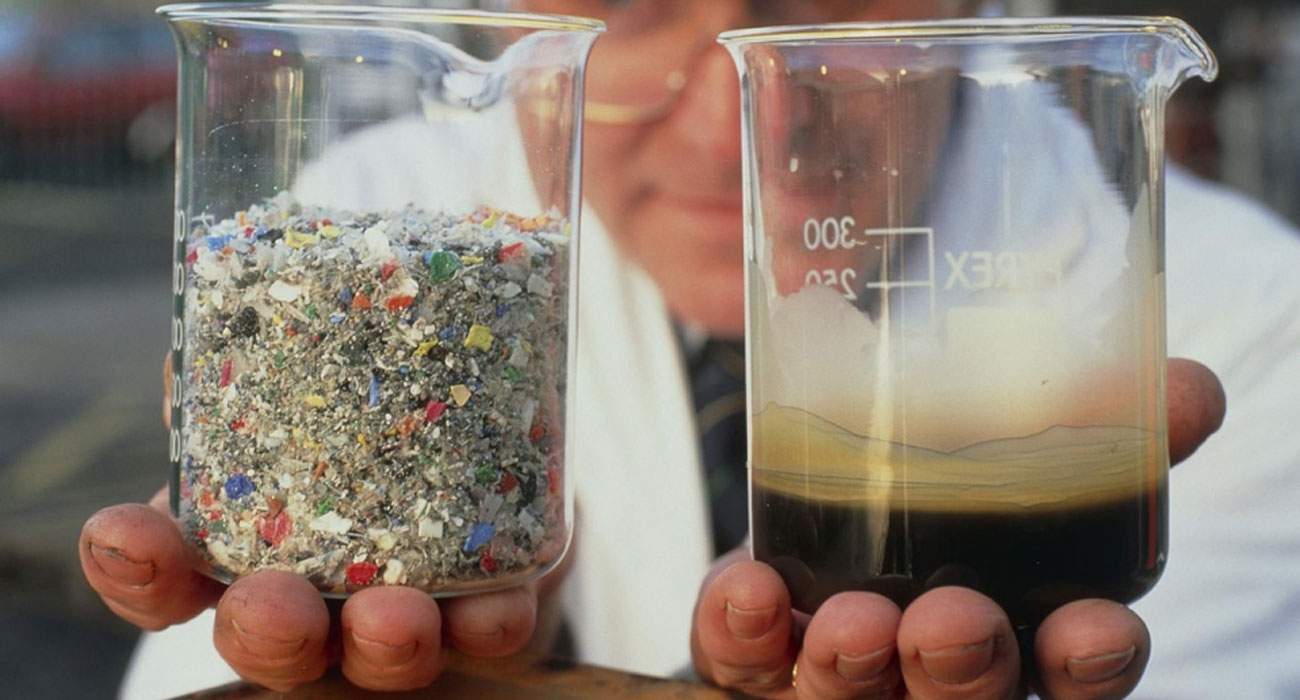
Use Pyrolysis Technology to make Fuel Oil from Waste Plastic

Waste Management: Pyrolysis offers a sustainable solution for managing plastic waste, tires, and other non-recyclable materials, reducing the strain on landfills and incineration.

Energy Generation: The volatile gases produced during pyrolysis can be used as a source of clean energy, contributing to a more sustainable and carbon-neutral energy mix.

Chemical Industry: Bio-oil derived from pyrolysis can be refined into a range of chemicals, including solvents, resins, and specialty chemicals.

Circular Economy: Plastic/tire/rubber/oil sludge pyrolysis plant supports the principles of a circular economy by turning waste into valuable resources and reducing the need for virgin materials.


Application of Fully Continuous Tire Pyrolysis Equipment

Tire pyrolysis is the process of converting waste tires into valuable products like fuel oil, carbon black, and steel wire through a high-temperature pyrolysis process. Fully continuous tire pyrolysis equipment is an advanced technology that enables the continuous operation of the pyrolysis process, resulting in higher efficiency and productivity. In this essay, we will discuss the application of fully continuous tire pyrolysis equipment and its benefits.

Fully continuous tire pyrolysis equipment (planta de pirólisis intermitente) is designed to operate continuously, without the need for manual intervention, resulting in higher efficiency and productivity. The equipment consists of a feeding system, a reactor, a condensing system, and a discharging system. The feeding system automatically feeds waste tires into the reactor, while the reactor heats up the tires to high temperatures, causing them to break down and release valuable products. The condensing system cools the products, resulting in the formation of fuel oil, carbon black, and steel wire. The discharging system automatically removes the products, making the process fully automated and continuous.

planta de pirólisis intermitente

One of the main benefits of fully continuous tire pyrolysis equipment (planta de pirólisis continua) is its high efficiency and productivity. The continuous operation of the equipment allows for a higher processing capacity and a faster production rate, resulting in higher profits for the operator. Additionally, the equipment requires less manpower and less maintenance, resulting in lower operating costs and higher profitability.

Another benefit of fully continuous tire pyrolysis equipment is its environmental friendliness. The process of converting waste tires into valuable products through pyrolysis reduces the amount of waste tires that end up in landfills, which is a significant environmental problem. Furthermore, the fuel oil produced by the equipment can be used as a clean source of energy, reducing the reliance on non-renewable sources of energy and reducing greenhouse gas emissions.

Fully continuous tire pyrolysis equipment (https://www.bestoneco.com/planta-de-pirolisis-de-neumaticos-continua/) is widely used in various industries, including the energy, chemical, and transportation industries. The fuel oil produced by the equipment can be used as a clean and sustainable source of energy for industrial processes, heating, and electricity generation. The carbon black produced by the equipment is a valuable raw material for the production of rubber products, ink, and pigment. The steel wire produced by the equipment can be sold as a scrap material, generating additional income for the operator.

In conclusion, the application of fully continuous tire pyrolysis equipment has significant benefits for the environment and the economy. The equipment allows for the continuous and automated conversion of waste tires into valuable products, resulting in higher efficiency, productivity, and profitability. Additionally, the equipment reduces the reliance on non-renewable sources of energy and reduces greenhouse gas emissions, making it an environmentally friendly solution for waste management (beston company). With the growth of the tire pyrolysis industry.

The Benefits Of Investing In A Tyre To Oil Plant

Converting waste tyres to oil has become an effective method for solving the issues that waste tyres cause. This is especially true when it comes to the energy crisis that we are currently facing.

The tyre-to-oil process involves pyrolysis, and this technique requires a very high temperature. Before using waste tyre to oil plant to convert waste tyres into oil, here are a few considerations that you need to be aware of:

Tire to Fuel Plant

Tire to Fuel Plant

– The first thing that is required is to extract the steel wire out of the tyres

– The second consideration is to ensure the waste tyre sizes are able to reach a specific standard. For continuous and semi-continuous waste tyre-to-oil equipment, the size needs to be around 50mm. For the batch-operating pyrolysis plants, the size has to be below 1,200mm.

From here, the recycling process of turning tyres into oil can begin:

– The waste tyres are placed in a reactor

– The reactor is heated with the use of fuels such as charcoal, coal, wood, or fuel gas. Once the temperature has reached about 120 degrees, the burning process produces oil gas. More information on pyrolysis plant here.

– Some of the oil gas will flow into a condensing system where it creates liquid oil. The gas that cannot liquify under this pressure will pass back into a combustion system after it has passed through the purification system. This gas is then used as a fuel to provide heat to the reactor, which helps to save energy.

– After the oil-production process completes, the reactor will be cooled down. During this step of the process carbon black is produced

– There is a also a dedusting system that is used to process any smoke and to ensure that the waste tyre pyrolysis plant does not produce air pollution.

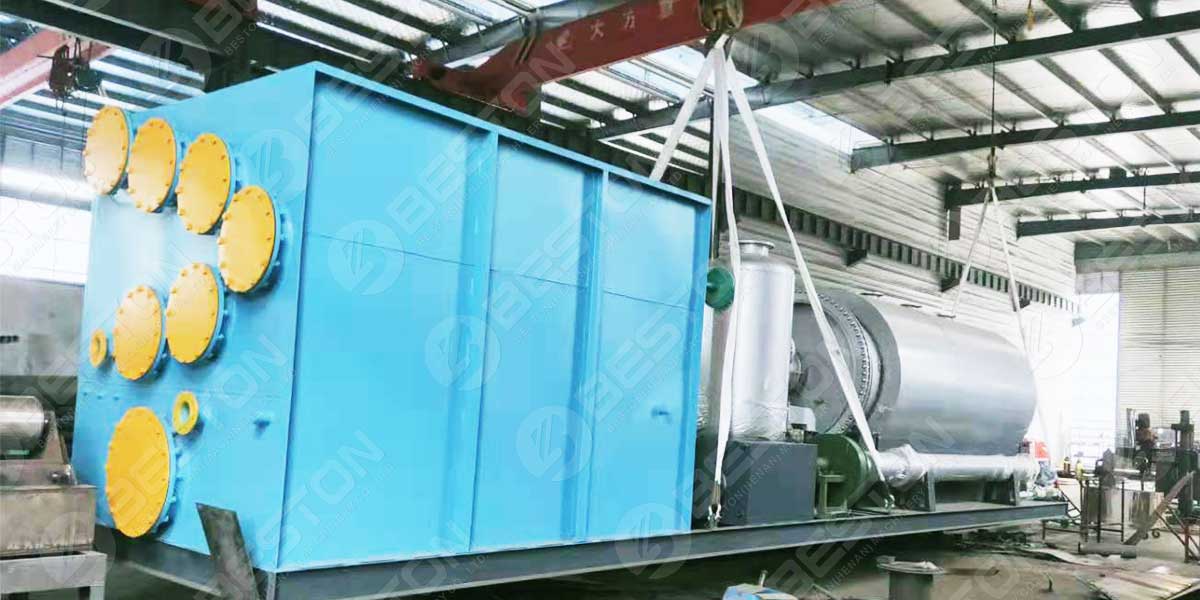
BLJ-3 To the Philippines

BLJ-3 To the Philippines

Once the tyre-to-oil process completes, you are left with around 45% fuel oil, 8% combustible gas, 12% steel wire, and 35% carbon black. Each one of these end-products are useful and can be used for various applications:

– Fuel oil is used as one of the industrial fuel materials or it is refined further into diesel

– The carbon black is also used as a type of fuel or it can be processed further

– The steel wire is either recycled or resold to steel plants for producing new products

– The combustible gas is also recycled and used to provide fuel to the reactor, which helps to save energy throughout the working process

Good Reasons To Invest In A Tyre-To-Oil Plant

If you are currently operating a business that has access to large amounts of waste rubber tyres, you could turn this waste into a second business to generate even more profits. Converting tyres into oil helps to alleviate the problem of waste tyres taking up so much space in landfills and breaking down this rubber results in various by-products that can be sold or used. At the end of the process, you will be left with bio-fuel that can be used in diesel engines, offering a valuable source of recycled energy. See the tyre to fuel recycling plant here.

How To Get The Best Pyrolysis Plant Cost Available

An investment into a pyrolysis plant could be one of the more substantial investments in your business. It can be very profitable if you have enough materials to use with these types of systems. Whether you are converting sewer sludge, sawdust, or coconut shells, all of this can be converted into burnable fuels. You will simply need a pyrolysis plant that can handle the sheer volume of material that you may have access to produce biochar and biofuel. To find the lowest possible pyrolysis plant cost, here are a few suggestions.

Pyrolysis Plant Cost

Pyrolysis Plant Cost

How To Locate These Companies

Locating these businesses shouldn’t take very long at all. In fact, you should be able to find a couple of different pyrolysis plants in the span of just a few minutes. You may not be able to afford some of them, but you can get smaller units that will be more than adequate. Obtaining them from overseas will likely save you the most money. It may also give you access to products that are simply not available any longer. All you need is a good distributor and manufacturer to provide you with the best pyrolysis plant for sale. These are typically located online, allowing you to quickly locate them within a matter of minutes.

Assessing The Information They Provide

The information that they are offering will include specifications for each one. It will tell you what type of materials can be processed through the system and the amount of volume that you can expect from these products. If you are getting something larger, you will need more space at your tyre pyrolysis plant to house all of the components. If you do have a municipal solid waste plant or a facility that is producing this material on a daily basis, it’s good to have one that can handle high volumes of waste material on a daily basis.

BLL-20 Installed in Romania

BLL-20 Installed in Romania

Why Would You Want To Have One Of These?

You should consider getting these if you are interested in finding a way to increase your revenue. If you are already harvesting crops like rice or peanuts, you are going to have plenty of material in the up-and-coming weeks to use. This can be converted into biochar very quickly, and if you have the contacts already set up, you can sell the material as it comes available. Whether you are trying to avoid paying for the disposal of shells and sawdust, or if you want to make additional revenue with your business, a pyrolysis plant will certainly help you out.

As you contact these businesses, they can give you quotes on the total pyrolysis plant cost that you will pay. Multiple requests can lead to several different estimates. One of them will be within your price range and will also have the output production you are looking for. Always consider how much material you have to work with on a daily basis before making your final decision. Once it is up and running, you will have a way of producing more money for your business using the waste materials that you produce every year. Want to know more about pyrolyzing, see the information from Beston Group.