Egg trays play a crucial role in the packaging industry, providing a secure and efficient solution for transporting and storing eggs. These trays are designed to protect eggs from breakage and damage during transit, ensuring that consumers receive high-quality eggs in pristine condition. In this comprehensive post, we will delve into the various aspects of egg trays, including their design, materials, manufacturing process, environmental impact, and the importance of choosing the right egg tray for packaging by egg tray making machine.
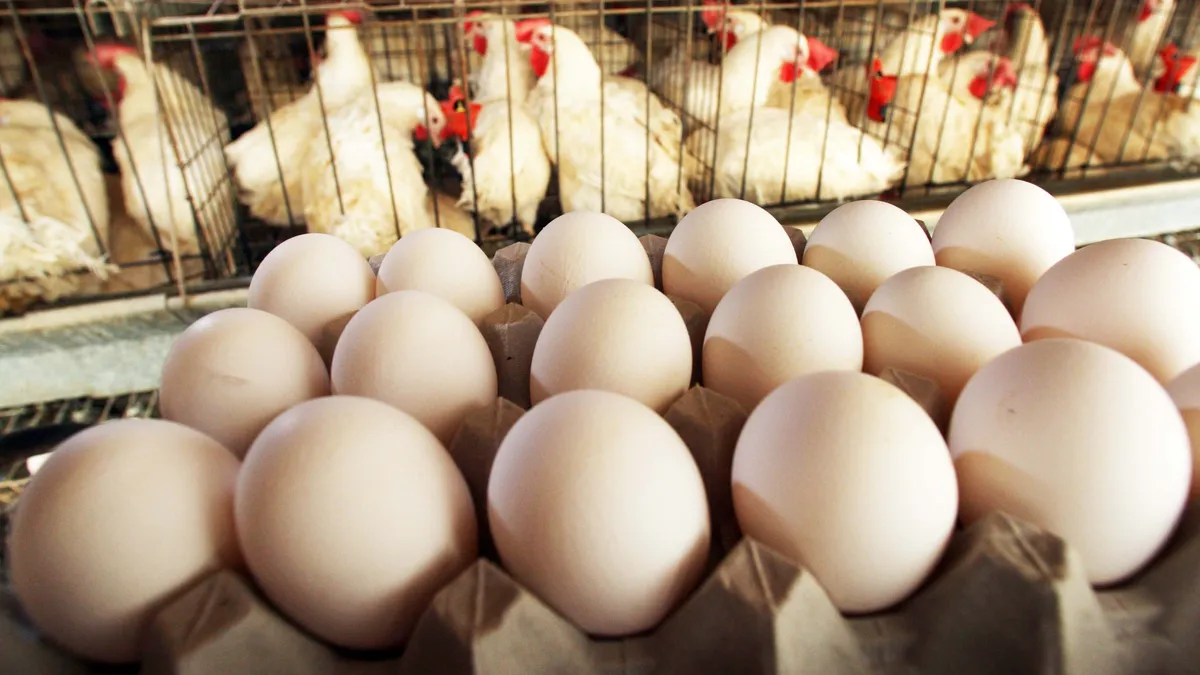
The Importance of Egg Trays in Packaging
Introduction to Egg Trays
Egg trays, also known as egg cartons or egg boxes, are containers specifically designed to hold and protect eggs. These trays come in various sizes and configurations, accommodating different egg quantities. The primary purpose of egg trays is to prevent eggs from cracking or breaking during transportation and storage.
Significance of Secure Packaging
The fragility of eggs makes them susceptible to damage, and proper packaging is essential to ensure that they reach consumers intact. Egg trays provide a protective environment, preventing eggs from hitting each other and absorbing shocks during handling. This not only preserves the integrity of the eggs but also enhances consumer satisfaction.
Design and Materials of Egg Trays
Design Features
Egg trays are ingeniously designed to cradle individual eggs securely. The typical design includes cup-like depressions to hold each egg in place, preventing movement that could lead to breakage. The number of depressions in a tray can vary, with common configurations for 6, 12, or 18 eggs per tray. Usually, use egg carton making machine to make egg trays.
Material Selection
Egg trays are manufactured using different materials, each with its own set of characteristics. Common materials include molded pulp, plastic, and foam. Molded pulp, made from recycled paper, is an eco-friendly option, while plastic and foam trays offer durability and cost-effectiveness.
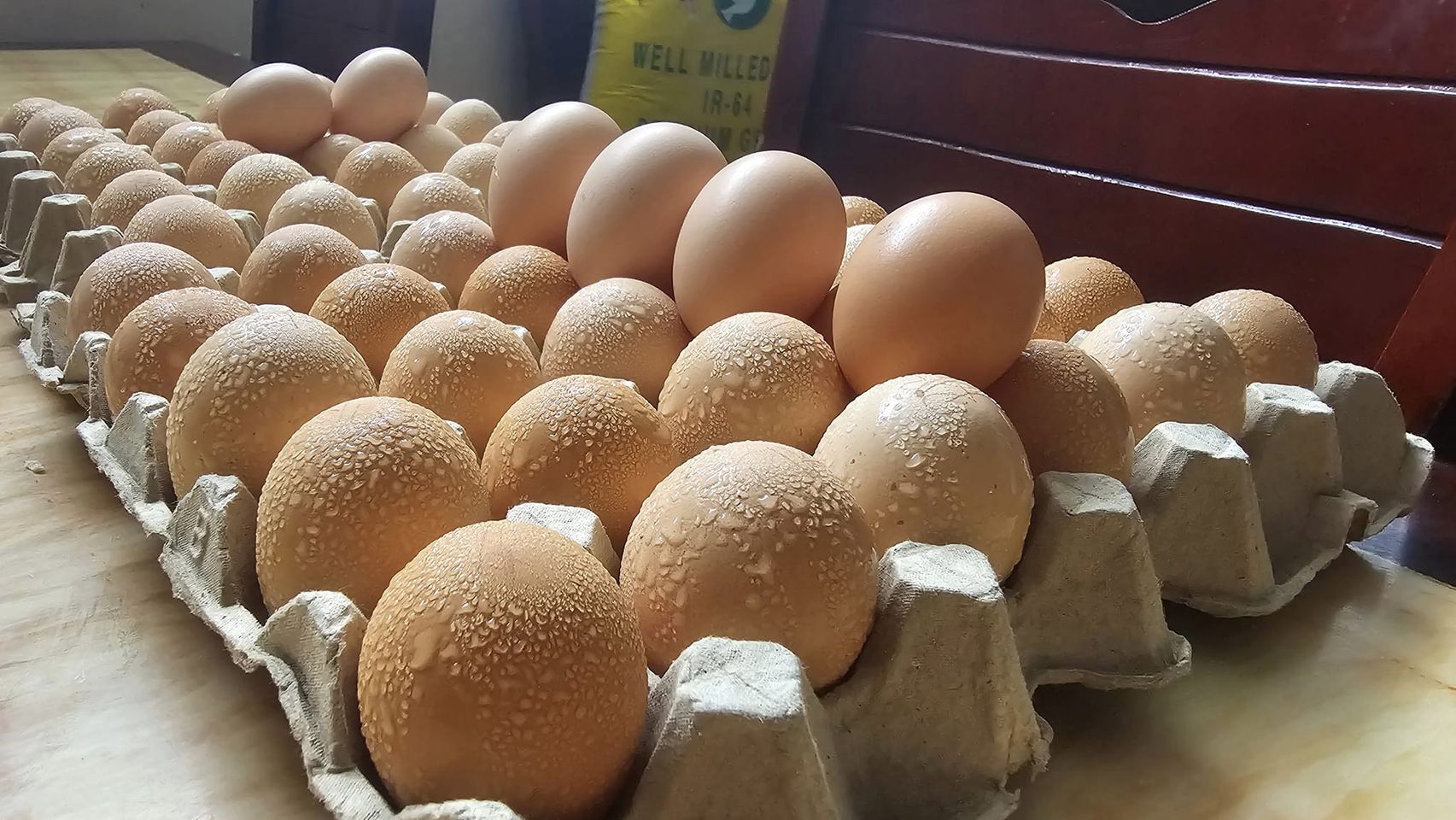
The Manufacturing Process
Molded Pulp Manufacturing
Molded pulp egg trays are created through a sustainable and resource-efficient process. Waste paper, often sourced from recycled materials, is pulped and then molded into the desired tray shape. The trays are then dried to achieve the necessary rigidity. This process not only minimizes waste but also contributes to the circular economy.
Plastic and Foam Manufacturing
Plastic and foam egg trays are typically produced through injection molding or thermoforming processes. These methods allow for the mass production of trays with consistent quality. However, concerns about the environmental impact of plastic trays have led to increased interest in more sustainable alternatives.
Environmental Impact of Egg Trays
Sustainable Practices in Packaging
As environmental awareness grows, there is a rising demand for sustainable packaging solutions. Egg trays made from recycled materials or those that are biodegradable contribute to reducing the environmental footprint of packaging. Consumers are increasingly looking for products that align with their values of sustainability.
Recycling and Disposal
Egg trays made from molded pulp are easily recyclable. They can be placed in recycling bins along with other paper products. Plastic and foam trays, on the other hand, pose challenges in terms of recycling and may contribute to pollution if not disposed of properly. Choosing trays with eco-friendly materials is crucial for minimizing environmental impact.
Choosing the Right Egg Tray
Factors to Consider
When selecting egg trays for packaging, several factors should be taken into account. These include the type of eggs being packaged, the transportation conditions, and the desired level of sustainability. Farmers, distributors, and retailers must weigh these factors to make informed decisions about the most suitable egg tray for their specific needs.
Customization Options
Egg trays can be customized to meet specific requirements. Customization may involve adjustments in size, material, or design to accommodate specialty eggs or enhance branding. The ability to tailor egg trays to individual needs adds versatility to their use in various segments of the egg industry. Get the paper pulp molding machine from the suitable vendor to make trays.
Conclusion
In conclusion, egg trays are indispensable in the packaging of eggs, ensuring that they reach consumers in optimal condition. The design, materials, and manufacturing processes contribute to the effectiveness of these trays in protecting fragile eggs. As the focus on sustainability increases, the choice of eco-friendly materials becomes crucial in minimizing the environmental impact of packaging. By understanding the significance of egg trays and making informed choices, stakeholders in the egg industry can contribute to a more sustainable and resilient packaging ecosystem.