In the modern quest for sustainable energy and efficient biomass utilization, universal carbonization lines have become indispensable tools. These systems are designed to handle diverse raw materials, including coconut shells, wood chips, and rice husks, transforming them into premium charcoal through advanced thermal processes. The versatility of these lines makes them ideal for small-scale operators and industrial producers alike, bridging the gap between environmental responsibility and economic efficiency.
Understanding the Universal Carbonization Process
The success of a universal carbonization machine lies in its adaptable carbonization mechanism. Unlike traditional single-feedstock systems, these lines adjust temperature profiles, airflow, and retention time based on the characteristics of the biomass. Coconut shells, which are dense and rich in lignin, require higher pyrolysis temperatures to achieve thorough carbonization. Wood chips, depending on species, may require moderate heat but longer retention times, while rice husks, being lightweight and porous, carbonize rapidly at lower temperatures. This adaptive approach ensures uniform charcoal quality, high calorific value, and minimal residue.
Furthermore, the carbonization process produces by-products such as syngas and bio-oil. These can be captured and reused as energy sources, reducing the overall energy cost and enhancing the sustainability of operations. By integrating continuous monitoring and advanced control systems, operators can achieve consistent outputs, even when switching between different feedstocks.
Optimizing Feedstock Preparation
Feedstock preparation is crucial for maximizing efficiency and product quality. Each material type requires specific treatment before entering the carbonization line. Coconut shells must be cleaned and sometimes crushed to reduce size, ensuring even heat penetration. Wood chips often need drying, especially when sourced from fresh timber, to reduce moisture content below 15% for optimal carbonization. Rice husks, due to their light and fluffy nature, benefit from densification through pelletizing or briquetting to allow controlled heating and prevent dust dispersion.
Investing in a comprehensive feedstock preparation system not only improves thermal efficiency but also reduces biochar equipment wear and tear. Properly prepared feedstocks minimize clumping, avoid incomplete carbonization, and ensure a consistent particle size distribution, which is critical for producing uniform charcoal suitable for industrial or household use.
Advanced Control and Automation
Modern universal carbonization lines are equipped with sophisticated automation systems. These automated carbonization units continuously monitor temperature, pressure, and gas composition in real-time. Advanced PLC (Programmable Logic Controller) systems allow operators to pre-program carbonization cycles for each type of feedstock, enabling seamless switching between coconut shells, wood chips, and rice husks without downtime of charcoal machine.
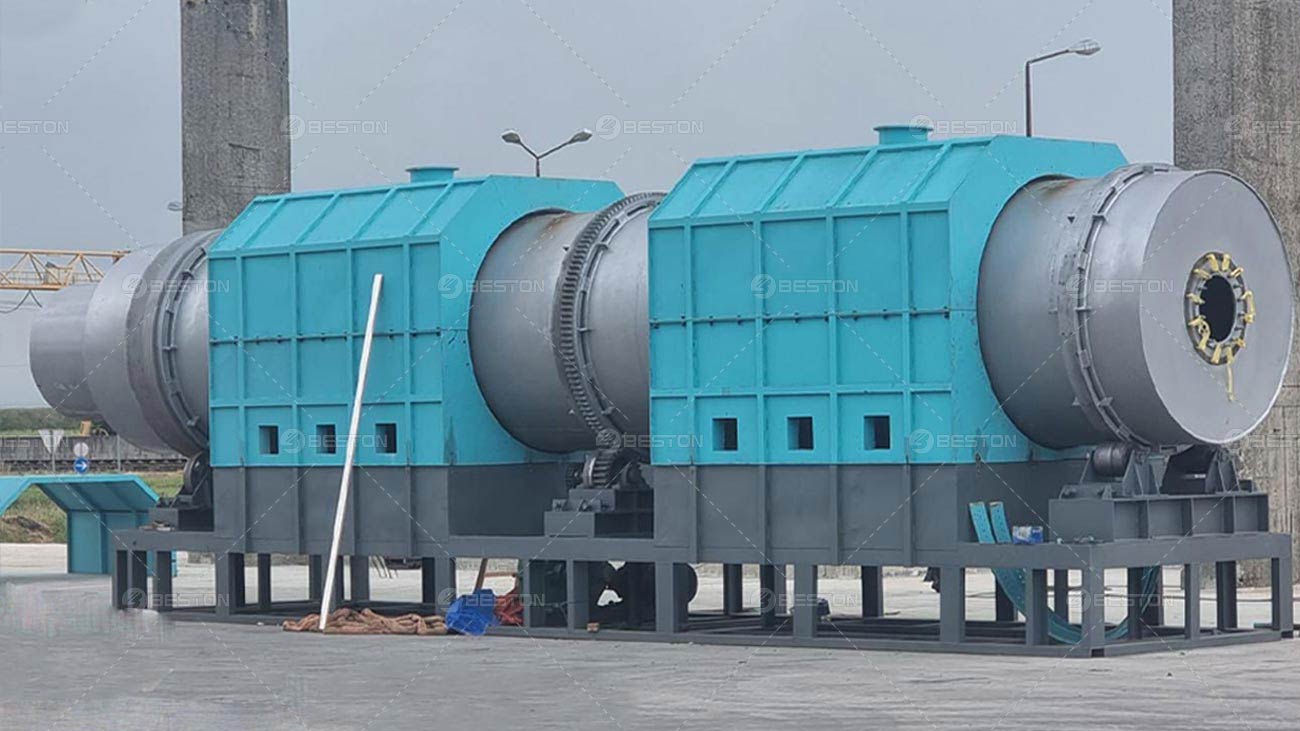
Automation also helps in controlling emission levels by regulating airflow and combustion intensity. For instance, coconut shells may release more volatile gases that require proper venting and combustion, while rice husks produce fine ash that must be managed to avoid clogging. With real-time data logging, operators can optimize energy consumption and charcoal yield, ensuring both environmental compliance and economic efficiency.
Energy Recovery and Environmental Sustainability
One of the standout features of universal carbonization lines is their ability to recover energy from pyrolysis gases and smoke. These systems capture heat from flue gases, which can be recycled to preheat incoming biomass, reducing overall fuel consumption. Some advanced lines even convert captured syngas into electricity or thermal energy, further enhancing operational efficiency.
By integrating sustainable carbonization techniques, operators can significantly reduce greenhouse gas emissions and lower the carbon footprint of charcoal production. This is particularly important for industries that seek to meet international sustainability standards and appeal to environmentally conscious consumers.
Practical Applications and Market Potential
Charcoal produced from coconut shells, wood chips, and rice husk charcoal machine is highly versatile. Coconut shell charcoal is valued for its hardness and high calorific value, making it ideal for barbecue use and industrial applications. Wood chip charcoal is used in metal smelting, energy production, and as an activated carbon precursor. Rice husk charcoal, being lightweight and porous, is excellent for soil improvement, water filtration, and as a renewable energy source in domestic stoves.
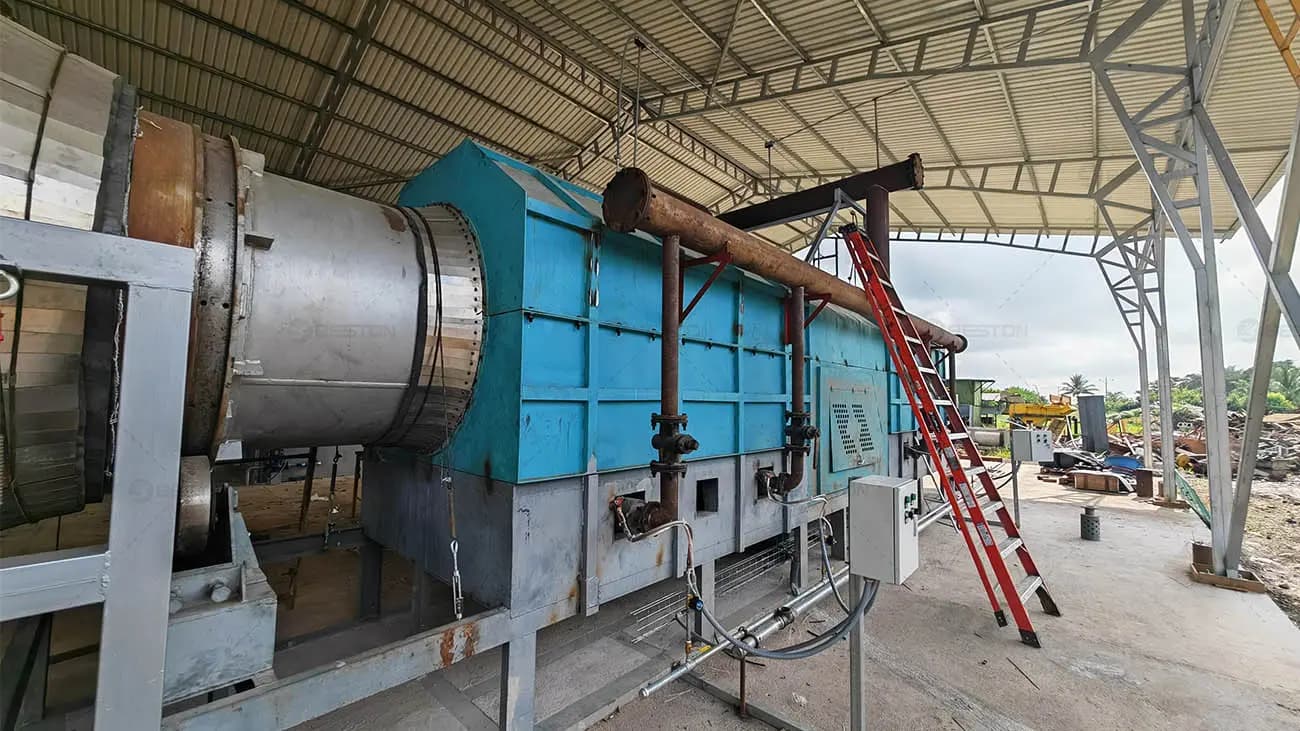
The market for biomass charcoal is growing rapidly, driven by environmental awareness and the shift toward renewable energy. Implementing a universal carbonization line allows businesses to diversify their product portfolio, cater to different market segments, and increase profitability by efficiently using locally available biomass resources.
Conclusion
Universal carbonization lines offer a transformative solution for converting coconut shells, wood chips, and rice husks into high-quality charcoal. By combining precise feedstock preparation, adaptive thermal control, advanced automation, and energy recovery, these systems ensure maximum efficiency, environmental sustainability, and consistent product quality. For industries aiming to meet the rising demand for eco-friendly fuel and renewable resources, investing in a universal carbonization line represents a strategic move toward innovation and sustainability, turning agricultural and forestry residues into valuable energy products.