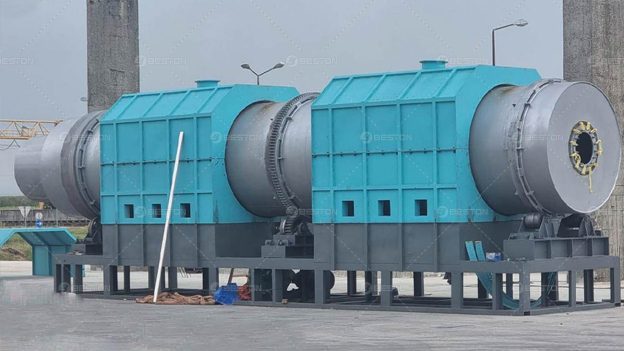
Mastering the Universal Carbonization Line: From Coconut Shells to Wood Chips and Rice Husks

In the modern quest for sustainable energy and efficient biomass utilization, universal carbonization lines have become indispensable tools. These systems are designed to handle diverse raw materials, including coconut shells, wood chips, and rice husks, transforming them into premium charcoal through advanced thermal processes. The versatility of these lines makes them ideal for small-scale operators and industrial producers alike, bridging the gap between environmental responsibility and economic efficiency.

Understanding the Universal Carbonization Process

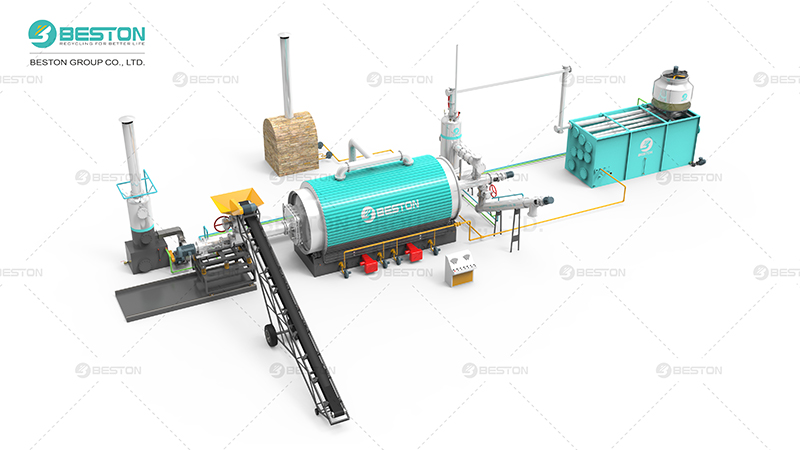
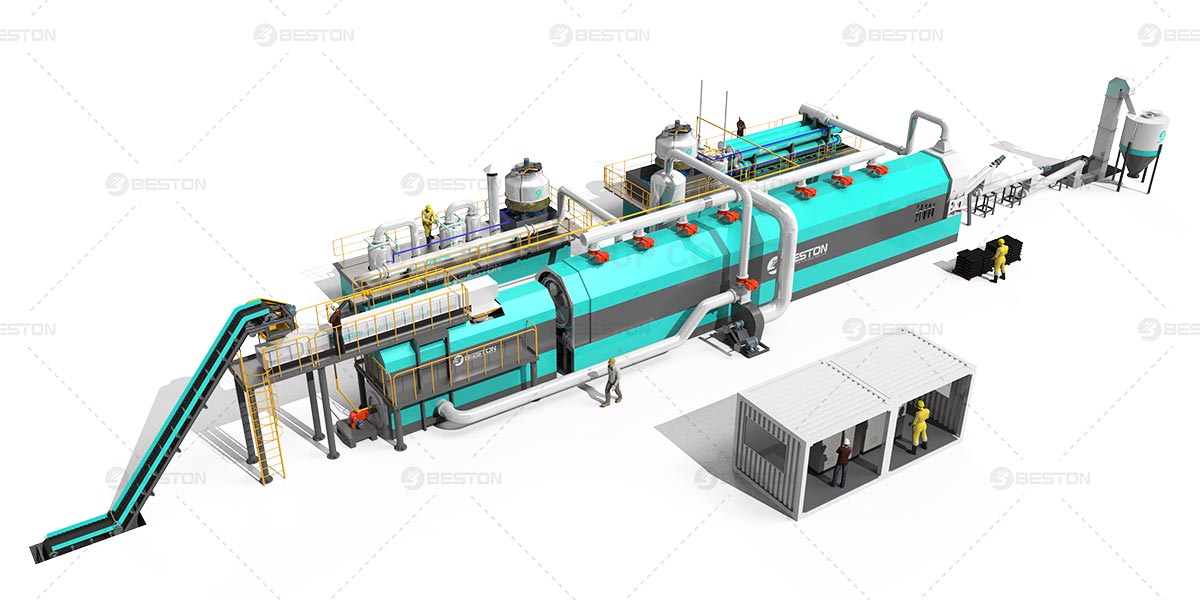
The success of a universal carbonization machine lies in its adaptable carbonization mechanism. Unlike traditional single-feedstock systems, these lines adjust temperature profiles, airflow, and retention time based on the characteristics of the biomass. Coconut shells, which are dense and rich in lignin, require higher pyrolysis temperatures to achieve thorough carbonization. Wood chips, depending on species, may require moderate heat but longer retention times, while rice husks, being lightweight and porous, carbonize rapidly at lower temperatures. This adaptive approach ensures uniform charcoal quality, high calorific value, and minimal residue.

Furthermore, the carbonization process produces by-products such as syngas and bio-oil. These can be captured and reused as energy sources, reducing the overall energy cost and enhancing the sustainability of operations. By integrating continuous monitoring and advanced control systems, operators can achieve consistent outputs, even when switching between different feedstocks.

Optimizing Feedstock Preparation

Feedstock preparation is crucial for maximizing efficiency and product quality. Each material type requires specific treatment before entering the carbonization line. Coconut shells must be cleaned and sometimes crushed to reduce size, ensuring even heat penetration. Wood chips often need drying, especially when sourced from fresh timber, to reduce moisture content below 15% for optimal carbonization. Rice husks, due to their light and fluffy nature, benefit from densification through pelletizing or briquetting to allow controlled heating and prevent dust dispersion.

Investing in a comprehensive feedstock preparation system not only improves thermal efficiency but also reduces biochar equipment wear and tear. Properly prepared feedstocks minimize clumping, avoid incomplete carbonization, and ensure a consistent particle size distribution, which is critical for producing uniform charcoal suitable for industrial or household use.

Advanced Control and Automation

Modern universal carbonization lines are equipped with sophisticated automation systems. These automated carbonization units continuously monitor temperature, pressure, and gas composition in real-time. Advanced PLC (Programmable Logic Controller) systems allow operators to pre-program carbonization cycles for each type of feedstock, enabling seamless switching between coconut shells, wood chips, and rice husks without downtime of charcoal machine.

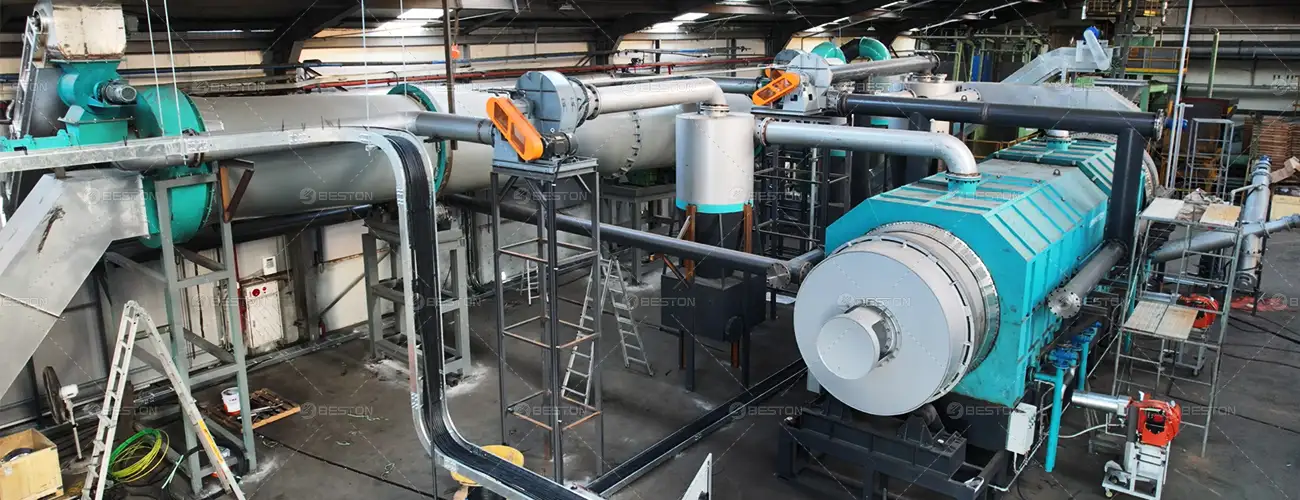
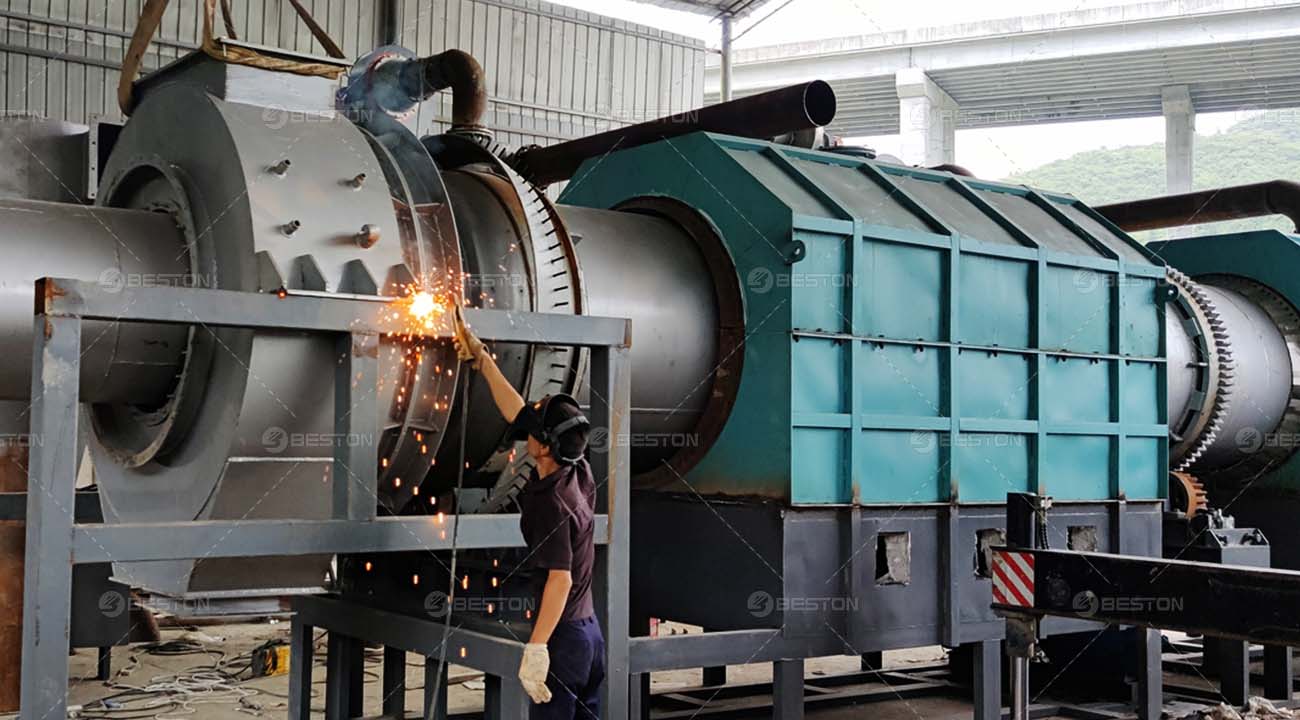
BST-50-Wood-Charcoal-Machine-for-Sale

Automation also helps in controlling emission levels by regulating airflow and combustion intensity. For instance, coconut shells may release more volatile gases that require proper venting and combustion, while rice husks produce fine ash that must be managed to avoid clogging. With real-time data logging, operators can optimize energy consumption and charcoal yield, ensuring both environmental compliance and economic efficiency.

Energy Recovery and Environmental Sustainability

One of the standout features of universal carbonization lines is their ability to recover energy from pyrolysis gases and smoke. These systems capture heat from flue gases, which can be recycled to preheat incoming biomass, reducing overall fuel consumption. Some advanced lines even convert captured syngas into electricity or thermal energy, further enhancing operational efficiency.

By integrating sustainable carbonization techniques, operators can significantly reduce greenhouse gas emissions and lower the carbon footprint of charcoal production. This is particularly important for industries that seek to meet international sustainability standards and appeal to environmentally conscious consumers.

Practical Applications and Market Potential

Charcoal produced from coconut shells, wood chips, and rice husk charcoal machine is highly versatile. Coconut shell charcoal is valued for its hardness and high calorific value, making it ideal for barbecue use and industrial applications. Wood chip charcoal is used in metal smelting, energy production, and as an activated carbon precursor. Rice husk charcoal, being lightweight and porous, is excellent for soil improvement, water filtration, and as a renewable energy source in domestic stoves.

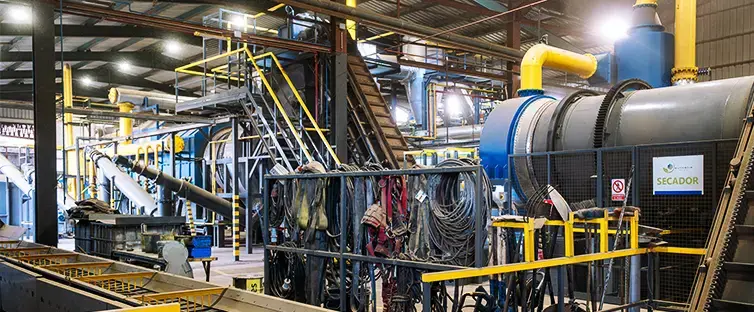
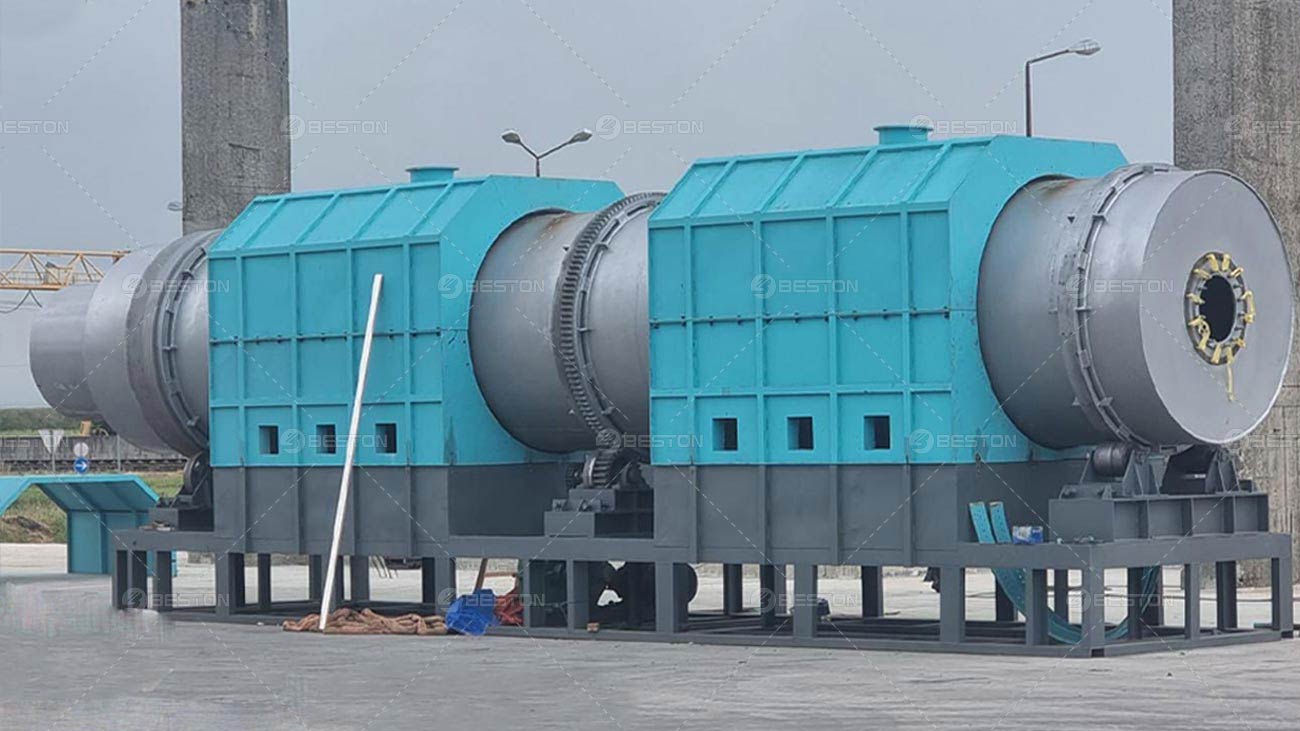
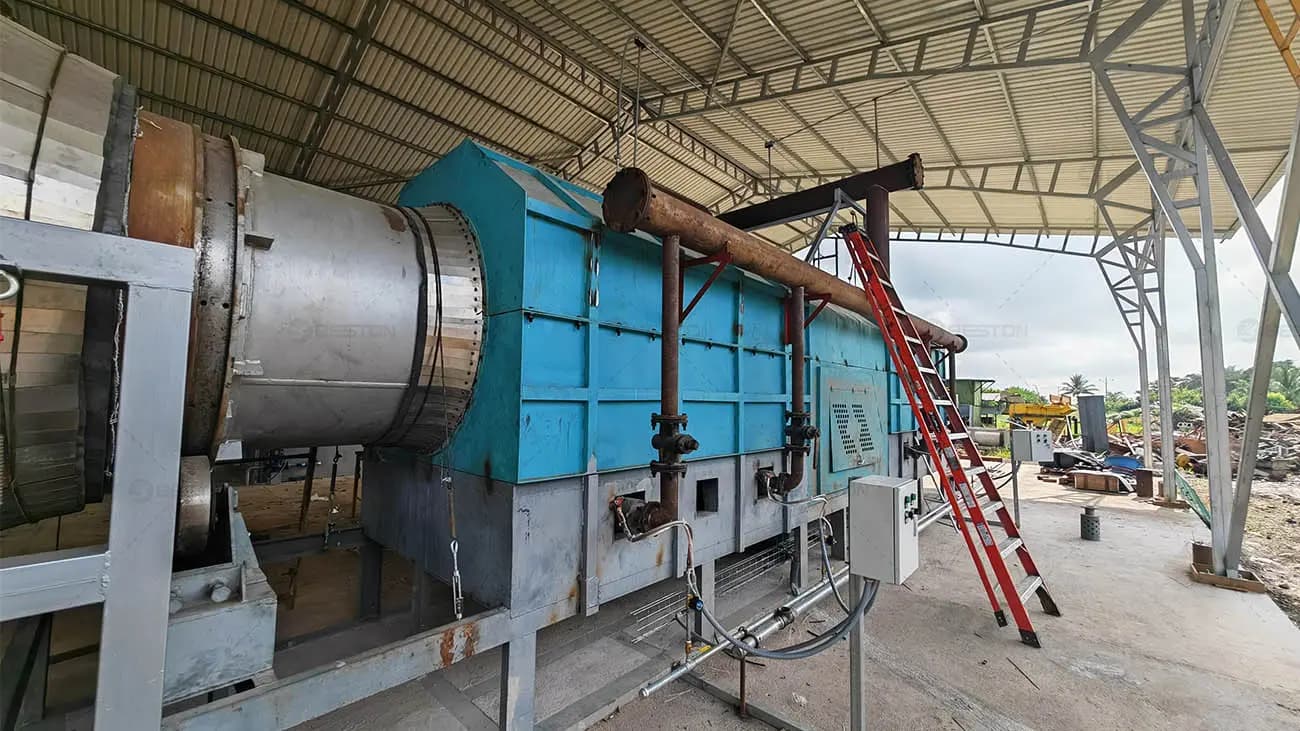
Rice Hull Carbonizer in Costa Rica

The market for biomass charcoal is growing rapidly, driven by environmental awareness and the shift toward renewable energy. Implementing a universal carbonization line allows businesses to diversify their product portfolio, cater to different market segments, and increase profitability by efficiently using locally available biomass resources.

Conclusion

Universal carbonization lines offer a transformative solution for converting coconut shells, wood chips, and rice husks into high-quality charcoal. By combining precise feedstock preparation, adaptive thermal control, advanced automation, and energy recovery, these systems ensure maximum efficiency, environmental sustainability, and consistent product quality. For industries aiming to meet the rising demand for eco-friendly fuel and renewable resources, investing in a universal carbonization line represents a strategic move toward innovation and sustainability, turning agricultural and forestry residues into valuable energy products.

Maximizing Resource Recovery: A Comprehensive Project Report on Tyre and Plastic Pyrolysis Plant

In an era defined by escalating waste generation and the urgent need for circular economy solutions, pyrolysis technology has emerged as a transformative force. Converting discarded tyres and plastics into valuable commodities like fuel oil, carbon black, and steel wire is no longer a distant vision — it is a profitable and environmentally sound reality. For entrepreneurs and investors, understanding the technical and financial landscape is paramount. This article explores the core elements of establishing a successful pyrolysis operation, offering detailed insights derived from industry benchmarks and feasibility studies.

1. Feasibility and Financial Metrics: The Tyre Pyrolysis Plant Project Report

Before breaking ground, any prudent investor seeks a robust framework that outlines capital expenditure, operational costs, revenue streams, and payback periods. A meticulously prepared tyre pyrolysis plant project report serves as that blueprint. It typically begins with feedstock analysis — assessing the availability and quality of end-of-life tyres in the target region. The document then details the machinery specifications, including reactor size, batch or continuous operation mode, and emission control systems. Financial modelling within the report will project cash flows based on oil yield (usually 35–45% from tyres), carbon black prices, and scrap steel value. Crucially, it also covers site requirements, utility consumption (water, electricity, fuel), and labour needs. Lenders and partners rely on such reports to validate the venture’s sustainability and profitability, transforming conceptual ideas into bankable projects. Understanding these granular details mitigates risks and sets realistic milestones for construction and ramp-up.

2. Adapting the Model for Polymer Waste: Plastic Pyrolysis Plant Project Report

While similar in thermodynamic principle, processing plastic waste introduces distinct challenges and opportunities compared to tyres. Mixed plastics, particularly those containing PVC or PET, require careful pre-treatment to avoid corrosive by-products and ensure consistent oil quality. A dedicated plastic pyrolysis plant project report addresses these nuances head-on. It emphasizes feedstock sorting and washing systems, catalyst selection to optimize diesel-range output, and reactor designs that accommodate the lower melting points of plastics. From a commercial perspective, the report highlights that plastic-derived oil often commands a premium due to its higher calorific value and lower sulphur content. Furthermore, the by-product — hydrocarbon gas — can be recycled to heat the reactor, improving energy autonomy. Investors use this report to compare yield scenarios (often 40–75% oil depending on plastic type) and evaluate environmental compliance, particularly regarding dioxin prevention. It is an indispensable tool for tailoring the plant to local plastic waste streams and end-market specifications.

3. Core Technology and Operational Dynamics of a Pyrolysis Machine

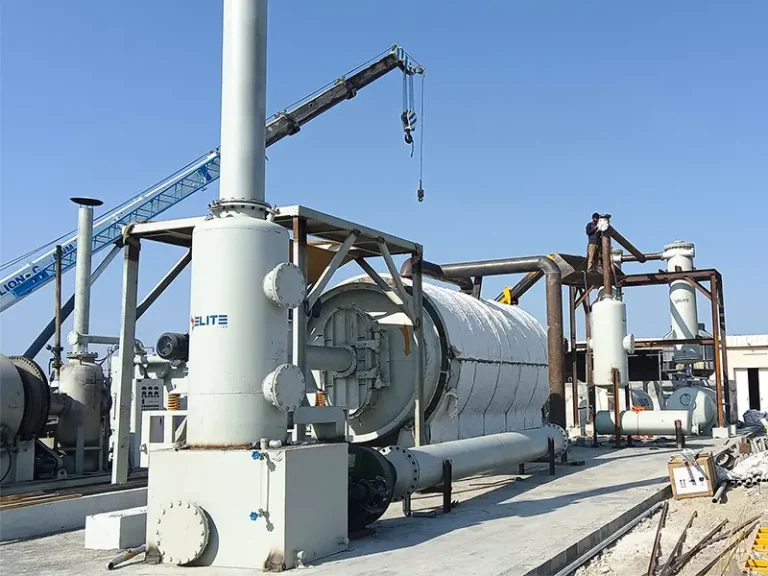
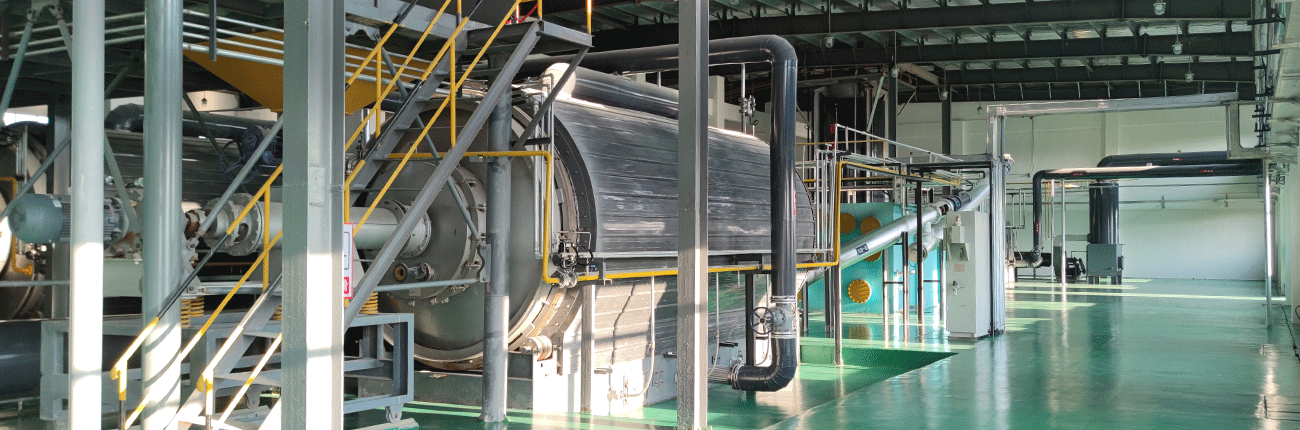
At the heart of every successful recycling installation lies the primary equipment: the reactor and its integrated systems. A modern pyrolysis machine is far more than a heated vessel; it is a sophisticated assembly of feeding mechanisms, high-temperature rotating reactors (typically 350–500°C), condensing towers, and safe discharge units for solids. The machine’s efficiency dictates the entire plant’s economics. Advanced models feature automatic slag removal, which minimizes downtime, and multi-stage cooling to maximize condensate recovery. Safety is paramount: pressure sensors, temperature controls, and explosion-proof seals are standard in reputable configurations. Additionally, the machine’s environmental footprint is mitigated by dedicated gas cleaning systems — such as ceramic ring filters and spray scrubbers — that neutralize particulates and acid gases before emission. When evaluating suppliers, operators examine the metallurgy of the reactor (stainless steel or boiler plate) and the automation level, as these directly influence maintenance intervals and overall equipment effectiveness (OEE). Choosing the right machine is synonymous with choosing long-term reliability and regulatory peace of mind.

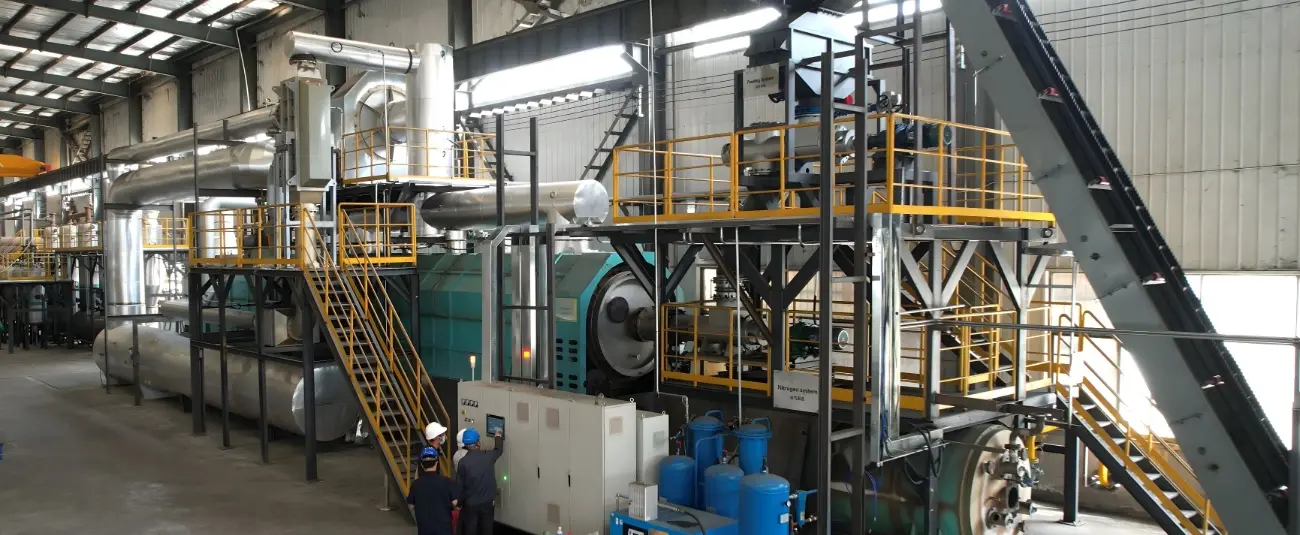
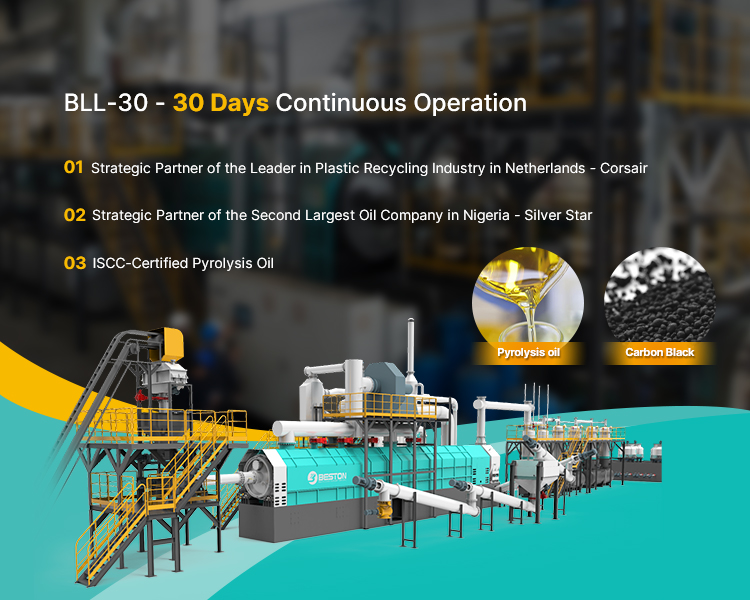
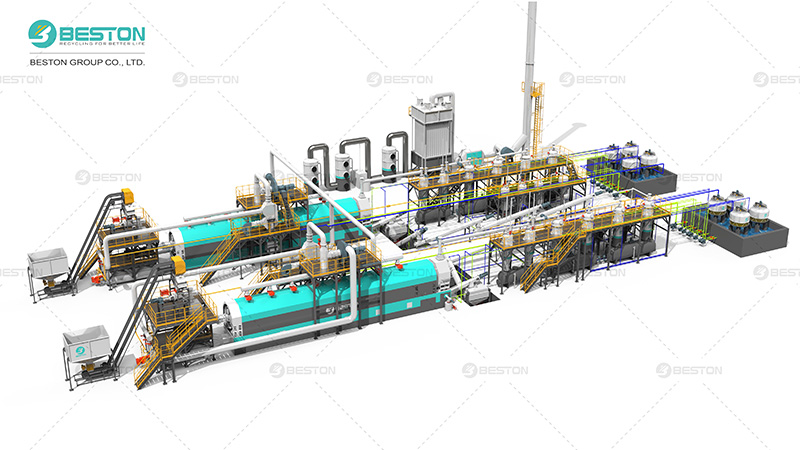
Continuous Pyrolysis Plant

4. Strategic Partnership and Industry Leadership

Navigating the complexities of project implementation, from land acquisition to final commissioning, often requires a partner with deep domain expertise and global reach. Collaborating with an established manufacturer provides access to proven technology, turnkey installation services, and after-sales support. Companies that have delivered hundreds of units across continents understand regional regulatory frameworks and can customize solutions accordingly. One such entity, Beston Group Co., Ltd., has solidified its reputation by offering comprehensive solutions that span the entire project lifecycle. Their involvement typically includes raw material testing, process design, on-site assembly supervision, and operator training. This holistic approach ensures that the pyrolysis machine integrates seamlessly with upstream waste collection and downstream product offtake. For entrepreneurs, aligning with a partner of this caliber reduces technological risk and accelerates the learning curve, allowing them to focus on business development and feedstock logistics while the equipment performs at peak efficiency.

Conclusion: Turning Waste Streams into Value Streams

The journey from waste tyre and plastic piles to profitable commodities is paved with diligent planning, robust technology, and strategic partnerships. The foundational documents — whether a tyre pyrolysis plant project report or a plastic-focused counterpart — provide the critical roadmap that aligns financial expectations with technical realities. Selecting a high-performance pyrolysis machine ensures operational continuity and environmental compliance, while teaming with an industry leader like Beston Group Co., Ltd. offers the backing needed to navigate market fluctuations. As global policies tighten around landfill diversion and renewable fuels, the pyrolysis sector stands ready for exponential growth. For those prepared to invest in thorough preparation and quality equipment, the returns — both financial and ecological — are substantial and enduring.

The Difference Between Tire Pyrolysis and Oil Sludge Pyrolysis

Pyrolysis, a thermochemical decomposition of organic material in the absence of oxygen, has garnered significant attention as an efficient method for waste management and energy recovery. Two prominent applications of pyrolysis are the treatment of end-of-life tires and oil sludge. While both processes share the fundamental principle of converting waste into valuable by-products, the nature of the feedstock and the resulting outputs introduce distinct differences. Understanding these differences is crucial for optimizing the process, selecting appropriate equipment, and evaluating the environmental and economic benefits of each method.

Pyrolysis Plant to Process Tyre and Oil Sludge

Feedstock Characteristics

The first and most apparent difference between tire pyrolysis and oil sludge pyrolysis lies in the composition and properties of the feedstock.

Tires are primarily composed of natural and synthetic rubber, carbon black, steel, fabric, and various additives. These materials are non-biodegradable, making tires a persistent environmental pollutant if not properly managed. The high rubber content in tires, which is predominantly a polymer, requires specific conditions to break down efficiently during tyre pyrolysis plant.

In contrast, oil sludge is a semi-solid waste by-product of oil refining, drilling, and storage. It contains a complex mixture of hydrocarbons, water, heavy metals, and inorganic solids. The composition of oil sludge can vary significantly depending on its origin, with some sludge being more water-rich and others containing a higher concentration of heavy hydrocarbons and metals. This variability necessitates careful analysis and treatment to optimize the pyrolysis process.

Pyrolysis Process Parameters

The pyrolysis of tires and oil sludge requires different process parameters to maximize yield and quality of the end products.

Tire pyrolysis typically operates at temperatures between 350°C and 500°C. The rubber polymers break down into smaller hydrocarbons, producing a mixture of gases, oils, and a solid residue known as char. The presence of sulfur in tires, used to vulcanize the rubber, results in the formation of sulfur-containing compounds during pyrolysis. Managing these compounds is essential to prevent environmental pollution and to produce high-quality pyrolysis oil.

Through oil sludge pyrolysis plant, on the other hand, generally occurs at higher temperatures, ranging from 400°C to 600°C. The higher temperature is necessary to break down the more complex hydrocarbon chains and to volatilize the water content present in the sludge. The process also requires more precise control to handle the varying compositions of the feedstock, particularly when heavy metals are present. These metals can catalyze secondary reactions or contaminate the final products if not properly managed.

By-Products and Their Utilization

The by-products of tire pyrolysis and oil sludge pyrolysis differ significantly, both in composition and potential applications.

Tire pyrolysis produces pyrolysis oil, carbon black, steel, and gases. The pyrolysis oil derived from tires is a mixture of light and heavy hydrocarbons, which can be further refined into fuels or used as a feedstock for chemical production. Carbon black, a fine carbon powder used in the production of rubber, plastics, and inks, is a valuable by-product that can be reused in various industries. The steel extracted from the pyrolysis process is typically recycled in the steel industry. The gases generated are often utilized as a source of energy to sustain the pyrolysis process, enhancing overall efficiency.

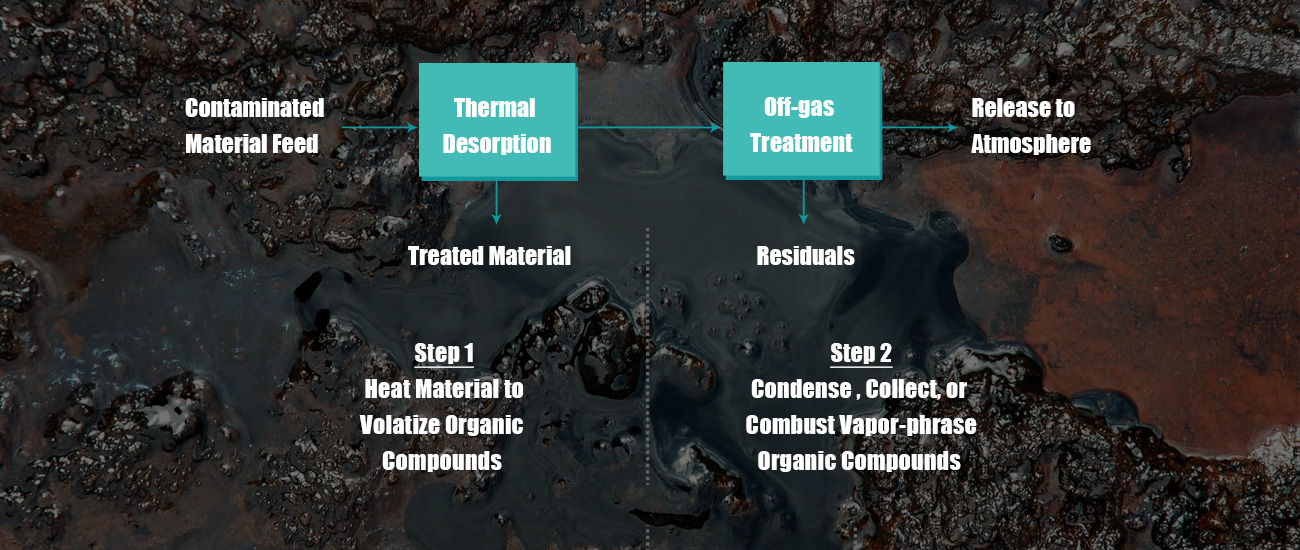
In thermal desorption system, the primary products are pyrolysis oil, water, and a solid residue containing inorganic materials and heavy metals. The pyrolysis oil from oil sludge is more viscous and contains higher concentrations of heavy hydrocarbons compared to tire-derived oil. It can be used as a heavy fuel oil or further refined. The water content, once separated, can be treated and possibly reused within the refinery or disposed of following environmental regulations. The solid residue often requires further treatment due to the presence of heavy metals, which can be extracted for recovery or stabilized to prevent environmental contamination.

Environmental and Economic Considerations

The environmental impact of pyrolysis processes is a critical factor in their adoption and scalability.

Tire pyrolysis is often seen as a more environmentally friendly alternative to traditional tire disposal methods, such as landfilling or incineration. By converting waste tires into reusable materials and energy, tire pyrolysis reduces the environmental burden of tire waste. However, the emission of sulfur compounds and the potential release of toxic gases during the process require stringent emission controls.

Oil sludge pyrolysis also presents an opportunity to reduce the environmental impact of oil refining waste. The process minimizes the volume of hazardous waste, reduces the need for landfilling, and recovers valuable hydrocarbons. However, the variability in oil sludge composition and the presence of heavy metals pose challenges in ensuring the process is both efficient and environmentally sound. Proper handling of by-products, particularly the solid residue, is essential to prevent secondary pollution. Please consult Beston Group for more information on oil sludge recycling.

Pyrolysis Plant with Eco-friendly Design

Economically, both tire and oil sludge pyrolysis offer potential revenue streams from the sale of recovered products, such as pyrolysis oil and carbon black. However, the initial capital investment, operational costs, and market demand for the by-products play a significant role in determining the overall viability of these processes.

Conclusion

While tire pyrolysis and oil sludge pyrolysis share the core principle of waste conversion through thermal decomposition, the differences in feedstock composition, process parameters, and by-products are substantial. These distinctions necessitate tailored approaches to each process to optimize efficiency, product quality, and environmental compliance. As pyrolysis technology continues to evolve, understanding these nuances will be critical in advancing waste management strategies and contributing to a more sustainable future.

Revolutionizing Waste Management: The Advantages of Continuous Tyre Pyrolysis Plants

Introduction:

In the face of escalating environmental concerns and the urgent need for sustainable waste management solutions, innovative technologies such as continuous tyre pyrolysis plants have emerged as promising alternatives. These plants represent a significant step towards addressing the global challenge of tyre waste while harnessing valuable resources from discarded materials. In this article, we delve into the workings of continuous tyre pyrolysis plant and explore their numerous advantages in transforming waste tyres into valuable commodities.

Understanding Continuous Tyre Pyrolysis Plants:

Continuous tyre pyrolysis plants are advanced facilities designed to convert waste tyres into useful products through a thermal decomposition process known as pyrolysis. Unlike traditional batch pyrolysis systems, which operate intermittently, continuous plants offer a continuous and uninterrupted process flow, enabling higher throughput and efficiency.

The Process:

The process begins with the feeding of waste tyres into a pre-treatment area, where they are shredded or chopped into smaller pieces to enhance pyrolysis efficiency. These tyre pieces are then fed into a pyrolysis reactor, where they undergo controlled heating in the absence of oxygen. This thermal decomposition leads to the breakdown of complex hydrocarbons present in tyres into simpler molecules such as pyrolysis oil, carbon black, and gases like methane and hydrogen. Get pyrolysis plant cost here.

Advantages of Continuous Tyre Pyrolysis Plants:

  1. High Efficiency and Throughput: Continuous tyre pyrolysis plants offer significantly higher efficiency and throughput compared to batch systems. The continuous process flow allows for uninterrupted operation, minimizing downtime and maximizing productivity. This high throughput capability enables the processing of large quantities of waste tyres, thereby contributing to effective waste management on a larger scale.
  2. Energy Recovery and Resource Utilization: One of the primary advantages of continuous tyre pyrolysis plants is the recovery of valuable resources from waste tyres. Pyrolysis oil obtained from the process can be utilized as a fuel source for various industrial applications or further refined into high-quality fuels like diesel or gasoline. Carbon black, another byproduct of pyrolysis, can be used as a reinforcing agent in rubber and plastic manufacturing or as a pigment in ink and paint industries. Additionally, the gases produced during pyrolysis can be utilized to generate heat or electricity, further enhancing the energy recovery potential of the process.
  3. Environmental Sustainability: Continuous tyre pyrolysis plants contribute to environmental sustainability by diverting waste tyres from landfills and illegal dumping sites, thereby reducing soil and water pollution. The conversion of waste tyres into valuable products through pyrolysis also helps mitigate the environmental impact associated with conventional disposal methods such as incineration or landfilling. Furthermore, the utilization of pyrolysis oil and gases as alternative fuel sources can reduce reliance on fossil fuels, leading to lower greenhouse gas emissions and mitigating climate change. Compare the small pyrolysis machine here.
  4. Versatility and Adaptability: Continuous tyre pyrolysis plants are versatile in their ability to process various types of waste tyres, including passenger car tyres, truck tyres, and even industrial tyres. This versatility allows for the efficient utilization of diverse tyre waste streams, regardless of size or composition. Moreover, continuous plants can be adapted to accommodate changes in feedstock characteristics or processing requirements, ensuring operational flexibility and optimization.

Conclusion:

Continuous tyre pyrolysis plants represent a significant advancement in waste-to-resource technology, offering numerous advantages in terms of efficiency, resource utilization, environmental sustainability, and versatility. By harnessing the potential of thermal decomposition, these plants enable the transformation of waste tyres into valuable commodities while mitigating environmental pollution and contributing to a circular economy. As the demand for sustainable waste management solutions continues to rise, continuous tyre pyrolysis plants stand poised to play a pivotal role in revolutionizing the way we manage and utilize waste tyres. More information about Beston Group here.

Investment Strategy for Coconut Shell Charcoal Making Machine

Investing in a coconut shell charcoal making machine can be a lucrative opportunity for entrepreneurs seeking to capitalize on the growing demand for sustainable and renewable energy sources. However, navigating the complexities of the industry requires a strategic approach to maximize returns and mitigate risks. In this article, we’ll explore key investment strategies for coconut shell charcoal making machine ventures, offering insights into market dynamics, operational considerations, and financial planning.

Beston BST-50 Biomass Charcoal Making Machine

Market Analysis and Demand Forecast

Before making any investment decisions, it’s essential to conduct a thorough analysis of the market for coconut shell charcoal and assess demand dynamics. Evaluate factors such as market size, growth trends, competitive landscape, and regulatory environment. Identify target markets and customer segments to gauge potential demand for coconut shell charcoal making machine products. Additionally, consider emerging trends in sustainable energy and environmental conservation that could drive demand for renewable charcoal alternatives.

Technology Evaluation and Selection

Invest in coconut shell charcoal making machine that utilizes advanced technology and offer efficient and cost-effective charcoal production processes. Evaluate different types of machines, such as rotary kilns, continuous carbonization furnaces, or biomass pyrolysis reactors, based on factors like capacity, energy efficiency, and product quality. Choose a machine that aligns with your production goals, budget, and long-term growth strategy.

Feedstock Sourcing and Supply Chain Management

Ensure a reliable and sustainable supply of coconut shells, the primary raw material for charcoal production. Establish partnerships with coconut processing facilities, agricultural cooperatives, or local farmers to secure a consistent supply of coconut shells at competitive prices. Implement effective supply chain management practices to optimize logistics, minimize transportation costs, and mitigate supply chain risks. Explore opportunities for vertical integration or backward integration to secure control over feedstock sourcing and enhance operational efficiency.

Operational Optimization and Process Efficiency

Focus on optimizing operational processes and maximizing the efficiency of coconut shell charcoal making machine for sale operations. Invest in training programs for machine operators and maintenance personnel to ensure proper operation and maintenance of equipment. Implement quality control measures to monitor product consistency and adherence to specifications. Explore opportunities for process automation and digitalization to streamline production processes, reduce labor costs, and improve overall efficiency.

Regulatory Compliance and Environmental Sustainability

Stay informed about regulatory requirements and environmental standards governing charcoal production and biomass utilization. Ensure compliance with local, state, and federal regulations related to air emissions, waste management, and occupational health and safety. Implement sustainable practices such as carbon offsetting, reforestation initiatives, or waste recycling to mitigate environmental impact and enhance the sustainability of charcoal production operations. Engage with regulatory agencies, industry associations, and stakeholders to stay abreast of regulatory developments and industry best practices.

Financial Planning and Risk Management

Develop a comprehensive financial plan that encompasses capital investment, operating expenses, revenue projections, and return on investment analysis. Consider factors such as equipment costs, labor expenses, raw material procurement, marketing expenses, and sales forecasts when estimating financial performance. Conduct sensitivity analysis to assess the impact of variable market conditions, production volumes, and input costs on financial outcomes. Implement risk management strategies to mitigate potential risks such as market volatility, supply chain disruptions, or regulatory changes. Explore financing options such as bank loans, venture capital, or government grants to fund capital investments and operational expenses. In order to minimize investment risks, a reliable coconut shell charcoal project solution provider is critical. As a leader in the recycling industry, Beston Company is absolutely trustworthy.

Biochar Machine

Market Differentiation and Brand Building

Differentiate your coconut shell charcoal products in the market by focusing on quality, sustainability, and value-added features. Highlight the unique characteristics of your charcoal, such as high carbon content, low ash content, or specific applications for cooking, grilling, or industrial use. Invest in branding and marketing initiatives to raise awareness of your brand and build a loyal customer base. Leverage digital marketing channels, social media platforms, and e-commerce platforms to reach target audiences and showcase the benefits of your charcoal products. Engage with customers through educational content, product demonstrations, and customer testimonials to build trust and credibility in the market.

Conclusion

Investing in a coconut shell charcoal making machine requires careful planning, market analysis, and strategic decision-making. By following a systematic approach and implementing sound investment strategies, entrepreneurs can capitalize on the growing demand for sustainable charcoal alternatives and create a successful and profitable venture. With a focus on technology, operational efficiency, regulatory compliance, and market differentiation, investing in coconut shell charcoal making machines holds the potential to yield significant returns while contributing to environmental conservation and sustainable development.

Exploring the World of Egg Trays in Securing Quality and Sustainability

Egg trays play a crucial role in the packaging industry, providing a secure and efficient solution for transporting and storing eggs. These trays are designed to protect eggs from breakage and damage during transit, ensuring that consumers receive high-quality eggs in pristine condition. In this comprehensive post, we will delve into the various aspects of egg trays, including their design, materials, manufacturing process, environmental impact, and the importance of choosing the right egg tray for packaging by egg tray making machine.

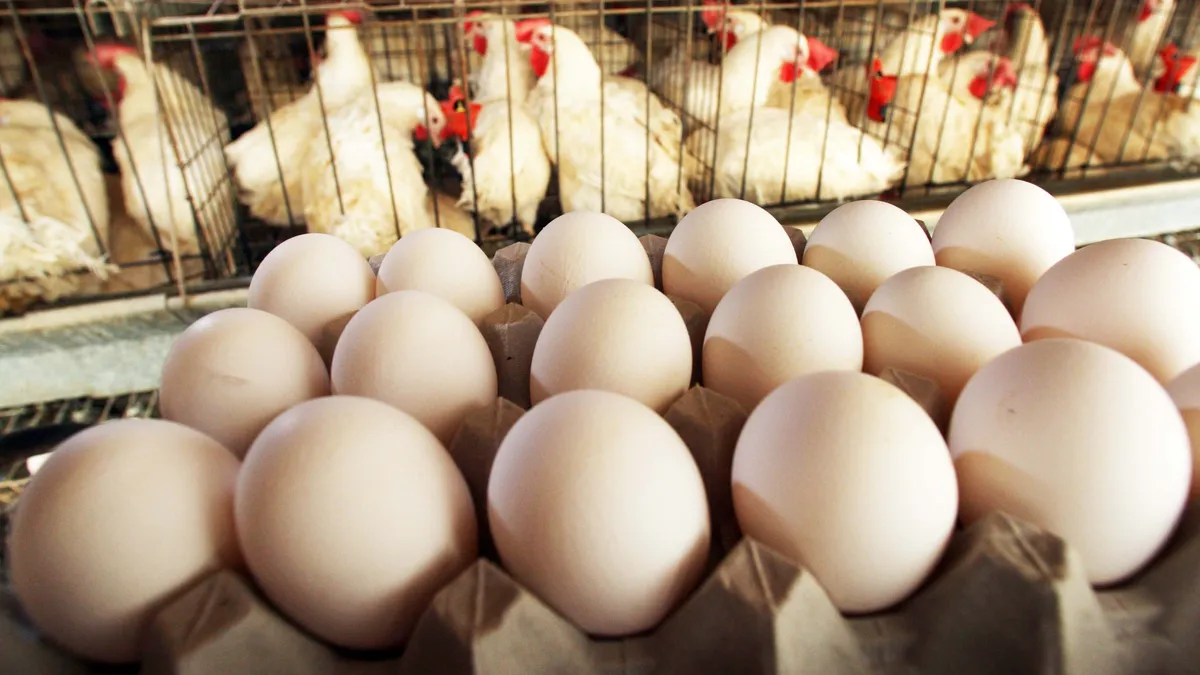
egg trays

The Importance of Egg Trays in Packaging

Introduction to Egg Trays
Egg trays, also known as egg cartons or egg boxes, are containers specifically designed to hold and protect eggs. These trays come in various sizes and configurations, accommodating different egg quantities. The primary purpose of egg trays is to prevent eggs from cracking or breaking during transportation and storage.

Significance of Secure Packaging
The fragility of eggs makes them susceptible to damage, and proper packaging is essential to ensure that they reach consumers intact. Egg trays provide a protective environment, preventing eggs from hitting each other and absorbing shocks during handling. This not only preserves the integrity of the eggs but also enhances consumer satisfaction.

Design and Materials of Egg Trays

Design Features
Egg trays are ingeniously designed to cradle individual eggs securely. The typical design includes cup-like depressions to hold each egg in place, preventing movement that could lead to breakage. The number of depressions in a tray can vary, with common configurations for 6, 12, or 18 eggs per tray. Usually, use egg carton making machine to make egg trays.

Material Selection
Egg trays are manufactured using different materials, each with its own set of characteristics. Common materials include molded pulp, plastic, and foam. Molded pulp, made from recycled paper, is an eco-friendly option, while plastic and foam trays offer durability and cost-effectiveness.

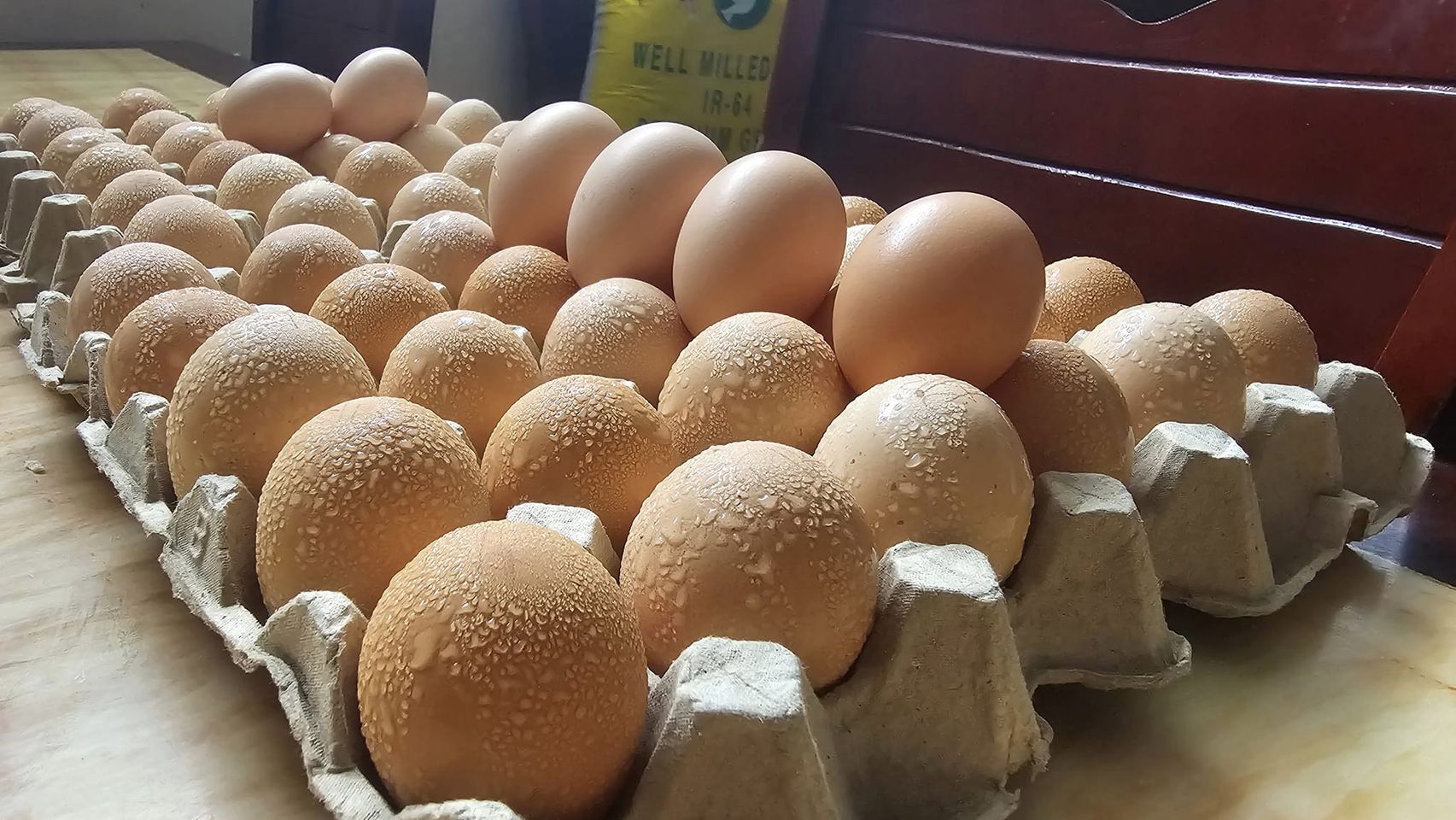
egg tray packaging

The Manufacturing Process

Molded Pulp Manufacturing
Molded pulp egg trays are created through a sustainable and resource-efficient process. Waste paper, often sourced from recycled materials, is pulped and then molded into the desired tray shape. The trays are then dried to achieve the necessary rigidity. This process not only minimizes waste but also contributes to the circular economy.

Plastic and Foam Manufacturing
Plastic and foam egg trays are typically produced through injection molding or thermoforming processes. These methods allow for the mass production of trays with consistent quality. However, concerns about the environmental impact of plastic trays have led to increased interest in more sustainable alternatives.

Environmental Impact of Egg Trays

Sustainable Practices in Packaging
As environmental awareness grows, there is a rising demand for sustainable packaging solutions. Egg trays made from recycled materials or those that are biodegradable contribute to reducing the environmental footprint of packaging. Consumers are increasingly looking for products that align with their values of sustainability.

Recycling and Disposal
Egg trays made from molded pulp are easily recyclable. They can be placed in recycling bins along with other paper products. Plastic and foam trays, on the other hand, pose challenges in terms of recycling and may contribute to pollution if not disposed of properly. Choosing trays with eco-friendly materials is crucial for minimizing environmental impact.

Choosing the Right Egg Tray

Factors to Consider
When selecting egg trays for packaging, several factors should be taken into account. These include the type of eggs being packaged, the transportation conditions, and the desired level of sustainability. Farmers, distributors, and retailers must weigh these factors to make informed decisions about the most suitable egg tray for their specific needs.

Customization Options
Egg trays can be customized to meet specific requirements. Customization may involve adjustments in size, material, or design to accommodate specialty eggs or enhance branding. The ability to tailor egg trays to individual needs adds versatility to their use in various segments of the egg industry. Get the paper pulp molding machine from the suitable vendor to make trays.

Conclusion

In conclusion, egg trays are indispensable in the packaging of eggs, ensuring that they reach consumers in optimal condition. The design, materials, and manufacturing processes contribute to the effectiveness of these trays in protecting fragile eggs. As the focus on sustainability increases, the choice of eco-friendly materials becomes crucial in minimizing the environmental impact of packaging. By understanding the significance of egg trays and making informed choices, stakeholders in the egg industry can contribute to a more sustainable and resilient packaging ecosystem.

In the Fire’s Embrace: Charcoal Production Techniques for Precision Smelting

Metallurgy, the ancient art of transforming raw ores into refined metals, has always been intimately tied to the dance of fire and the embrace of charcoal. In this exploration, we embark on a journey into the heart of precision smelting, where the quality of charcoal plays a pivotal role in shaping the outcome of metallurgical processes. “In the Fire’s Embrace” serves as a metaphor for the symbiotic relationship between the flames of the furnace and the meticulously crafted charcoal, driving the quest for unparalleled precision in metal smelting. The charcoal is got from charcoal production machine.

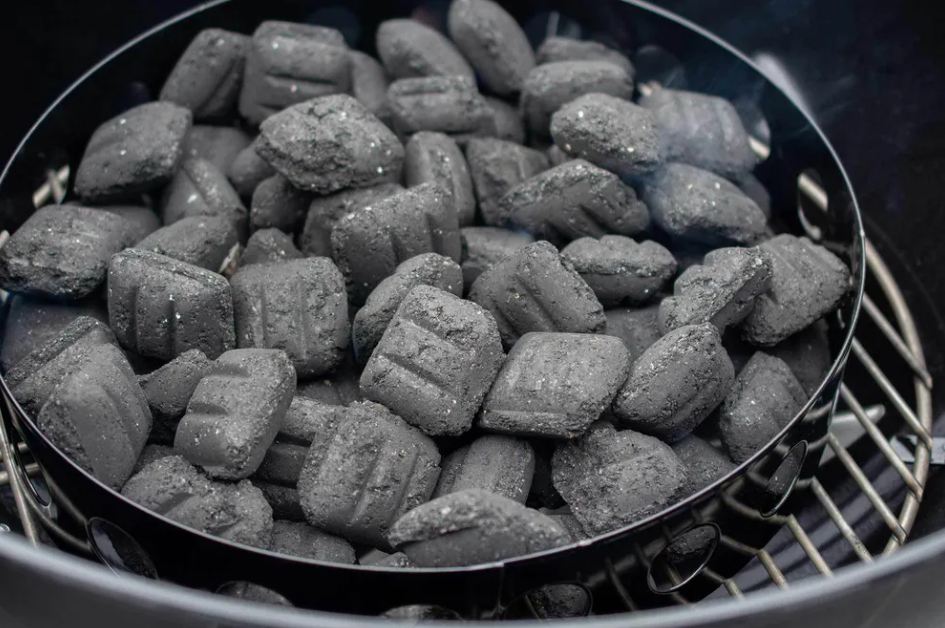
Charcoal Production

I. The Significance of Charcoal in Precision Smelting

Historical Context: Charcoal as a Traditional Fuel for Metal Smelting
Throughout the ages, charcoal has stood as the primary fuel for metal smelting, offering distinct advantages over other alternatives. We delve into the historical roots of this practice and trace the evolution of charcoal’s role in achieving precise metallurgical outcomes.

Characteristics that Make Charcoal a Preferred Fuel
Examining the unique properties of charcoal, such as its high carbon content, low impurities, and consistent burning characteristics. A comparison with alternative fuels sheds light on why charcoal remains the preferred choice in precision smelting.

II. Crafting Quality Charcoal

Overview of Charcoal Production Methods
A comprehensive look at traditional and modern charcoal production techniques, exploring how the craft has evolved over time. From the traditional kiln method to advanced pyrolysis processes, we uncover the intricacies of charcoal production.

Traditional Kiln Method: Process and Impact on Charcoal Quality
Detailed insights into the traditional kiln method, unveiling the influence of temperature, airflow, and wood types on the resulting charcoal. Case studies demonstrate the artistry required to master this age-old technique. View Beston mobile biochar machine online to know its working principle.

Retort Systems: Advantages in Controlling Carbon Content
Exploring the benefits of retort systems in enhancing control over carbon content during the pyrolysis process. Real-world examples showcase how this method contributes to the production of high-quality charcoal.

Innovative Pyrolysis Processes: The Future of Charcoal Production
An exploration of cutting-edge pyrolysis techniques and technologies that hint at the future of charcoal production. From increased efficiency to reduced environmental impact, we examine the promises and potential pitfalls of innovation in this field.

The Role of Temperature, Air Supply, and Wood Type in Charcoal Quality
An in-depth look at the interplay between temperature, air supply, and wood types in shaping the characteristics of charcoal. Producers’ ability to fine-tune these variables is crucial for achieving optimal results.

III. The Evolution of Charcoal Production Techniques

Historical Development of Charcoal Production Methods
Tracing the evolution of charcoal production from ancient methods to the adoption of more advanced techniques. Key milestones and innovations shed light on the journey of this critical component in precision smelting.

Technological Advancements in the 21st Century
Exploring how technological advancements, including automation and precision monitoring, have revolutionized charcoal production. Case studies illustrate successful integration of technology to enhance charcoal quality.

Case Studies on Successful Implementations of Modern Charcoal Production Techniques
Real-world examples of industries or regions where modern charcoal production techniques have significantly improved precision in smelting. These case studies provide tangible evidence of the positive impact of adopting advanced methods.

metal smelting

Metal Smelting

IV. Optimizing Smelting Conditions with High-Quality Charcoal

Understanding the Combustion Process in Precision Smelting
A detailed analysis of the combustion process and its influence on the precision of metal smelting. We explore the role of oxygen, heat, and the combustion environment in achieving desired results.

Temperature Control: The Key to Precision in Metal Smelting
Highlighting the critical importance of temperature control in achieving precision in metal smelting. We delve into advanced technologies and methodologies for maintaining precise temperature levels during smelting operations.

Maintaining Consistent Reaction Rates for Uniform Metal Alloys
Examining how the use of high-quality charcoal contributes to consistent reaction rates, ensuring the uniformity and quality of produced metal alloys. The impact on the overall success of precision smelting is discussed. And the charcoal from wood charcoal manufacturing machine has long-term burning time.

Achieving Precision Through the Controlled Use of High-Quality Charcoal
Summarizing how the combination of quality charcoal and precise control over smelting conditions contributes to overall precision. Case studies demonstrate the successful implementation of such practices in metallurgical operations.

V. Environmental Considerations in Charcoal Production

Sustainable Practices in Charcoal Production
An exploration of sustainable practices in charcoal production, addressing the environmental challenges associated with traditional methods. Initiatives such as reforestation and efficient resource utilization are highlighted.

Mitigating the Environmental Impact of Traditional Methods
Strategies to reduce deforestation and carbon emissions associated with traditional charcoal production are discussed. Initiatives aimed at minimizing the ecological footprint of charcoal production are explored in depth.

Carbon Sequestration and the Potential Benefits of Responsible Charcoal Production
Exploring the concept of carbon sequestration and how responsible charcoal production can contribute to mitigating climate change. Initiatives promoting responsible and environmentally conscious charcoal production are showcased.

VI. Challenges and Innovations

Common Challenges in Charcoal Production for Precision Smelting
Identifying and analyzing common challenges faced by charcoal producers, and the impact of these challenges on the quality and availability of charcoal for precision smelting.

Ongoing Research and Innovations to Address These Challenges
Examining current research efforts aimed at overcoming challenges in charcoal production. Innovative solutions and technologies that show promise in enhancing the efficiency and sustainability of charcoal production are discussed.

Collaborative Efforts in the Industry to Improve Charcoal Production Techniques
Showcasing collaborative initiatives between academia, industry, and government bodies to address challenges and foster advancements in charcoal production. Emphasizing the importance of shared knowledge and expertise in driving improvements.

VII. Future Prospects and Emerging Technologies

Predictions for the Future of Charcoal Production in Precision Smelting
Offering insights into the anticipated trends and developments in charcoal production. Discussing how these trends may shape the future of metallurgy and precision smelting.

Emerging Technologies That Could Revolutionize the Field
Exploring emerging technologies, such as advanced sensors, machine learning, and automation, that have the potential to revolutionize charcoal production. Speculating on how these technologies might contribute to increased precision in smelting.

The Role of Artificial Intelligence and Automation in Optimizing Charcoal Production
Delving into the specific applications of artificial intelligence and automation in streamlining charcoal production. Case studies demonstrate successful integration of AI and automation in optimizing various aspects of the production process.

VIII. Conclusion

Recap of the Significance of “In the Fire’s Embrace”
Summarizing the key themes and insights presented throughout the article. Reflecting on the journey into the heart of precision smelting and the crucial role of charcoal in shaping the future of metallurgy.

Call to Action for Continued Exploration and Improvement
Encouraging continued exploration and improvement in charcoal production for precision smelting. Emphasizing the dynamic nature of this field and the need for ongoing collaboration and innovation to meet the challenges of tomorrow.

This comprehensive article aims to provide a thorough exploration of “In the Fire’s Embrace,” unraveling the complexities of charcoal production techniques and their profound impact on achieving precision in metal smelting.

Reducing Plastic Pollution: Benefits of Pyrolysis

Reducing Plastic Pollution: Benefits of Pyrolysis

The relentless surge in plastic pollution has prompted the world to seek innovative solutions to combat this environmental crisis. One such solution, gaining traction in recent years, is pyrolysis. This cutting-edge technology offers a myriad of benefits in the quest to mitigate plastic pollution, a mounting issue that plagues our planet.

Pyrolysis, derived from the Greek words “pyro” (meaning heat) and “lysis” (meaning break down), is a chemical process that decomposes organic materials at high temperatures in the absence of oxygen. In the context of plastic, it entails the thermal decomposition of plastic waste into valuable products like oil, gas, and char. Here, we delve into the advantages of embracing pyrolysis as a potent tool in the fight against plastic pollution.

Resource Recovery and Energy Production

One of the foremost benefits of plastic pyrolysis machine is resource recovery. Instead of letting plastic waste accumulate in landfills and oceans, this process allows us to extract valuable resources from discarded plastics. By subjecting plastic materials to high temperatures, we can convert them into a variety of products, including:

  • Liquid Fuel: Pyrolysis can yield liquid fuel, often referred to as pyrolysis oil or bio-oil. This oil can serve as a substitute for fossil fuels in various applications.
  • Gaseous Products: The process also generates combustible gases, such as syngas, which can be used for energy production.
  • Solid Residues: The char remaining after pyrolysis can find applications in agriculture as biochar or in construction materials.

This resource recovery not only reduces the environmental burden of plastic waste but also lessens our dependency on non-renewable energy sources, thereby mitigating greenhouse gas emissions.

BLJ-3 Pyrolysis Plant Is Shipped

BLJ-3 Pyrolysis Plant Is Shipped

Mitigation of Environmental Impact

Plastic pollution poses a significant threat to ecosystems, wildlife, and human health. In landfills, plastics can take centuries to decompose, releasing harmful chemicals and microplastics into the environment. Incineration, another common method of plastic disposal, generates air pollutants and greenhouse gases.

Pyrolysis, on the other hand, mitigates these adverse effects. It not only reduces the volume of plastic waste but also prevents the release of toxic substances into the atmosphere. Through proper processing, the emissions from pyrolysis can be controlled and minimized, making it an environmentally friendly option.

Circular Economy

Embracing pyrolysis supports the concept of a circular economy, which emphasizes resource sustainability and waste reduction. Plastic pyrolysis machine for sale exemplifies this by turning waste materials into valuable resources. In a circular economy, products and materials are designed for reusability, repair, and recycling, reducing the need for the continuous extraction of virgin resources.

Plastic Diversion from Landfills and Oceans

By diverting plastic waste from landfills and oceans, pyrolysis helps combat the alarming problem of plastic accumulation in these ecosystems. Instead of adding to the mountains of plastic waste, we can harness its latent energy potential and reduce the burden on our fragile environments.

Versatility and Innovation

Pyrolysis technology is versatile, capable of handling various types of plastic waste, including mixed plastics and contaminated materials. Its adaptability allows for the processing of diverse plastic sources, making it a flexible solution for plastic waste management. Check the pyrolysis plant cost here.

Innovations in pyrolysis continue to evolve, with ongoing research aiming to enhance efficiency and reduce emissions. The development of more sustainable catalysts and reactors is a testament to the industry’s commitment to refining this technology for a greener future.

Economic Viability

The economic benefits of pyrolysis are not to be overlooked. The recovered products, such as pyrolysis oil and syngas, can be sold as valuable commodities, offering a potential revenue stream for businesses and municipalities involved in plastic waste management.

Conclusion

In the battle against plastic pollution, pyrolysis emerges as a powerful ally, offering a range of benefits, from resource recovery and energy production to environmental mitigation and economic viability. This innovative technology represents a sustainable pathway towards a cleaner, greener future. As we continue to refine and expand its applications, pyrolysis is poised to play a pivotal role in reducing plastic pollution, a mission critical for the well-being of our planet. More information on Beston Group here.

A Paradigm Shift for Sustainability: Pyrolysis Plant

In an era marked by pressing environmental concerns and growing demands for sustainable practices, pyrolysis plants have emerged as a beacon of hope. These innovative facilities offer a promising avenue for addressing the world’s waste crisis while simultaneously providing valuable resources and reducing carbon emissions.

Explanation of Pyrolysis

The term ‘pyrolysis’ originates from the Greek words “pyr” (fire) and “lysis” (separation). Pyrolysis, as a process, involves the thermal decomposition of organic materials in the absence of oxygen. This seemingly simple concept holds the key to resolving some of our most pressing environmental challenges.

How Pyrolysis Plants Work

Pyrolysis plant is advanced facilities that leverage the pyrolysis process to transform a wide range of feedstocks into valuable products. The core of these plants is the pyrolysis reactor, where the magic happens. Here’s a step-by-step breakdown of how pyrolysis plants work:

Working Process Flow Chart of BLL-30 Continuous Pyrolysis Plant

  1. Feedstock Preparation: Pyrolysis plants accept diverse feedstocks, including plastics, tires, biomass, and more. These materials are typically cleaned and shredded to ensure uniformity and efficient processing.
  2. Heating: The feedstock is introduced into the pyrolysis reactor, where it is subjected to intense heat in the absence of oxygen. Temperatures can reach up to 900°C (1652°F), initiating the thermal decomposition process.
  3. Volatile Gas Production: As the feedstock heats up, it releases volatile gases and vapors. These gases are collected and can be used as a valuable energy source or as feedstock for chemical processes.
  4. Solid Residue (Char) Formation: The remaining solid residue, known as char or biochar, is a carbon-rich material with multiple applications, including soil enhancement and carbon sequestration.
  5. Liquid Product (Bio-oil) Generation: Pyrolysis also produces a liquid product called bio-oil or pyrolysis oil. This oil can be refined into valuable fuels and chemicals.
  6. Cooling and Condensation: The volatile gases and bio-oil are cooled and condensed for collection and further processing.
  7. Emissions Control: Emission control systems ensure that any harmful byproducts are appropriately treated and minimized.

Environmental Benefits of Pyrolysis Plants

Waste Diversion: Plastic/Tyre pyrolysis plant is champion in waste diversion. They can process a wide range of waste materials that would otherwise end up in landfills or incinerators, reducing the burden on these disposal methods.

Beston Batch Waste Plastic Pyrolysis Plant for Sale

Reduced Carbon Emissions: By converting waste materials into valuable resources and energy, pyrolysis plants play a crucial role in reducing greenhouse gas emissions. This process not only mitigates carbon dioxide emissions but also reduces methane emissions from landfills.

Resource Recovery: The liquid bio-oil, char, and volatile gases produced by pyrolysis have a myriad of applications. Bio-oil can be used as a sustainable replacement for fossil fuels, while char can enhance soil fertility and carbon sequestration. Volatile gases can be used as an energy source for the pyrolysis process itself or for other industrial applications.

Applications of Pyrolysis Plants

The versatility of tyre/plastic pyrolysis plant extends to various industries and sectors:

Use Pyrolysis Technology to make Fuel Oil from Waste Plastic

Waste Management: Pyrolysis offers a sustainable solution for managing plastic waste, tires, and other non-recyclable materials, reducing the strain on landfills and incineration.

Energy Generation: The volatile gases produced during pyrolysis can be used as a source of clean energy, contributing to a more sustainable and carbon-neutral energy mix.

Chemical Industry: Bio-oil derived from pyrolysis can be refined into a range of chemicals, including solvents, resins, and specialty chemicals.

Circular Economy: Plastic/tire/rubber/oil sludge pyrolysis plant supports the principles of a circular economy by turning waste into valuable resources and reducing the need for virgin materials.


The Importance of Charcoal Making Furnace for Sustainable Charcoal Production

Charcoal has been an essential fuel source for centuries, serving various purposes from cooking to industrial applications. In the quest for sustainable and eco-friendly alternatives, the role of a charcoal making furnace becomes increasingly crucial. See the significance of a charcoal kiln for sale in unlocking the potential of sustainable charcoal production, highlighting its benefits and contributions to a greener future.

Beston Batch Charcoal Making Furnace Shipped to Spain

Beston Batch Charcoal Making Furnace Shipped to Spain

Efficient Conversion Process:

A charcoal making furnace plays a pivotal role in efficiently converting biomass materials into charcoal. It utilizes advanced technologies such as pyrolysis or carbonization, which involve heating the biomass in controlled conditions to release volatile components and transform the carbon-rich material into charcoal. The furnace ensures optimized temperature and time parameters for the conversion process, resulting in high-quality charcoal production.

Waste Utilization and Environmental Sustainability:

One of the key reasons why charcoal briquettes machine Philippines are important is their ability to utilize biomass waste effectively. These furnaces can process a wide range of organic materials, including agricultural residues, wood chips, sawdust, and bamboo, which would otherwise contribute to waste accumulation. By converting these materials into valuable charcoal, the furnace promotes waste reduction, environmental sustainability, and a circular economy.

Renewable Energy Source:

Charcoal produced through a reliable and efficient furnace becomes a sustainable and renewable energy source. It serves as a viable alternative to traditional fossil fuels, such as coal and petroleum-based products. As renewable energy gains prominence in the global energy transition, the utilization of charcoal from a well-functioning furnace becomes an important step towards reducing carbon emissions and combating climate change.

Besotn Biochar Furnace with Safe System Installed in Chile

Besotn Biochar Furnace with Safe System Installed in Chile

Versatile Applications:

Charcoal obtained from a well-designed and properly functioning furnace finds versatile applications across various industries. It is widely used as a cooking fuel, providing a clean and efficient heat source for households and commercial kitchens. Additionally, charcoal plays a vital role in metallurgy, water filtration, air purification, and the production of activated carbon. The versatility of charcoal expands its value and contributes to diverse sectors of the economy.

Economic Opportunities:

The establishment and operation of a charcoal making furnace create significant economic opportunities. It fosters job creation, particularly in rural areas where biomass resources are abundant. Additionally, sustainable charcoal production stimulates local economies, supports entrepreneurship, and promotes the development of value chains associated with the charcoal industry. Investing in a reliable furnace can yield long-term financial benefits and contribute to sustainable economic growth. Take a view at this machine: https://bestonmachinery.com/charcoal-making-machine/coffee-bean-husk/.

Environmental Benefits:

Utilizing a charcoal making furnace for sustainable charcoal production brings numerous environmental benefits. The process of converting biomass into charcoal significantly reduces harmful emissions compared to traditional charcoal production methods. Moreover, sustainable charcoal production contributes to the preservation of forests by reducing the reliance on unsustainable wood harvesting for charcoal production. This, in turn, helps mitigate deforestation and preserve biodiversity.

Conclusion:

A charcoal making furnace plays a vital role in unlocking the potential of sustainable charcoal production. From efficient biomass conversion to waste utilization, renewable energy generation, versatile applications, economic opportunities, and environmental benefits, the importance of a well-designed and properly functioning furnace cannot be overstated. Embrace the significance of charcoal making furnaces in promoting sustainable practices, and contribute to a greener future by harnessing the potential of this valuable tool in charcoal production. View several options here: https://bestonmachinery.com/es/.