The energy sector in the Middle East and Central Asia has experienced remarkable growth over the past decade, driven largely by the abundance of oil and gas reserves in countries such as Oman and Kazakhstan. With expanding exploration activities and aging oil fields, the demand for effective and environmentally responsible oilfield waste management solutions is rising rapidly. Among these, oil sludge treatment has become a crucial focus for both environmental compliance and operational efficiency.
Understanding Regional Oilfield Waste Challenges
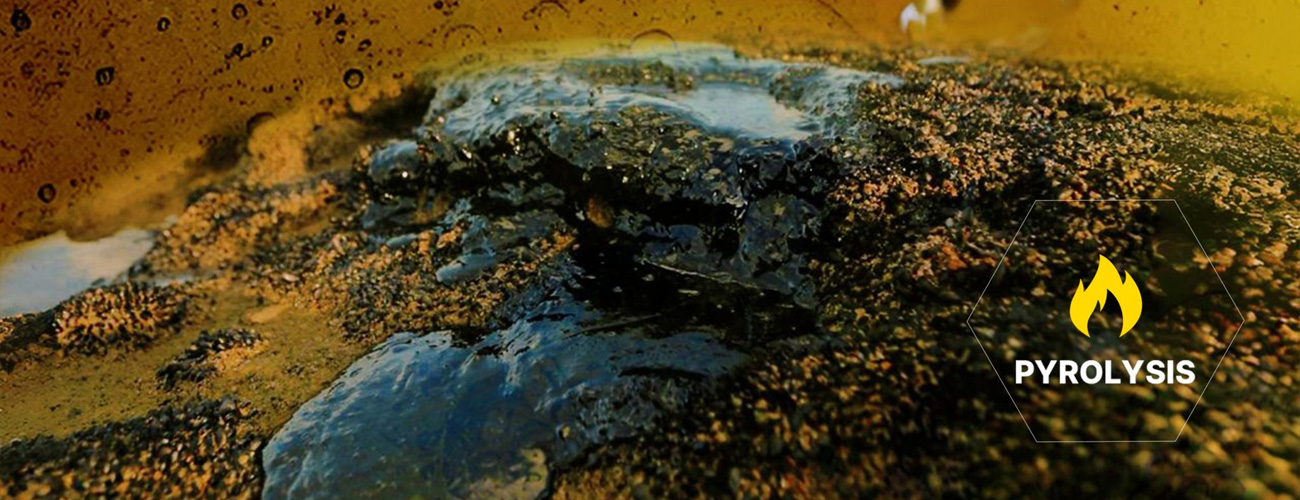
Oil extraction processes generate substantial quantities of oily waste, including oil sludge pyrolysis plant feedstock, which must be managed to avoid environmental hazards. In Oman and Kazakhstan, traditional disposal methods are increasingly constrained by regulatory frameworks that emphasize sustainability and pollution control. Local oil companies are seeking tailored waste treatment solutions that not only comply with local laws but also reduce operational costs. Implementing advanced treatment technologies locally can significantly improve waste management efficiency while promoting environmental stewardship.
Adopting Thermal Desorption Technology
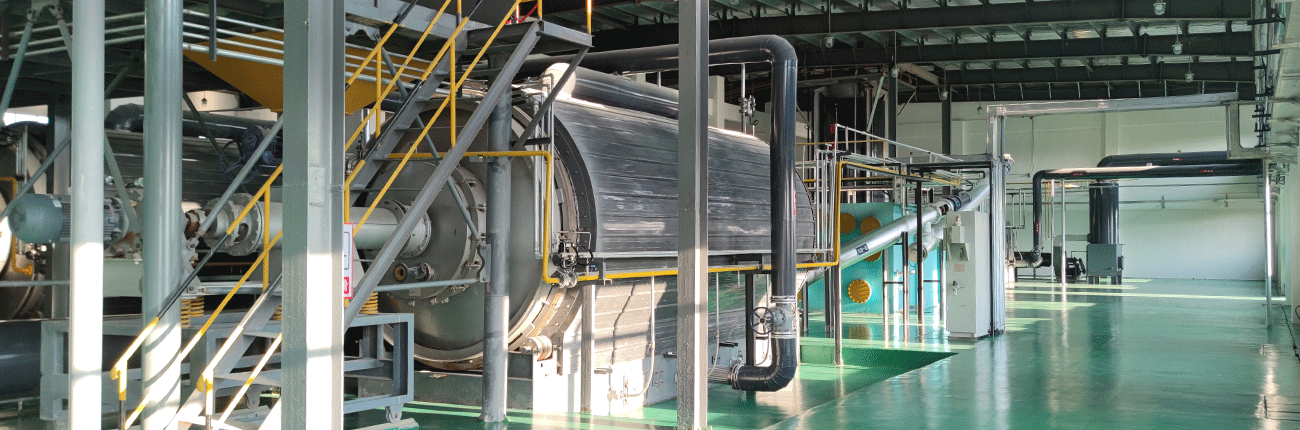
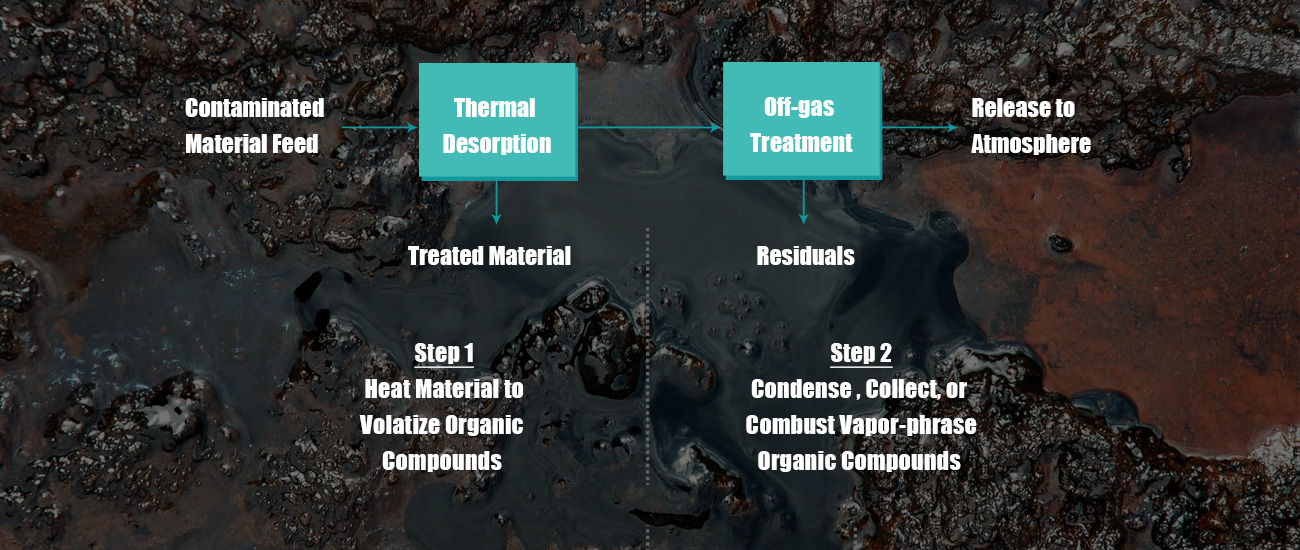
One of the most effective methods for treating oil-contaminated waste is thermal desorption, which separates hydrocarbons from solid waste at high temperatures. The thermal desorption unit offers significant advantages in terms of reducing waste volume and recovering reusable hydrocarbons. For regional operators, investing in onsite thermal desorption systems can minimize transportation costs and mitigate environmental risks associated with long-distance waste shipment. Moreover, integrating this technology with local regulatory practices ensures both compliance and operational sustainability.
Leveraging Localized Pyrolysis Solutions
Localized Beston pyrolysis plant installations are emerging as a strategic approach for Middle Eastern and Central Asian oilfields. By situating pyrolysis facilities close to major oil production sites, companies can process oil sludge efficiently while converting waste into valuable byproducts such as fuel oil and carbon black. This not only reduces environmental impact but also creates economic value from materials that would otherwise be discarded. Countries like Oman and Kazakhstan are increasingly recognizing the benefits of localized operations for both environmental compliance and resource optimization.
Economic and Environmental Benefits of Onsite Treatment
Deploying onsite oil sludge treatment facilities provides multiple benefits beyond regulatory compliance. Economically, it reduces logistics and transportation costs while creating potential revenue streams from recovered materials. Environmentally, these systems limit the release of hazardous substances into the soil and water. With increasing scrutiny on oilfield practices, regional operators are motivated to adopt technologies that offer a measurable impact on sustainability. The combination of thermal desorption and pyrolysis technologies ensures that waste management aligns with both economic goals and ecological responsibilities.
Conclusion: Strategic Localized Operations
The Middle East and Central Asia present significant market opportunities for advanced oil sludge treatment solutions. By leveraging localized thermal desorption unit installations, companies can achieve sustainable waste management while generating additional value from waste byproducts. Localizing operations in countries like Oman and Kazakhstan not only enhances compliance with environmental regulations but also strengthens operational efficiency and profitability. As the region’s oil industry continues to evolve, strategic investments in these technologies will be key to balancing economic growth with environmental stewardship. More insights in Beston Group Co., Ltd.