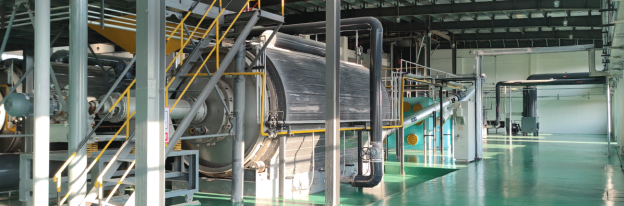
In contemporary industrial operations, the efficient conversion of waste streams into valuable byproducts is no longer optional—it is imperative. Pyrolysis plants have emerged as a critical technology for transforming complex waste materials into energy-dense fuels and reusable resources. By optimizing operational parameters, facilities can significantly reduce residual waste while maximizing output from feedstock streams such as tires, oil sludge, and plastic residues.
The Role of Pyrolysis Reactor Design
A central component of any high-performance pyrolysis plant is the pyrolysis reactor. The reactor’s design dictates not only the thermal uniformity and reaction kinetics but also the yield of end-products. Advanced pyrolysis reactors are engineered to sustain precise temperature profiles, ensuring complete thermal decomposition and minimizing the formation of secondary contaminants. In large-scale operations, the integration of auxiliary systems, such as thermal desorption equipment, enhances efficiency by pre-treating feedstock to remove moisture and volatile impurities. This step not only improves the consistency of pyrolysis reactions but also reduces energy consumption per ton of processed material.
Economic Feasibility and Plant Investment
The economic feasibility of pyrolysis operations is closely tied to plant efficiency. A competitive pyrolysis plant price does not merely reflect capital investment—it encompasses operational throughput, energy utilization, and maintenance demands. Lowering energy input while increasing product yield creates a direct pathway to improved return on investment. Sophisticated control systems allow operators to adjust feed rates, residence times, and reactor temperatures dynamically, ensuring optimal conversion of heterogeneous waste streams. Such precision is especially important for oil sludge pyrolysis plants for sale, which often process viscous, chemically complex residues. Here, minor deviations in temperature or retention time can significantly impact oil recovery rates.
Resource Recovery Beyond Liquid Fuels
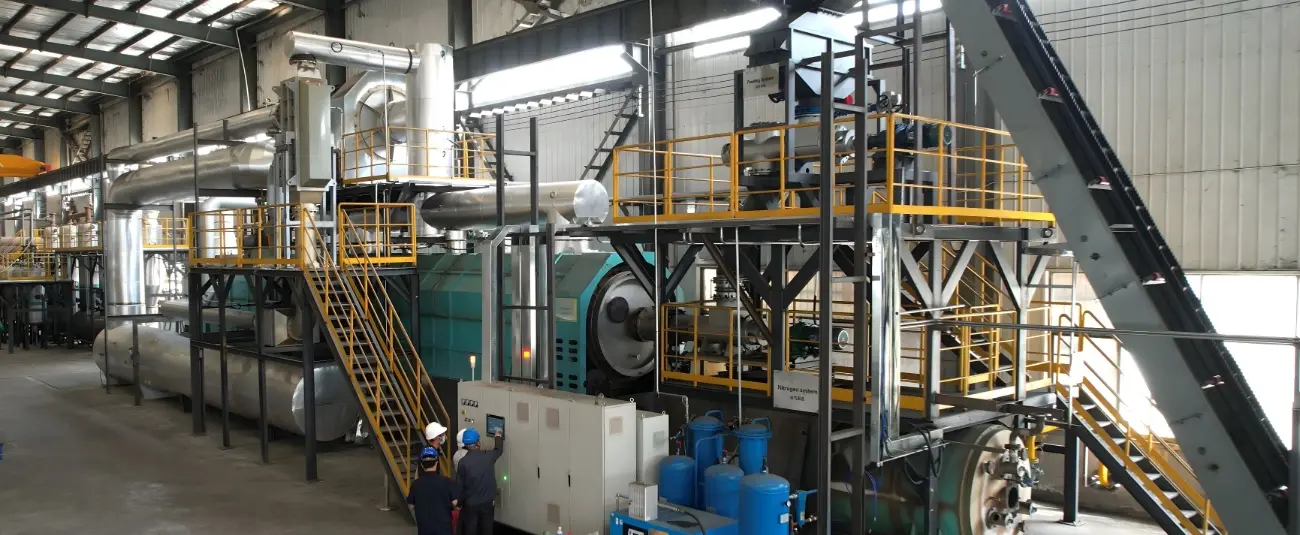
Resource recovery extends beyond liquid fuel. Modern oil sludge pyrolysis plant for sale capture solid carbonaceous residues, which can be repurposed in steel production, activated carbon manufacturing, or soil amendment applications. Gaseous byproducts, often rich in combustible hydrocarbons, are recycled within the system to sustain thermal energy requirements, reducing external fuel dependency. This integrated approach exemplifies how efficient pyrolysis operations convert otherwise problematic waste into multiple revenue-generating streams.
Maintenance and Operational Reliability
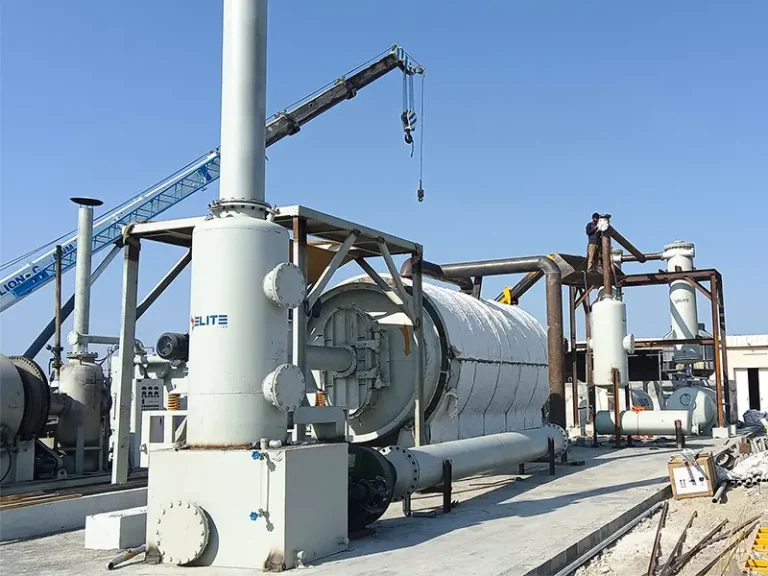
Operational efficiency also hinges on maintenance and safety protocols. Regular inspection of the pyrolysis reactor, along with the calibration of thermal desorption equipment, ensures consistent performance and prolongs equipment lifespan. Plant operators increasingly adopt predictive maintenance strategies, leveraging sensor data to anticipate component wear and prevent unplanned downtime. This proactive stance not only safeguards capital investment but also enhances overall plant throughput.
Conclusion: Achieving Sustainable Efficiency
In conclusion, maximizing the efficiency of pyrolysis plants requires a holistic approach that combines advanced reactor design, pre-treatment strategies, and meticulous operational control. By effectively integrating thermal desorption equipment, optimizing feedstock conversion, and maintaining rigorous system oversight, operators can achieve substantial reductions in waste while enhancing resource recovery. Strategic investment in these areas ensures that a pyrolysis plant price reflects not only the hardware but the potential for sustainable, high-yield operations across diverse industrial applications.