Biochar has moved from a niche soil amendment to a serious commodity, supported by carbon removal markets, agricultural demand and tighter rules on open burning of crop residues, wood waste and forestry offcuts. Yet much of the world’s charcoal and biochar is still made in earth mounds, brick kilns or batch retorts. These methods are cheap to build, but they carry heavy hidden costs. Each batch must be loaded by hand, sealed, heated, cooled for many hours and unloaded, so output is limited and quality swings from one run to the next. Heat is lost every time the chamber cools, fuel consumption stays high, and a large crew is needed to keep production moving. Open or poorly sealed kilns also release smoke, tar vapor and methane, which attracts complaints from neighbors and enforcement action from regulators. Meanwhile, investors and engineering contractors want a predictable, high-throughput route that converts large volumes of biomass into certified, consistent biochar around the clock. That demand is pushing the industry toward continuous carbonization, where feeding, heating, discharging and gas handling run as one automated loop. This article compares a continuous biochar machine with traditional earth kilns and batch carbonization furnaces across throughput, energy use, emissions, product quality, labor and return on investment, so decision makers can judge which route fits their project.
Process Principle and Throughput
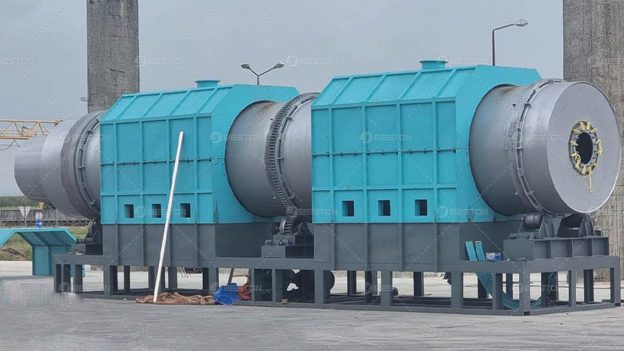
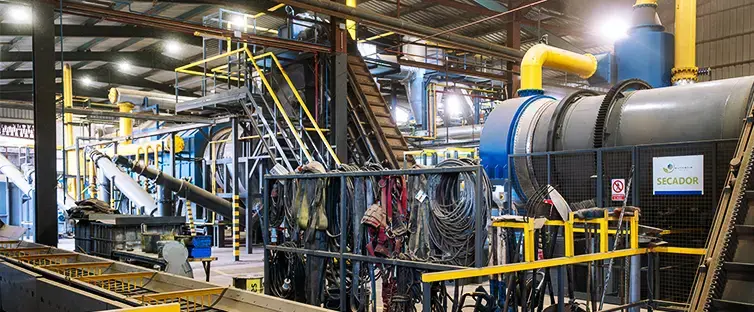
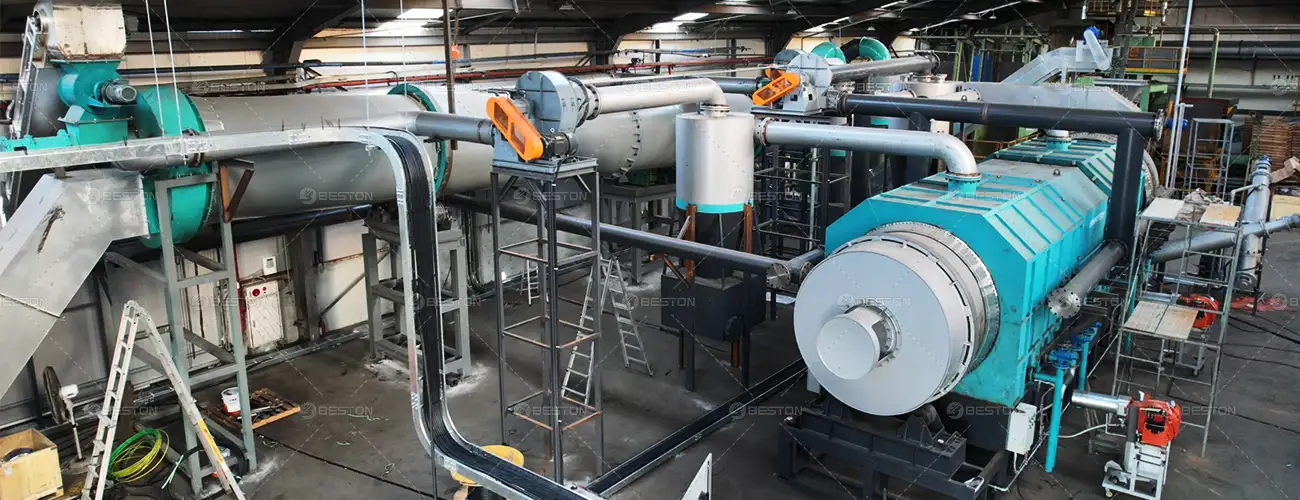
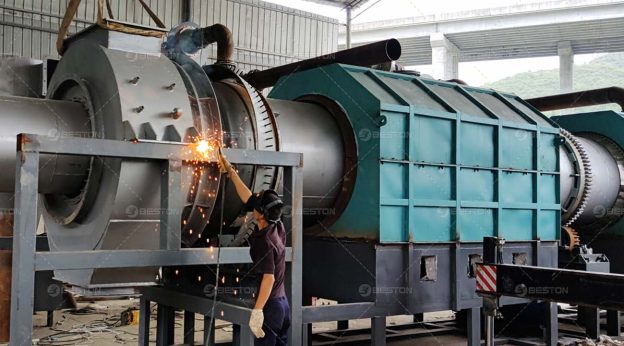
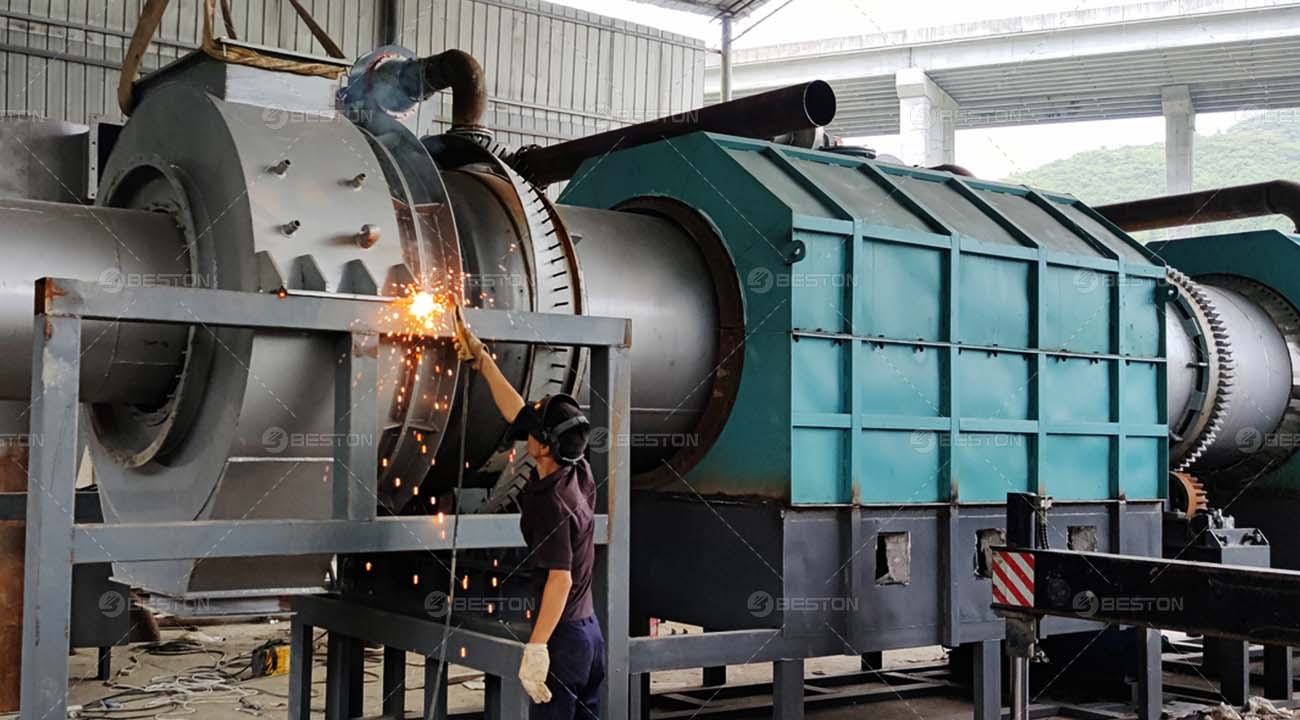
An earth kiln is essentially a partly sealed pile that burns a portion of the feedstock to carbonize the rest. A batch furnace improves on this with a closed retort, but it still works in cycles. A continuous biochar machine works differently: shredded and dried biomass enters through a sealed feeder, travels through a rotating reactor at a controlled speed, and leaves as cooled biochar without the chamber ever being opened. Because there is no cool-down between loads, daily capacity is typically several times higher than a batch unit of similar footprint, and a single line can handle multiple tons per hour.
Energy Efficiency and Heat Recovery
Batch operation wastes energy by design, since the reactor body must be heated from a lower temperature at the start of every cycle. Earth kilns are worse, because the heat that carbonizes the wood comes from burning part of the charge itself, so yield per ton of feedstock is low. Modern biochar pyrolysis equipment captures the combustible syngas released during carbonization and returns it to the burners. Once the process is stable, external fuel is needed mainly for start-up, and surplus heat can dry incoming feedstock or supply steam.
Emissions and Environmental Compliance
This is the area where the gap is widest. Earth kilns release smoke, carbon monoxide, methane and condensable tars straight into the air, and most cannot be permitted in regulated markets. Batch furnaces reduce the problem but still vent at every door opening and every cooling stage. A continuous system keeps the reactor sealed and slightly below atmospheric pressure, burns the pyrolysis gas in a controlled combustion chamber and treats flue gas through dust removal and, where needed, wet scrubbing. Online monitoring documents the results, which is increasingly required for permits and carbon credit verification.
Product Quality and Carbon Market Value
Buyers of agricultural, filtration and construction-grade biochar care about fixed carbon content, surface area, ash level and batch consistency. Earth kilns produce an uneven mix of charred, burnt and raw material. Batch furnaces improve this, but temperature profiles still vary between cycles. In a continuous reactor, residence time and temperature are set and held, so every kilogram receives nearly the same treatment. Stable quality makes it easier to obtain certification and to sell into premium markets or carbon removal programs, where traceable data is as valuable as the product.
Feedstock Flexibility and Scale
Traditional kilns work best with dense wood pieces and struggle with fine or wet material. A modern biomass pyrolysis machine can process wood chips, sawdust, rice husk, palm shell, coconut shell and agricultural straw after drying and size reduction. That flexibility lets investors secure several feedstock streams and reduces supply risk when one source becomes seasonal or expensive.
Labor, Safety and Automation
Manual loading and unloading of hot carbon exposes workers to heat, dust and fire risk. Continuous systems automate feeding and discharge, cool the char in a sealed conveyor and use interlocks and alarms to stop the line if pressure or temperature drifts. One or two operators can supervise a line that would need a full crew in a batch yard.
Cost Structure and Return on Investment
A kiln costs little to build but produces little, and its operating expenses in labor, fuel and compliance risk climb with scale. A continuous line demands higher capital, yet the cost per ton of biochar falls with throughput, energy recovery and reduced manpower. Revenue can come from biochar sales, carbon credits, heat and gas utilization, so payback periods are usually shorter for projects running more than a few thousand hours per year.
Selection Guidance
Small trials, remote villages and very low budgets may still justify simple kilns or compact batch furnaces. For industrial projects, however, the comparison favors continuous carbonization on throughput, emissions, quality and labor. Before investing, request references from operating sites, verify capacity with your own feedstock, and ask for emission test data rather than brochure specifications.